Does Car Insurance Cover Repairs? Accident Damage and Mechanical Failures
The essential answer
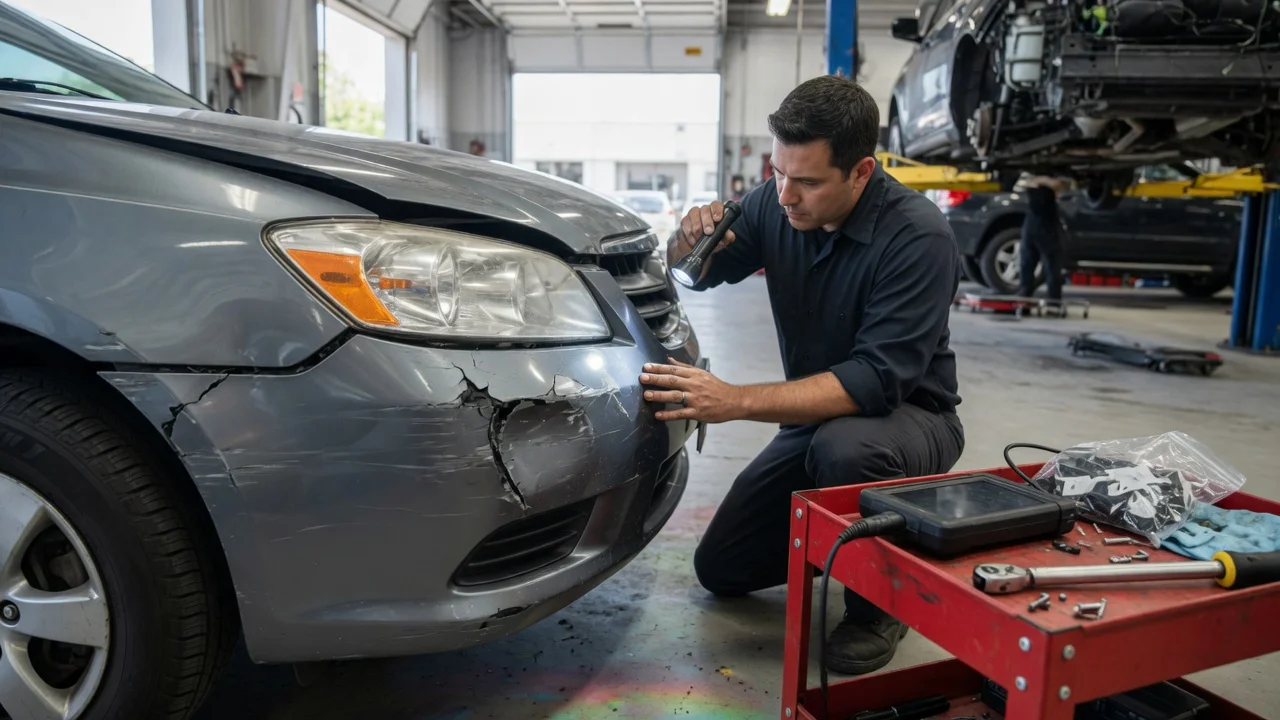
Car insurance may cover repairs when the damage results from a covered event such as a collision, fire, theft, vandalism, falling object, or certain weather events, and only if the policy includes the applicable optional coverage. It generally does not cover mechanical breakdowns, normal wear and tear, maintenance, or failures caused by age or lack of upkeep. Liability-only policies do not pay for damage to your own vehicle.
How insurance approaches repairs
Insurance policies pay for sudden and accidental physical damage, not for deterioration that happens over time. A repair is more likely to be covered when a specific covered incident directly causes the damage. The insurer will also consider whether the repair is reasonable and related to the covered loss; unrelated preexisting damage or overdue maintenance is not covered simply because the vehicle is already in the shop.
Coverage types that can pay for repairs
Several optional first-party coverages can pay for damage to your own vehicle. They apply only if they are listed on your policy at the time of the incident.
Collision coverage pays to repair or replace your vehicle when it is damaged by hitting another vehicle or object, or by a rollover, regardless of fault. Comprehensive coverage pays for non-collision damage such as theft, vandalism, fire, falling objects, hail, flood, or contact with an animal. Uninsured or underinsured motorist property damage coverage can pay for repairs when a driver without enough insurance damages your vehicle, where this protection is available and selected. Rental reimbursement covers the cost of a rental car while a covered vehicle is being repaired, but it does not fund the repair itself.
Liability insurance and your own vehicle
Liability coverage is usually required and pays for damage you cause to someone else's vehicle or property, along with injuries in certain circumstances. It does not pay for repairs to your own car. If another driver is at fault, their liability coverage is the primary route for repairing your vehicle.
Mechanical failures are generally excluded
A worn brake component, failed water pump, slipping transmission, blown head gasket, or similar mechanical breakdown is not a covered insurance event. Insurance is not a maintenance plan or warranty. These failures are considered the owner's responsibility because they typically develop from age, use, or lack of service rather than a sudden accidental incident.
Normal wear and tear, including brake pads, tires, belts, and fluids; Mechanical or electrical breakdown from age, defects, or insufficient maintenance; Rust and corrosion; Damage that worsens because repairs were postponed; Preventive maintenance and scheduled servicing
When mechanical damage may still be covered
There are narrow exceptions where a mechanical issue follows a covered event. If a collision damages the radiator and the engine overheats as a direct result, the consequential engine damage may be included in the covered claim. If a covered flood enters the engine and causes internal damage, comprehensive coverage may pay for that repair. A failed part that is only damaged because it was directly involved in a covered collision can also qualify. In each case, the insurer must be able to connect the mechanical failure to the covered cause.
What mechanical breakdown insurance is
Mechanical breakdown insurance, sometimes called MBI, is a separate optional product covering failures of major components after the factory warranty expires. It is not standard car insurance. Availability, eligibility, coverage limits, deductibles, and exclusions vary by provider and vehicle. An extended warranty or vehicle service contract also serves a similar purpose but is a different product from standard auto insurance.
Evidence gaps
Specific coverage terms differ by insurer, policy form, selected options, and state or country. Exact coverage limits, exclusions, deductibles, and claim requirements are not supplied here. A definitive answer for any particular repair requires reading the relevant policy declarations and terms.
Working conclusions
Insurance can pay for repairs when sudden accidental damage is tied to a covered event and the necessary coverage is in force. It does not replace a maintenance budget, a warranty, or a mechanical protection plan. If the vehicle failed without an accident, fire, theft, vandalism, storm, or other covered event, the owner usually pays for the repair.