Differential Oil vs Transmission Oil: Key Differences and Which One Your Vehicle Needs
The Short Answer
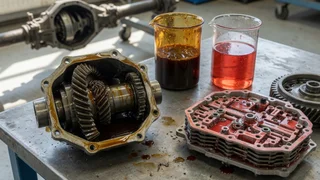
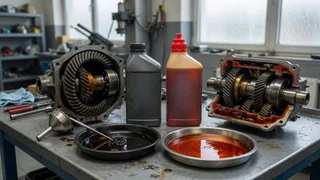
Differential oil and transmission oil are different fluids built for different jobs, and in most vehicles you should not use one in place of the other. Differential oil is usually a thick gear oil with heavy extreme-pressure additives that protect hypoid gears under high sliding loads. Transmission oil is a broader category. In automatic transmissions it is automatic transmission fluid (ATF), a much thinner fluid that works as a hydraulic medium and has carefully tuned friction properties for clutches. In manual transmissions it may be a gear oil, an ATF or a dedicated manual transmission fluid, depending on the design.
The important qualification is that some vehicles blur the line. Many front-wheel-drive cars use a transaxle, where the transmission and differential share a housing and sometimes a single fluid. In those cases the correct answer is whatever the manufacturer specifies for that unit, not a general rule. Always confirm the fluid type in the owner's manual or service information for your exact model year, engine and drivetrain.
What Each Fluid Does
Differential oil
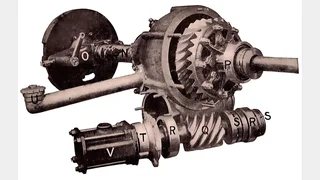
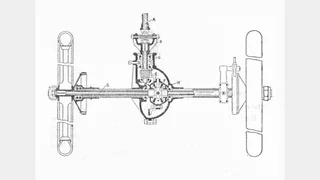
The differential splits engine torque between the left and right wheels and lets them turn at different speeds in corners. Most rear and many front differentials use hypoid gears, where the pinion meets the ring gear off-center. This geometry is strong and quiet, but it creates intense sliding contact between gear teeth. Differential oil must keep a protective film in place under that pressure, so it relies on extreme-pressure (EP) additives, typically sulfur-phosphorus compounds that react with metal surfaces to prevent scuffing and welding of the teeth.
Limited-slip differentials add another requirement. Clutch-type limited-slip units need a friction modifier to prevent chatter during turns. Some gear oils include it already; others require a separate additive. The vehicle specification will say which approach applies.
Automatic transmission fluid
An automatic transmission uses fluid for far more than lubrication. ATF transmits power through the torque converter, carries hydraulic pressure to engage clutch packs and bands, cools internal components and lubricates gears and bearings. Its friction characteristics are tuned so clutches engage smoothly and hold without slipping. Because these needs vary by transmission design, manufacturers publish their own ATF specifications, and using the wrong one can cause harsh or slipping shifts.
Continuously variable transmissions (CVTs) and many dual-clutch transmissions (DCTs) use their own dedicated fluids. These are not interchangeable with conventional ATF or with each other unless the manufacturer says so.
Manual transmission fluid
Manual gearboxes use mostly helical gears and synchronizers, which match gear speeds before engagement. Synchronizer rings are often made of brass or bronze and depend on a specific level of friction to work properly. Depending on the design, the specified fluid may be a GL-4 gear oil, a dedicated manual transmission fluid, an ATF or, less commonly, a gear oil rated for both transmission and axle use. There is no single answer for all manual gearboxes.
Side-by-Side Comparison
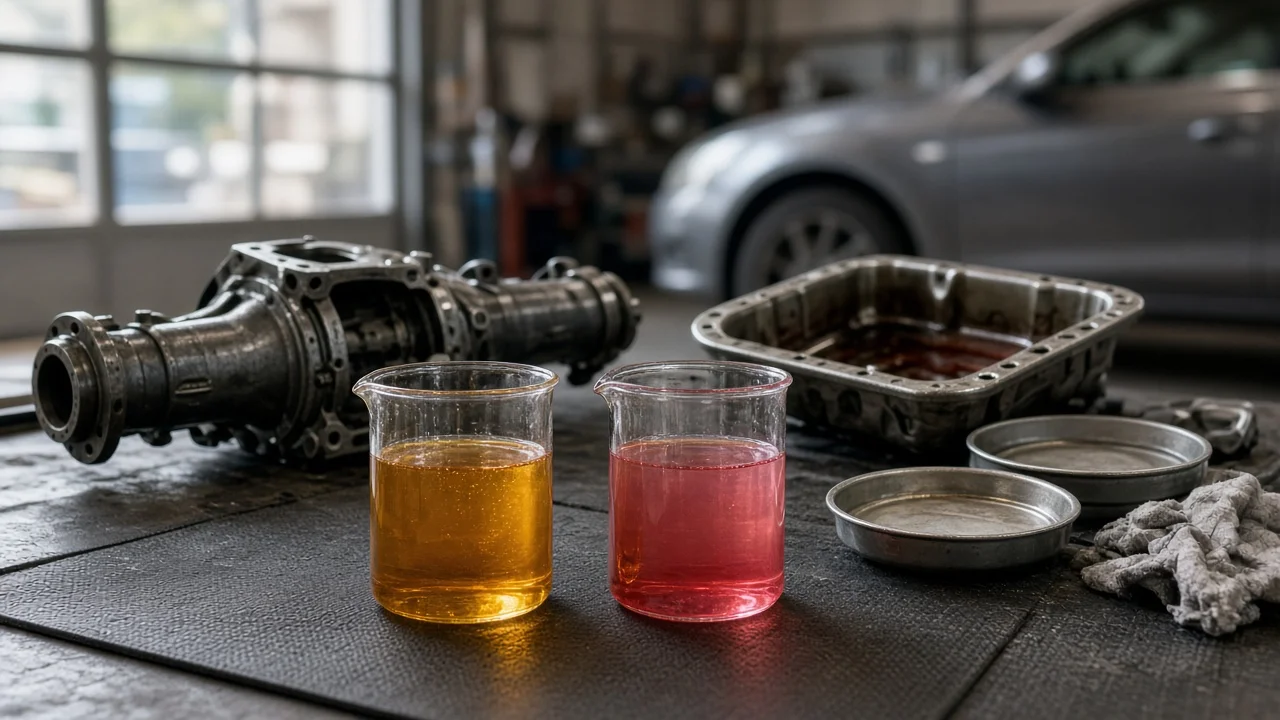
Criterion | Differential oil | Automatic transmission fluid | Manual transmission fluid; Main job | Protect hypoid gears under heavy sliding load | Hydraulic power transfer, clutch control, cooling and lubrication | Lubricate gears and bearings while allowing synchros to work; Typical viscosity | Thick; common grades include 75W-90, 80W-90 and 75W-140 | Thin, closer to a light hydraulic oil | Varies widely, from ATF-thin to gear-oil thickness; Common performance rating | API GL-5 | Manufacturer-specific ATF specifications | API GL-4, API MT-1 or manufacturer-specific specs; Extreme-pressure additives | High level | Low, not designed for hypoid loads | Moderate, balanced against synchro friction needs; Friction behavior | Friction modifier added only for limited-slip units | Precisely tuned for clutch engagement | Tuned for synchronizer grip; Typical color and smell | Often amber with a strong sulfur odor | Often dyed red | Varies by product
The viscosity grades in the table are common examples, not recommendations. Gear oil and engine oil use different SAE viscosity scales, so a gear oil labeled 75W-90 is not as thick as the numbers might suggest compared with engine oil. Compare gear oils only with other gear oils.
Why You Shouldn't Swap Them
Gear oil in an automatic transmission: The fluid is far too thick for the valve body and hydraulic circuits, and its friction properties are wrong for the clutches. Expect poor or delayed shifting, slipping and possible internal damage. ATF in a hypoid differential: ATF lacks the extreme-pressure protection hypoid gears need. Gear teeth can scuff, wear quickly and become noisy, especially under load or towing. GL-5 gear oil in a manual transmission specified for GL-4: The higher EP additive level in some GL-5 oils can reduce synchro friction, leading to notchy or grinding shifts. Some GL-5 formulations have also been linked to corrosion of yellow-metal parts. Some products are rated for both GL-4 and GL-5, but use them only if they meet the manufacturer's specification. GL-4 oil in a differential specified for GL-5: GL-4 has less EP protection than a hypoid differential typically requires, which raises the risk of gear wear.
When One Fluid Serves Both
In many front-wheel-drive vehicles, the differential is built into the transaxle. In manual transaxles, one fluid commonly lubricates both the gearbox and the differential. Some automatic transaxles share ATF between the transmission and differential, while others keep the differential in a separate compartment with its own gear oil and its own fill and drain plugs. All-wheel-drive and four-wheel-drive vehicles may add a transfer case and front and rear differentials, and each unit can need a different fluid.
Because layouts differ between models and even between trims of the same model, check which units your vehicle has and what each one requires before buying fluid.
How to Choose the Right Fluid
Identify the component: front differential, rear differential, transaxle, automatic transmission, manual transmission, CVT, DCT or transfer case. Find the specification in the owner's manual or service information for your model year, engine and drivetrain. Look for the performance rating or manufacturer specification, not just the viscosity grade. Note any special requirements, such as a limited-slip friction modifier or a dedicated CVT or DCT fluid. Match the product label to the specification. Universal or multi-vehicle fluids can be suitable when they explicitly list your required specification, but a vague claim of compatibility is not enough. If the vehicle tows, carries heavy loads or sees track or off-road use, check whether the manufacturer lists a severe-service fluid or a shorter change interval.
Service and Ownership Tips
Change intervals vary widely by manufacturer and driving conditions, so follow the schedule for your vehicle rather than a general rule. Differentials and manual gearboxes are often filled through a fill plug until fluid reaches the bottom of the opening. When servicing, loosen the fill plug before the drain plug so you are not left with an empty unit you cannot refill. Automatic transmissions are more involved: many modern units have no dipstick and require a specific fill procedure at a set fluid temperature, which is a reason some owners leave that job to a shop.
If you suspect the wrong fluid was used, look for symptoms such as whining or grinding from the axle, harsh or slipping automatic shifts, or notchy manual shifting. Draining and refilling with the correct fluid promptly reduces the chance of lasting damage.
Bottom Line
Choose by component, not by fluid name. Hypoid differentials generally need a thick GL-5 gear oil, with a friction modifier if they are limited-slip. Automatic transmissions need the specific ATF, CVT fluid or DCT fluid their maker calls for. Manual transmissions and transaxles vary, so follow the published specification. When the manual names a specification, a fluid that meets it is the right choice. One that only looks similar is not.