Car Differential Fluid: What Oil to Use
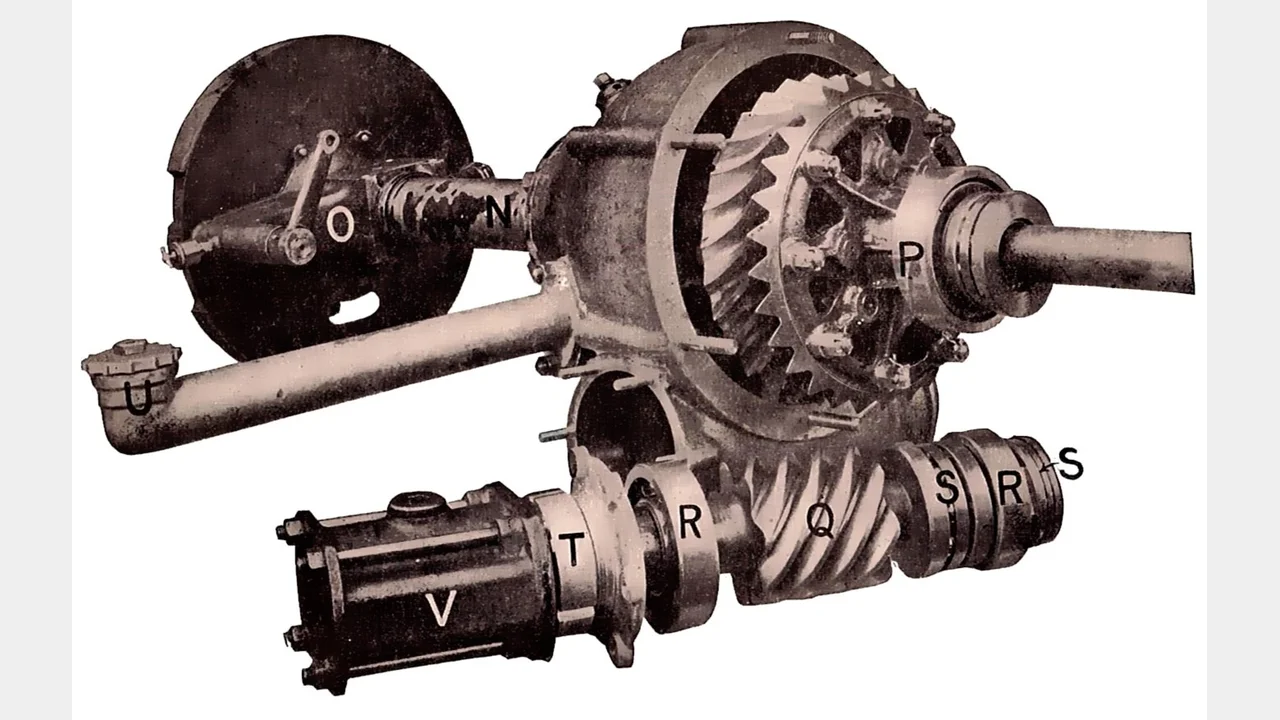
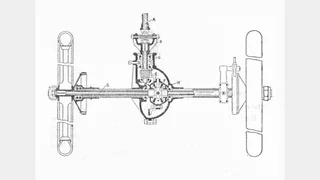
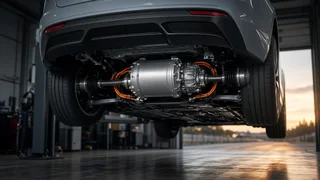
Choosing the right car differential fluid is less about grabbing any bottle marked gear oil and more about matching the lubricant to the axle design, climate, and how the vehicle is used. The rear differential houses a set of gears that lets the drive wheels rotate at different speeds through corners while still receiving torque. Differential fluid in a car cushions those meshing surfaces, controls heat, and suspends wear particles. Understanding what car differential oil does helps an owner avoid noise, drag, and premature wear while selecting a product that meets the manufacturer’s intended protection level.
Essential answer
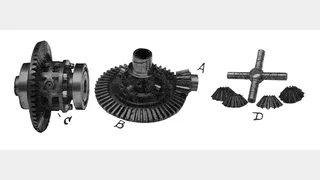
Car differential fluid is a heavy-duty gear lubricant formulated for the hypoid, spiral bevel, or straight-cut gears inside an axle center section. Unlike engine oil, it is not chosen primarily for detergency or combustion byproducts. What is differential fluid in a car ultimately depends on the axle; most passenger vehicles use a GL-5 rated gear oil, while some limited-slip differentials require an additive package or a specific friction-modified fluid to prevent chatter.
There is no universal fill for every car rear differential fluid application. The owner should confirm the lubricant specification, viscosity grade, and limited-slip requirement from the vehicle’s axle tag or owner documentation. A fluid labeled simply as gear oil may still be the wrong chemistry for a particular differential. Equipment identification is the first step, because the correct oil preserves the ring and pinion’s sliding and rolling contact under heavy load.
How it works
The ring and pinion do not simply roll together; they slide across each other under extreme pressure where the tooth faces meet. Differential oil forms a sacrificial boundary film that prevents the metal surfaces from welding or scuffing during that motion. What does differential fluid do in a car? It also carries heat away from the tooth contact area, cushions impact during abrupt throttle changes, and keeps small metallic particles suspended for removal at the next drain.
Because the pinion sits below the axle centerline in many designs, the lubricant must climb the rotating ring gear and be slung through the pinion bearings and side bearings. The fluid path depends on splash and channeling rather than a pump. That is why the level check matters: too little oil starves the upper pinion bearing, while too much can cause aeration and churning losses. Viscosity must remain stable across the axle’s normal operating temperature range.
Strengths, limitations and suitability
A properly selected differential oil supports quiet operation, reduces friction, and helps the axle tolerate high torque, towing, or sustained highway loads. Synthetic formulas generally flow better in cold weather and resist thermal breakdown during hard use, which makes them appealing for trucks and performance cars. The right additive package can also address limited-slip engagement smoothly, avoiding the grab-and-release feeling that causes a rear axle to shudder during tight parking-lot turns.
The compromise is that no single fluid optimizes every axle. A standard open differential and a clutch-type limited-slip can have different friction requirements, and a fluid that works well in a mild climate may feel thick when the vehicle starts in subfreezing temperatures. What is car differential fluid suitable for depends on the owner’s driving pattern: highway commuters, occasional towers, and tracked vehicles may reasonably choose different viscosity grades or additive strategies within the approved range.
Procedure
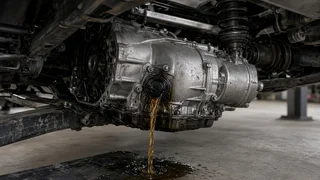
Start by identifying the axle type and the manufacturer approval. With the vehicle level and the fill plug accessible, remove the fill plug before draining so the lubricant can vent and the job can be finished if the fill plug is stuck. After draining the old car differential oil, clean any metal fuzz from a magnetic drain plug if one is fitted. Refill through the fill hole until the fluid just reaches the bottom edge, which is the common level check for many passenger axles.
A short drive followed by a recheck detects seepage and reveals whether the level settled after the fluid worked into the cavities. The service interval supplied by the vehicle maker should guide future changes, especially after sustained towing, water crossing, or track use. No amount of premium lubricant substitutes for an incorrect fill quantity, so note how much came out and compare it with the expected volume for that axle.
Diagnosing a problem
A humming or whining noise that changes with road speed, not with gear selection, often points toward the differential rather than the transmission. The noise may worsen when the fluid level is low or the lubricant has thinned and can no longer support the ring and pinion’s tooth contact quietly. Metallic flakes or a silver sheen in drained oil confirm accelerated wear, but they do not by themselves identify whether a bearing, gear set, or limited-slip clutch is failing.
A differential that clunks when shifting from drive to reverse, or a rear axle that chatters while turning, suggests the fluid type or level may be wrong for the unit. If draining reveals large chips, a burned odor, or glitter spread throughout the oil, the axle needs inspection before fresh fluid is installed. Manufacturer-dependent limited-slip chatter can also respond to a change in friction modifier, but that adjustment should be made only after the axle’s required fluid chemistry is confirmed.