Diagnose vehicle ignition system problems

When an engine cranks but will not start, runs roughly, or stalls under load, the fault often lies within the ignition system. Diagnosing ignition system problems means separating battery, starter circuit, cranking speed, and fuel delivery issues from failures that prevent a strong spark at the right time. A methodical approach helps you avoid replacing parts on guesswork. The process begins with the observable symptom: a no-start with a fast crank sounds different from a slow crank caused by low battery state of charge, and each clue points toward a different diagnostic path.
Essential answer
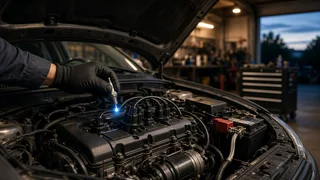
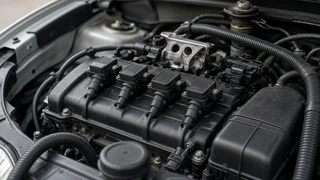
Ignition system problems generally affect the creation, timing, or delivery of the high-voltage spark that ignites the air-fuel mixture in each cylinder. The system includes the ignition switch, coil or coil packs, spark plugs, wires or boots, and the sensors and modules that control spark timing. A fault anywhere in that chain can produce a crank-no-start condition, misfires, rough idle, hesitation, or reduced power. The essential first step is to determine whether the engine has spark, whether it arrives at the correct moment, and whether the cranking event is strong enough to support starting.
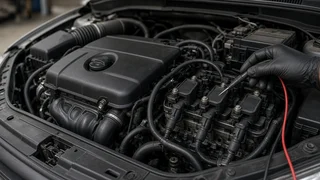
Diagnostic checks should begin with the basics rather than assuming the most expensive component has failed. Verify battery state of charge and cranking speed because a weak battery can mimic ignition complaints by turning the engine too slowly. Then observe whether the starter circuit engages normally and whether the ignition switch provides consistent voltage in the run and start positions. Fuel delivery problems can produce similar symptoms, so proving that spark is absent, weak, or mistimed before condemning ignition parts is the key to an accurate diagnosis.
Diagnosing a problem
A misfire that appears only under load often points to spark leaking through a cracked coil housing, a damaged plug wire boot, or a worn spark plug with an excessive electrode gap. In moist conditions, the same leak may create a visible arc or a rough idle that fades as engine heat dries the insulation. When a single cylinder misfires steadily, inspecting that plug and its coil or wire can reveal whether the problem is ignition-related or caused by compression or fuel delivery in that cylinder. A stored fault code identifies the affected cylinder but does not prove which part failed.
An intermittent stall or no-start that returns after cooling can indicate a failing crankshaft position sensor, a heat-sensitive ignition module, or a coil that opens internally as it warms. If the engine loses spark entirely during the event, checking for injector pulse and a consistent crank signal helps distinguish an ignition module or sensor problem from a loss of fuel delivery. Any sign of burning, melting, or a strong fuel odor near ignition components warrants stopping use and obtaining professional diagnosis before further cranking creates additional risk.