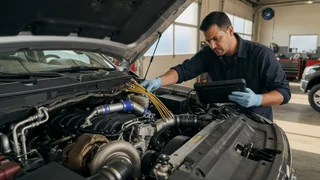
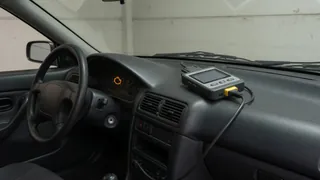
Diagnose diesel check engine light
A diesel engine check engine light means the onboard diagnostic system has stored a fault that affects emissions, fueling, or engine control. Unlike a gasoline misfire, the warning often points to fuel pressure, glow plug, exhaust aftertreatment, or injector behavior. Reading the code is only the first step; interpreting live data and physical symptoms separates a simple connector issue from a developing fuel system fault. This guide explains the essential answer and the most useful diagnostic path for a diesel owner.
Essential answer
The diesel check engine light is a request for diagnosis, not an automatic statement that the engine is about to fail. The light illuminates when a monitored value falls outside the expected range, such as rail pressure, exhaust gas temperature, or turbocharger boost. Some faults are emissions-related and may allow continued driving, while others indicate low fuel pressure or injector feedback that can damage the high-pressure pump if ignored.
Diesel diagnosis differs from gasoline work because the combustion process depends on compression heat and precise injector timing. A code for fuel pressure may involve the lift pump, fuel filter restriction, fuel pressure regulator, or the high-pressure pump itself. For that reason, the essential answer is conditional: retrieve the stored diagnostic trouble code, observe when the light comes on, and compare live data before changing any component.
Diagnosing a problem
Begin with the trouble code and the conditions that set it. A low fuel pressure code that appears under load often behaves differently from one stored during cold start. Observing rail pressure while driving, checking for air in the clear fuel lines, and noting whether the engine misfires can narrow the search. A fuel filter that is restricted may reduce flow only at high demand, while a failing injector can leak pressure after shutdown.
Treat the fault code as evidence to investigate, not proof that a specific part has failed. Manufacturer-dependent diesel codes sometimes share generic labels but require vehicle-specific confirmation. If the engine loses power, knocks, or produces heavy smoke along with the light, stop driving and arrange professional diagnosis. Do not open high-pressure fuel lines for a leak check while the engine runs; the pressure can be high enough to cause injury.