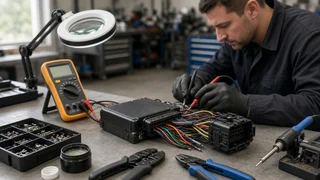
Diagnose ECM-related check engine light
A check engine light traced to the engine control module can mean several different things, from a stored trouble code to a communication fault or an internal processor problem. Because the ECM is the central computer managing fuel, ignition, and emissions, misreading the warning often leads to unnecessary parts replacement. The sensible first step is to treat the light and any related code as evidence, not a verdict. Understanding what the module does and how technicians read its data helps you ask better questions and avoid costly guesswork when the light appears.
Essential answer
An ECM-related check engine light does not automatically mean the control module has failed. The warning can appear because the module stored a diagnostic trouble code from a sensor, actuator, wiring issue, or even a temporary operating condition. The ECM constantly monitors engine performance and emissions systems, and when a value falls outside an expected range, it records a code and requests the light. Sometimes the module itself is the source, but it is more often the messenger reporting a problem elsewhere.
A useful first view of the issue requires reading the stored trouble code and supporting data. The code identifies the circuit or system the ECM found abnormal, while freeze-frame data shows engine speed, coolant temperature, fuel trim, and load at the moment the fault was recorded. Live data then lets a technician compare current sensor behavior against service information. This combination usually reveals whether the problem is an input to the module, an output the module controls, or an internal module fault.
Diagnosing a problem
Start by noting the symptom conditions that accompany the light. A code that appears only when the engine is cold can point toward a temperature-sensitive circuit, while a misfire that begins under heavy load may suggest an ignition or fuel delivery issue. Comparing those observations with the stored freeze-frame data narrows the possible causes. If the light is flashing or the engine is running roughly enough to affect safe driving, stop driving and arrange professional diagnosis before continued operation risks catalytic converter or engine damage.
A fault code is evidence to investigate, not proof that a particular part has failed. The same code can result from a chafed wire, a poor connector, a weak ground, a failed sensor, or a genuine ECM problem. Since many codes are manufacturer-dependent, vehicle-specific service information matters before drawing conclusions. A confirmation test, such as checking circuit voltage, load-testing a ground, or observing live data while moving a harness, helps distinguish a bad module from a bad input. Internal module faults should usually be suspected only after external circuits and sensors have been ruled out.