Deutz Glow Plug Relay Selection: Fitment, Features and Checks
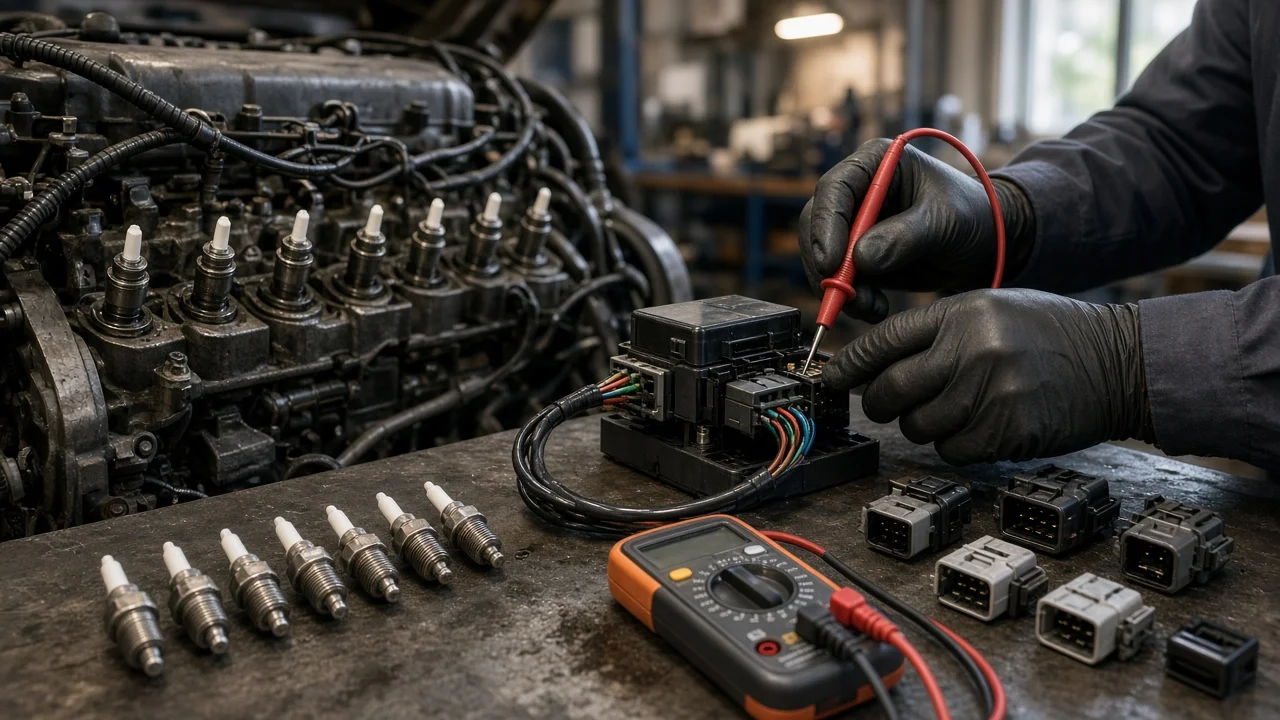
A glow plug relay is a small part, but on a Deutz diesel it decides whether the glow plugs get full current long enough for a clean cold start. Choosing a replacement means matching the engine, the electrical system and the preheat control logic. A relay that only looks similar is not enough. This guide covers how to confirm the job, check fitment, weigh features and build a practical shortlist.
Define the job the product must do
Deutz engines power a wide range of equipment, from tractors and compact loaders to generators, pumps and industrial machines. On most of these, the glow plug relay switches heavy current from the battery to the glow plugs when the key switch, a timer module or the engine controller calls for preheat. Before shopping, decide why you need one. You may be replacing a unit that has clearly failed, carrying a spare for equipment that works far from a parts counter, or replacing a relay that was earlier repaired with mismatched parts. Each situation changes how closely you need to match the original.
Make sure the relay really is the fault. Hard cold starts, long cranking and white smoke can come from a failed relay. They can also come from burned-out glow plugs, weak batteries, corroded cables or a poor ground. Listen for the relay click at key-on. Then use a multimeter to confirm that battery voltage reaches the glow plug feed during preheat, and check the resistance of each plug. If the electrical side checks out, look at fuel delivery. A plugged fuel filter, air drawn in through a loose suction fitting, a weak lift fuel pump or a sticking injector can all produce very similar symptoms.
When you inspect the fuel side, a visual leak check for wet fittings, damp hoses and fuel odor is safe and useful. Do not loosen injection lines on a running or recently run engine to look for air or test flow. On common-rail Deutz engines the fuel pressure is high enough to cause serious injury, and pressure can remain after shutdown. Follow the engine manual for bleeding and depressurizing procedures. Fuel additives may help with specific fuel-quality issues, but they are not a proven repair for a failed relay, a worn pump or a faulty injector.
Check compatibility
Start with the engine type plate, which lists the engine model and serial number. Then read any part number printed on the old relay. Equipment manufacturers often sell Deutz-supplied parts under their own numbers, so the machine's parts book can be as useful as a Deutz reference. Also confirm the engine configuration. Cylinder count affects total glow load, and Deutz engines do not all preheat the same way. Some use a glow plug in each cylinder, while others use an intake air heater or a flame-start system. A relay sized for one method is not automatically suitable for another.
Next, match the electrical specifications, starting with system voltage. Deutz-powered equipment runs on both 12-volt and 24-volt systems, and a coil built for one will not work properly on the other. The contact rating must cover the combined current draw of all glow plugs or the heater element, including the higher draw at the start of preheat when the plugs are cold. Compare terminal count and function: battery input, load output, trigger and ground, plus a temperature sensor input or a dash lamp output on some units. Finally, check the connector style and mounting footprint. Confirm whether the original is a plain switching relay or a timed glow controller. Fitting a plain relay in place of a timed unit can leave the plugs energized too long or cut them off too early.
Features that affect the choice
Timed control is the biggest functional difference between relays. Some relays simply follow the key switch. Glow control units set preheat time themselves, sometimes adjusting it to coolant or ambient temperature. Many also add an afterglow period after the engine starts, which smooths the idle and reduces smoke. If your engine relies on that logic, the replacement must provide it, or the machine will start differently. Sealing matters on equipment exposed to washdowns, mud and vibration, and a sturdy mounting tab helps prevent cracked housings. Solid-state units have no contacts to wear out, while electromechanical relays are simple and familiar to diagnose. Either type can work if the ratings match.
Separate evidence from marketing. Labels such as heavy duty, OEM quality or universal fit say little on their own. Useful evidence includes a printed voltage and current rating, a terminal diagram, a cross-reference to specific Deutz or equipment part numbers, and a seller who states return terms for electrical parts. A genuine Deutz relay removes guesswork about the specification. A quality aftermarket unit can be a sound choice when its ratings, terminal layout and timing behavior match the original. Be wary of listings that leave those details out.
Limitations and ownership costs
Installation is usually straightforward, but work methodically. Disconnect the battery negative first, photograph or label every wire, and clean any corroded terminals before fitting the new unit. Tighten the high-current studs firmly without overtightening them. Check the fuse or fusible link in the glow circuit, and protect connectors from moisture where appropriate. After installation, use a meter to confirm that voltage reaches the glow plugs during preheat and that the relay releases when it should.
A new relay has clear limits. It cannot restore burned-out glow plugs, revive a weak battery or make up for low compression. It also cannot correct fuel delivery problems such as low fuel pressure, a clogged filter, air ingress or a faulty injector. Ownership costs often go beyond the relay itself and can include glow plugs, cable or ground repairs, batteries and labor. If relays keep failing, look for the root cause. Common culprits are a shorted glow plug, a high-resistance ground, a sticking key switch or repeated long preheat cycles that overheat the contacts.
Build a practical shortlist
Narrow your options by checking every candidate against the same list, rather than chasing the lowest price or the loudest claims. Confirm the engine model, serial number and preheat method. Then match the Deutz or equipment part number, or a documented cross-reference. Check system voltage, current rating against total glow load, terminal count and function, connector style and mounting. Decide whether you need a plain relay or a timed controller with temperature input and afterglow, and verify that the candidate behaves the same way.
Then weigh the practical factors. Consider environmental sealing for your operating conditions and whether a spare makes sense for a machine that works remotely. Look for clear return terms on electrical parts and enough listing detail to verify fit. Keep two or three options that pass every check, and choose among them based on documentation and support. Before ordering, finish the basic diagnosis so your money goes to the part that actually failed.