Stancor Glow Plug Relay Selection: Fitment, Ratings and Features
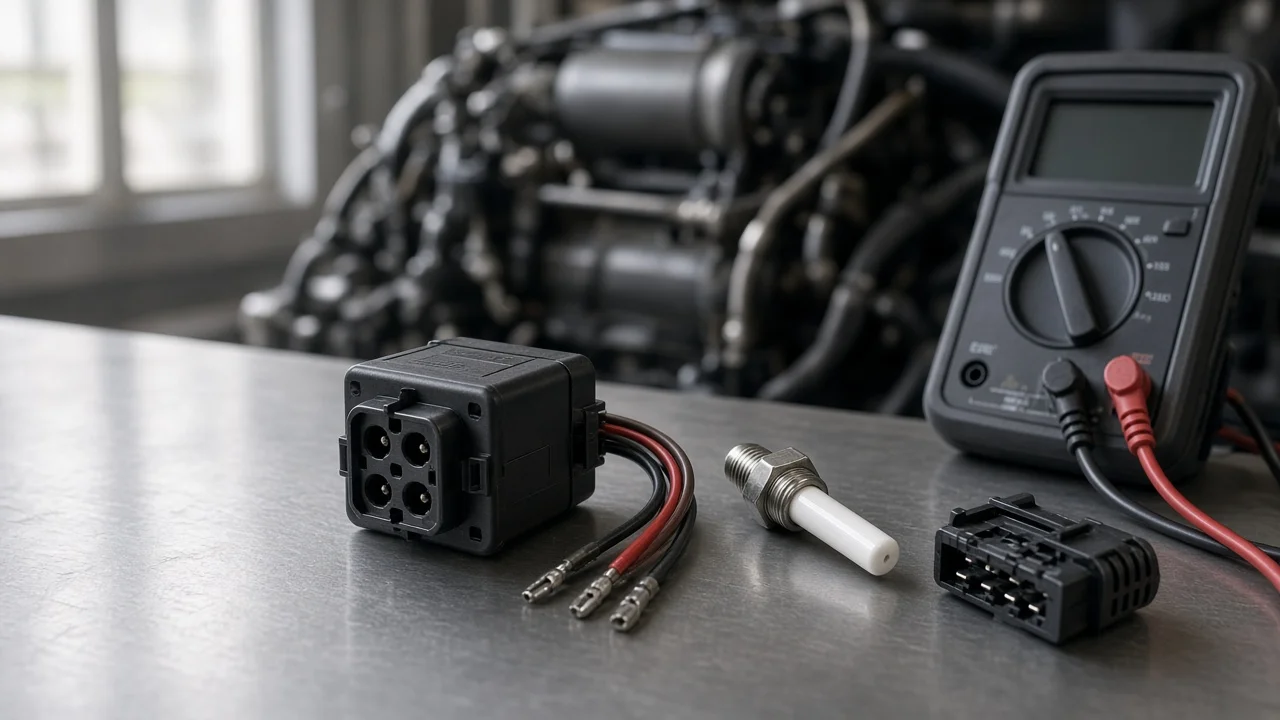
A glow plug relay is a heavy switching device. It carries the high current a diesel's glow plugs draw during cold starts. Stancor is a familiar name in heavy-duty relays and solenoids, and a Stancor glow plug relay is a common replacement choice for trucks, tractors and equipment. The brand matters less than matching the electrical job: coil voltage, current capacity, duty cycle and terminal layout. This guide covers those checks so the relay you order fits the vehicle and works.
Define the job the relay must do
The glow plug relay is a high-current switch. When the glow controller or timer energizes its small coil, heavy contacts close and connect battery power to the glow plugs. The plugs then heat the combustion chambers so diesel fuel ignites on compression in cold weather. The plugs draw a large combined current, so the relay must handle far more load than a typical accessory relay, often for repeated cycles on a cold morning. Start by noting what the vehicle actually uses. Look for a standalone relay or solenoid-style switch, a separate timer or controller, and a wait-to-start lamp. Also check whether the system keeps the plugs powered for a period after the engine starts.
Next, confirm the relay is the likely fault. On a cold diesel, hard starting, white smoke and rough idle can also come from the fuel side. Common causes are a restricted fuel filter, a weak lift fuel pump, air entering the supply lines, or a worn injector. A quick electrical check tells the two apart. With the key in the glow position, a healthy relay usually clicks, and the glow plug feed should show close to battery voltage for the timed period. If voltage never reaches the feed, suspect the relay or its control circuit. Do not crack injector or high-pressure lines to look for fuel delivery. Common-rail systems hold extremely high fuel pressure that can inject fuel through skin. Winter fuel additives may help prevent gelling, but they do not repair a failed relay or a starting fault.
Check compatibility
Coil voltage comes first. Most pickups and light trucks run a 12-volt system, while many heavy trucks and some equipment use 24 volts. A 12-volt coil on a 24-volt system will overheat, and a 24-volt coil on 12 volts may not pull in reliably. Next, check how the coil is grounded. An insulated coil has two small terminals and gets its ground through a wire. A grounded coil completes its circuit through the case or mounting bracket. The wrong type can leave the relay dead or create a current path the controller was never designed for.
Match the physical interface too: the number and thread size of the large studs, the style of the small control terminals, the bracket footprint and the mounting orientation. The current rating should equal or exceed the original, and the duty rating matters. Many glow relays are intermittent-duty parts meant for short, repeated cycles. A system with long afterglow, or a controller that holds the relay on, may need a unit rated for longer engagement. The most dependable cross-reference starts with the original part number. Then check the engine configuration, cylinder count and model year, because glow control often changed within the same engine family. Some later diesels replaced the simple relay with an electronic glow plug control module, and a basic relay cannot substitute for that module.
Features that affect the choice
The useful evidence is the printed specifications: coil voltage, continuous and intermittent current ratings, duty cycle, stud sizes and terminal arrangement. Labels such as heavy duty or premium mean little without those numbers. Sealing is a real difference on vehicles exposed to road salt, washdown or off-road water, because moisture inside the housing corrodes contacts and terminals. Boots or covers for the main studs reduce the chance of a wrench or loose cable shorting a live terminal to ground.
If the original relay had a coil suppression diode or resistor, check whether the replacement includes one and whether it is polarity sensitive. A bare coil releases a voltage spike that can harm electronic controllers, and a diode wired backward can short the control circuit. Contact material and internal construction are hard to verify from a listing, so give them less weight than stated ratings and an exact fitment match. Also confirm the circuit count. Some engines split the plugs across two relays or use a dual-circuit unit, and a single-circuit relay will not cover both banks.
Limitations and ownership costs
A new relay cannot fix burned-out glow plugs, a corroded bus bar, damaged harness wiring, a failed controller or a fuel delivery problem. While you are working in the area, test plug resistance or current draw and inspect the feed wiring. A short in one plug or in the harness may be what destroyed the old relay. Also check whether the old unit failed with its contacts stuck closed. Stuck contacts keep the plugs powered continuously, which can damage them and drain the battery.
Installation is simple, but the main battery cable to the relay is often unfused, so take care. Disconnect the negative battery cable first and note the wire positions. Clean the ring terminals, then tighten the stud nuts firmly without overtorquing, because studs can spin or crack the housing. Budget for small extras such as stud boots, terminal cleaner and possibly new ring terminals. Ongoing maintenance is mostly a pre-winter check for corrosion and loose connections. While the hood is open, do a visual leak check of the fuel fittings and filter housing, but leave pressurized fuel lines closed.
Build a practical shortlist
Before ordering, gather the original part number, engine configuration and model year. Then compare every candidate on the same points: coil voltage, insulated or grounded coil, current and duty ratings at least equal to the original, stud count and thread size, control terminal style, bracket pattern, suppression diode and polarity, sealing, and whether stud covers are included. Put any candidate with missing ratings at the bottom of the list until the seller can supply them.
Treat catalog fitment notes as a starting point and confirm them against the part in hand. The old relay's wiring, terminal positions and bracket are the most reliable template. If the vehicle uses an electronic glow control module rather than a relay, build the shortlist around that module instead. Whether you choose a Stancor relay or an equivalent, matched specifications give a better chance of reliable cold starts than price or label claims.