Cummins 855 Engine Oil Capacity: What Determines the Right Fill
The short answer
The Cummins 855 does not have one universal oil capacity. The 855-cubic-inch (14-liter) inline six was built for decades and installed in heavy trucks, construction and mining equipment, marine vessels, generator sets and other industrial machinery. Across those uses, Cummins and equipment builders fitted different oil pans, filter arrangements and dipsticks, and each combination holds a different amount of oil. The correct capacity for a given engine depends on how that particular engine is configured.
This guide does not give a specific quart, gallon or liter figure. No verified capacity data for particular 855 configurations was available for it, and a single number quoted without its configuration could lead to underfilling or overfilling. The sections below explain what changes the capacity and how to find the documented figure for your engine.
What the 855 name covers
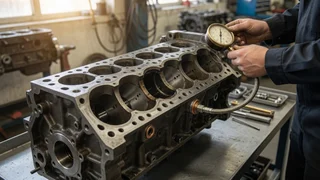
"855" refers to the engine's displacement in cubic inches, not to a single model. The family includes several generations and variants, commonly known by names such as Small Cam, Big Cam and NTC. These were offered in many ratings and installations. Because the name spans so many builds, any capacity figure must be tied to a specific variant and installation to be meaningful.
Factors that change oil capacity
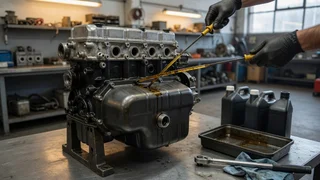
Oil pan design: pans differ in depth and in sump position (front, center or rear), and the position is often chosen to clear a chassis or frame. Pan volume is the biggest single variable. Full-flow filter count and size: some installations use one full-flow filter and others use two, and each filter holds oil. Bypass filtration: many heavy-duty 855 installations add a bypass filter, which increases the total system volume. Application: truck, marine, industrial and generator installations frequently use different pans and plumbing. Auxiliary components: remote filter mounts, oil coolers and extended lines add to the total volume compared with the pan alone. Dipstick and tube: the dipstick is calibrated to a specific pan. A mismatched dipstick will show an incorrect level even if the amount of oil is correct.
Sump capacity versus total system capacity
Published figures may describe two different things. Sump or pan capacity is the oil the pan holds between the low and high marks or at the full mark. Total system capacity also includes oil in the filters, cooler, galleries and lines. When you compare figures from different sources, check which one is being quoted. Treating a total system figure as a refill amount, or the reverse, is a common source of fill errors at oil changes.
How to find the documented figure for your engine
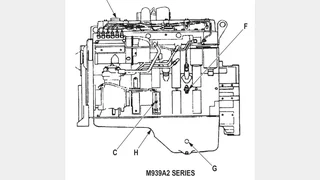
Locate the engine dataplate and record the engine serial number (ESN) and any configuration or CPL (control parts list) number. Give those numbers to a Cummins dealer or authorized service location. They can identify the original oil pan, filters and dipstick for that build. Check the operation and maintenance manual for the engine or the equipment it is installed in. The equipment manufacturer's manual may reflect pan and filter choices specific to that machine. If the engine has been rebuilt, repowered or moved to different equipment, confirm that the pan and dipstick still match. Parts changed during service can make the original figure inaccurate.
Using the dipstick as the final check
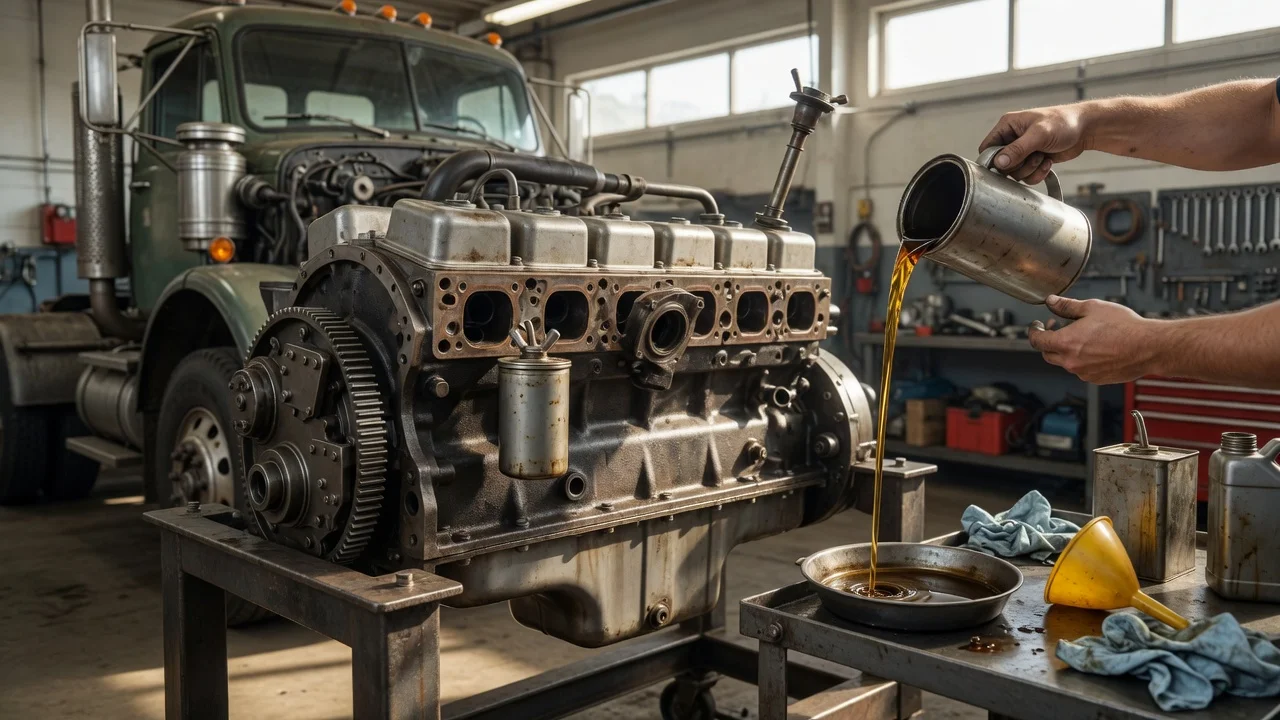
Even with a documented capacity, the dipstick, provided it matches the installed pan, is the practical authority on the level. Standard practice is to add oil gradually rather than pouring in a quoted volume all at once. Pre-filling new filters where the procedure allows, running the engine briefly, shutting it down and waiting for oil to drain back before checking the level all help produce an accurate reading. Top up to the full mark rather than past it, because overfilling can cause aeration and foaming.
Oil type
Oil grade and specification are a separate question from capacity. The right choice depends on the engine variant, operating climate and the oil categories listed in the applicable Cummins maintenance literature. Specific grade recommendations are outside the scope of this guide; check the engine's manual or a Cummins service source.
Bottom line
Pan design, filter arrangement and auxiliary plumbing all change how much oil a Cummins 855 holds, so a single figure is unreliable across the engine's many applications. Confirm the capacity for your engine using its serial number and the matching service literature, then fill to the full mark on a correctly matched dipstick.