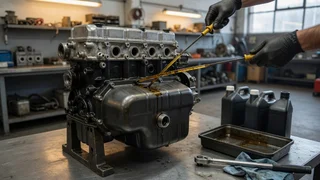
Cummins engine oil dipstick
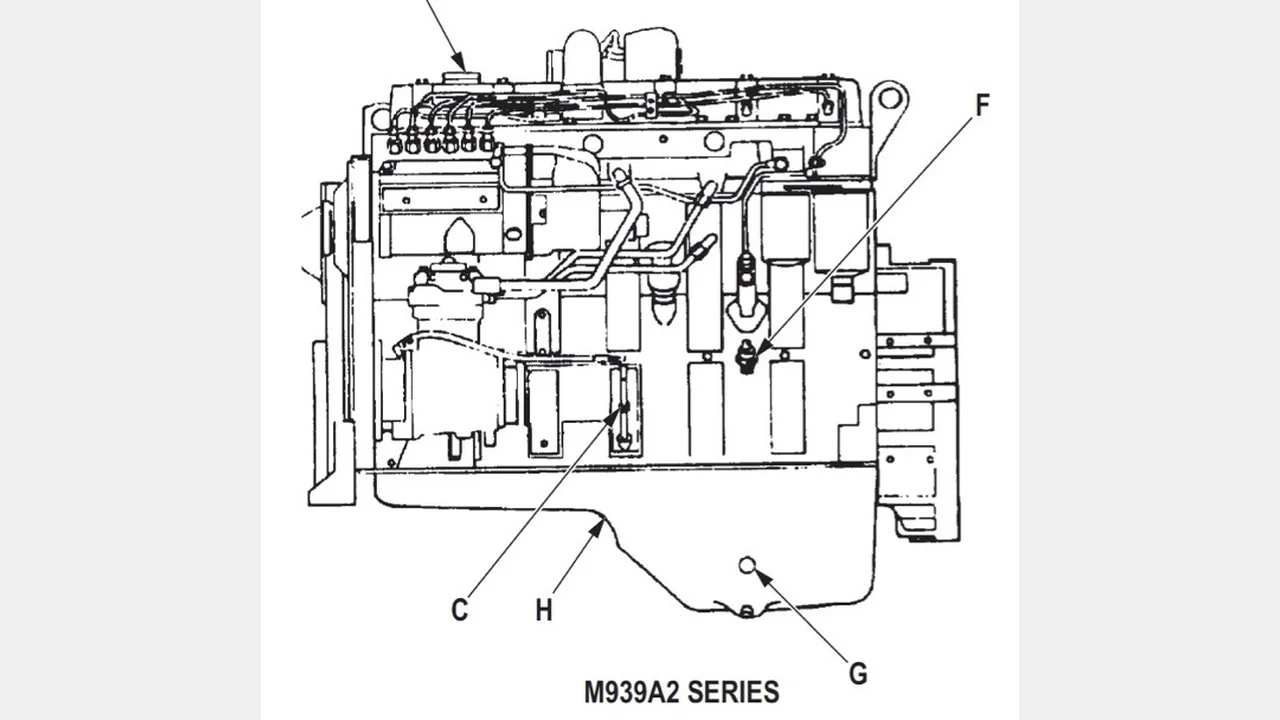
A Cummins engine oil dipstick is the calibrated blade and handle assembly used to measure crankcase oil level on many inline-six and V-configuration diesel powerplants. Because these engines can sit in pickups, motorhomes, agricultural machines, or commercial chassis, the dipstick tube length, handle color, and marking style vary by application. Reading it correctly matters for oil control, turbocharger durability, and consistent lubricant performance. The following overview explains how to approach this component, what a valid level check requires, and which surrounding details affect the reading.
Essential answer
The essential answer is that a Cummins engine oil dipstick is an application-specific oil level indicator, not a generic part shared across every vehicle. It works with the dipstick tube and oil pan depth to show whether the crankcase is near the recommended fill quantity. The same engine family may use different sticks depending on chassis installation, front cover arrangement, or pan shape. Because the markings are calibrated to the installed sump, swapping sticks between applications can produce a misleading reading even when both parts look similar.
A useful level check starts with the vehicle on level ground and the engine settled so oil has drained back to the pan. The dipstick should be removed, wiped clean, fully seated, and withdrawn again while keeping the tip downward. The oil film should fall within the crosshatch, safe zone, or upper and lower marks. If the level is below the lower mark, the engine may have consumed oil, leaked externally, or been underfilled. If it is above the upper mark, overfilling can cause crankshaft oil aeration and elevated crankcase pressure, so the excess should be corrected according to the equipment manufacturer’s guidance.
A Cummins engine oil dipstick is an application-specific oil level indicator, not a universal part shared across every diesel installation. It works with the dipstick tube and oil pan depth to show whether the crankcase is near the recommended fill quantity. The same engine family may use different sticks depending on chassis packaging, front cover arrangement, or sump shape. Because the markings are calibrated to the installed pan and tube, swapping sticks between applications can produce a misleading reading even when both parts look similar.
A useful level check starts with the vehicle on level ground and the engine settled so oil has drained back to the pan. The dipstick should be removed, wiped clean, fully seated, and withdrawn again while keeping the tip downward. The oil film should fall within the crosshatch, safe zone, or upper and lower marks. If the level is below the lower mark, the engine may have consumed oil, leaked externally, or been underfilled. If it is above the upper mark, overfilling can cause crankshaft oil aeration and elevated crankcase pressure, so the excess should be corrected according to the equipment manufacturer’s guidance.