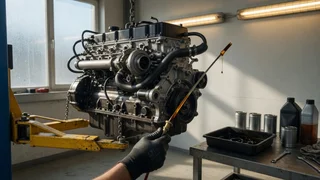
Find Cummins B6.7 engine oil capacity

Finding the correct Cummins B6.7 engine oil capacity starts with identifying the exact vehicle and equipment configuration, because oil pan and filter choices can change the total fill quantity. The B6.7 appears in Ram trucks, commercial vehicles, agricultural equipment, and industrial applications, so a single universal number can mislead. This overview explains how to interpret capacity guidance, why the dipstick remains the final check after a fill, and which identifier details matter when confirming the lubricant specification for your specific engine arrangement.
Essential answer
The Cummins B6.7 does not have one fixed oil capacity across every installation. The base engine requires a certain volume, but the total fill quantity also depends on the oil pan depth, the filter size, and any oil cooler or remote filter plumbing used in a particular chassis. For that reason, capacity information should be treated as a starting fill target rather than an absolute value. A high-capacity pan or a different filter mount can add meaningful volume, while a shallow industrial pan may reduce the amount needed to reach the full mark.
After adding the expected fill quantity, the dipstick provides the authoritative reading on level. Start with slightly less than the listed figure, run the engine briefly to fill the filter and oil galleries, shut it down, allow the oil to settle, and then check the level before adding small amounts. This method avoids overfilling, which can increase windage, aeration, and seal stress. Using the correct lubricant specification matters just as much as the volume, because the B6.7 places high demands on viscosity stability and soot handling.
Identification and location
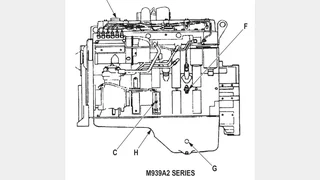
Identification begins with the engine dataplate, which usually includes the engine serial number and a family or model designation that can help distinguish factory configurations. The vehicle or equipment VIN and the build information from the manufacturer may also be required to confirm which oil pan and filter combination was originally installed. Comparing those identifiers with the equipment documentation is the most reliable way to avoid borrowing capacity data from a similar-looking but mechanically different B6.7 installation.
The oil fill cap location can also provide a quick visual cue. In many truck and Ram applications, the fill point sits near the top of the valve cover, while some industrial packages may route filling through a remote service point. The dipstick tube and markings are located on the side of the engine and may vary by chassis. When in doubt, use the engine serial number and the application-specific service information to confirm the equipment identification before committing to a fill quantity or filter selection.