Cummins B6.7 Engine Oil Capacity: What the Answer Depends On
The Short Answer
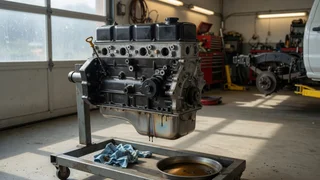
The Cummins B6.7 does not have one oil capacity that applies to every engine. Cummins builds the B6.7, a 6.7-liter inline six-cylinder diesel, for many uses, including medium-duty trucks, buses, motorhomes, and off-highway and industrial equipment. The equipment maker that installs the engine chooses the oil pan, dipstick and filter arrangement to suit its chassis or machine. Those choices change how much oil the engine holds. For the correct figure, use the documentation for your specific engine and vehicle rather than a general number.
This guide was written without a verified Cummins specification sheet or operator's manual to draw on. For that reason, it does not give a specific quart or liter figure. Any single number presented as the B6.7 oil capacity should be checked against the sources listed below before you rely on it.
Why the Capacity Varies
Oil pan design: Pans differ in depth, sump position and volume to clear different frames, axles and equipment layouts. Filter configuration: The size and number of full-flow filters, and whether a bypass filter is fitted, change the total oil needed at a service. Dipstick and fill tube: The marks on the dipstick are calibrated to a particular pan. A dipstick from a different pan will read incorrectly. Service fill versus total system volume: The oil needed for a routine change with a filter is less than the engine's total capacity, because some oil stays in passages and coolers after draining.
B6.7 Versus the Ram Pickup 6.7L Cummins
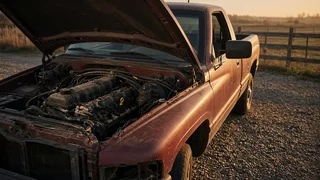
Many searches for 6.7 Cummins oil capacity come from owners of Ram heavy-duty pickups. The 6.7-liter engine in those trucks is closely related to the B6.7, but Ram supplies its own oil pan and service specifications. If your engine is in a Ram pickup, use the Ram owner's manual or service information for your model year. If it is in a commercial truck, bus, RV or machine, use the Cummins or equipment maker's figure for that installation. Figures from one application should not be assumed to apply to the other.
How to Find the Correct Figure for Your Engine
Find the engine dataplate, usually on the valve cover or gear housing. Note the engine serial number (ESN) and the control parts list (CPL) number. Check the Cummins operator's manual for the engine. Cummins service information can also be looked up by ESN, either through Cummins service resources or at an authorized Cummins dealer. Check the owner's or service manual from the vehicle or equipment maker. It reflects the pan and filter setup actually installed. If you are unsure, ask an authorized Cummins service location or the equipment dealer. Give them the ESN so they can confirm the capacity for your exact build.
Filling Without Relying on a Number Alone
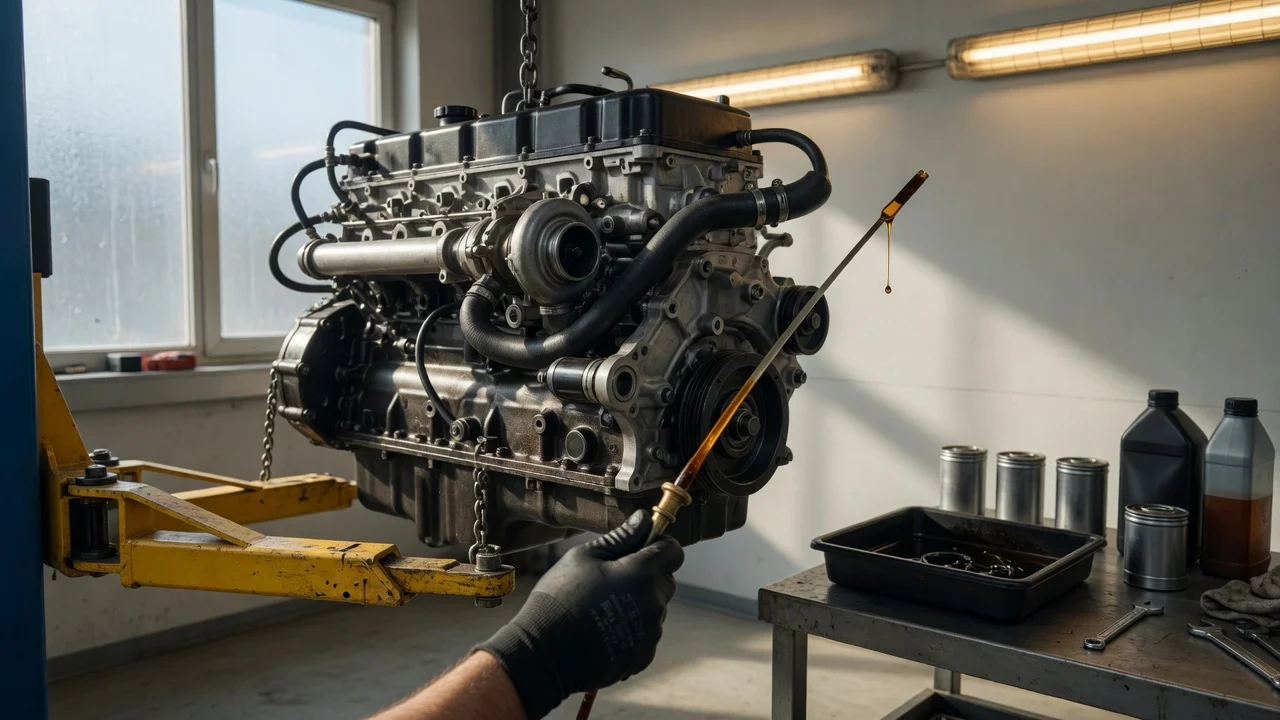
Even with the documented capacity in hand, the dipstick has the final say. A common and sensible approach is to install the new filter, add slightly less than the published amount, and run the engine briefly so the filter and passages fill. Then shut it down, wait for the oil to drain back to the pan, and check the dipstick with the vehicle on level ground. Top up gradually toward the full mark. Overfilling can cause oil aeration and other problems, so avoid filling past the upper mark.
Oil Specification
Capacity is only half of an oil change. Cummins publishes its own engine oil specifications, and the grade it recommends depends on the engine's emissions generation and the operating temperatures. Check the oil specification and viscosity in the same manual you use for the capacity. Do not assume the oil used in an older or different engine is still correct.
Gaps in This Guide
This article does not give exact oil capacities for any B6.7 application, model year, emissions generation or market, because no verified specification data was available for it. The general points about why capacity varies are standard engineering practice, not figures confirmed for particular B6.7 builds. Confirm the volume for your engine using its ESN and the relevant manuals before servicing.