Cracked Windshield Insurance: How to Check Your Glass Coverage
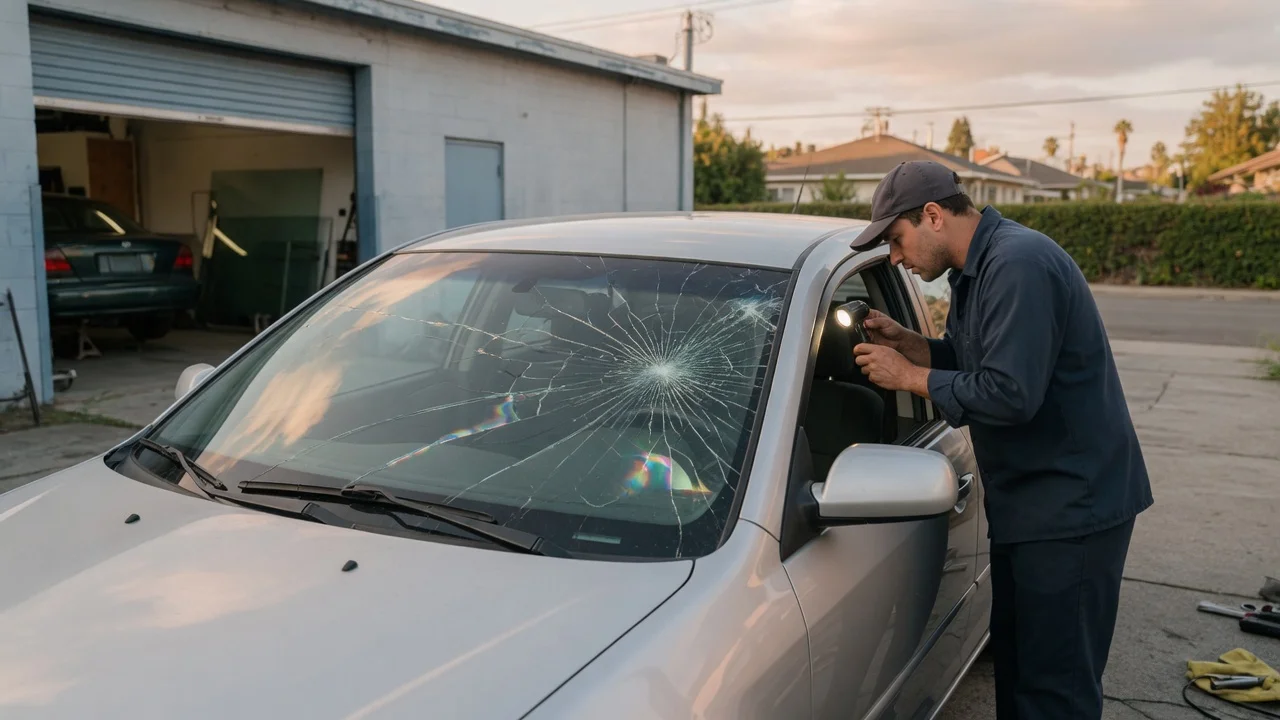
Does a policy pay for a cracked windshield?
A cracked windshield is often covered when the policy includes comprehensive physical-damage protection, sometimes called other-than-collision or own-damage cover. That part of an auto policy is meant to pay for sudden damage to the vehicle that is not a crash with another vehicle, including a stone chip that spreads into a crack, hail, a falling object, or vandalism. If the crack came from a collision, collision coverage is the part that usually applies instead. A liability-only or third-party-only policy generally does not pay to repair or replace your own glass.
Two conditions change the answer in a material way. First, you still owe the deductible shown for that coverage unless the policy includes a glass endorsement that reduces or waives it, or a rule in the vehicle’s garaging jurisdiction requires a different treatment of windshield claims. Second, the insurer must accept the cause of the damage as a covered peril under the policy that is in force. Coverage, deductibles, and any zero-deductible windshield rule are policy- and jurisdiction-specific. This article cannot confirm a particular contract, insurer practice, or current statute.
Which part of the policy applies
Comprehensive coverage is the section most people mean by windshield insurance. It typically responds when a rock, debris, weather, theft-related damage, or a similar non-crash event breaks the glass. Collision coverage responds when the crack is part of crash damage. Some policies also list a separate glass, windshield, or windscreen limit or endorsement. That extra language does not always add a new peril; it more often changes the deductible or the way a glass claim is handled.
Liability or third-party only: pays others for injury or property you cause; it does not normally pay for your windshield. Comprehensive or other-than-collision: commonly covers chips and cracks from road debris, hail, falling objects, and vandalism, subject to the comprehensive deductible unless a glass waiver applies. Collision: may cover glass broken in a crash with another vehicle or object, subject to the collision deductible. Glass or windscreen endorsement: may waive or reduce the deductible for repair or replacement of listed glass, depending on the wording.
A deductible is the amount you pay toward a covered loss before the insurer pays the rest. On many policies the comprehensive deductible applies to a full windshield replacement. Chip or crack repair is often treated more favorably than replacement, sometimes with no deductible, but that is a policy term rather than a universal rule. Ask the insurer how it classifies the damage you have: a small chip that can be resin-filled is not always handled the same way as a long crack that requires a new pane.
How to check glass coverage on your policy
The declarations page, also called a coverage summary or schedule of coverages, is the short form that lists what you bought. Use that page first, then confirm the reading with the insurer or a licensed agent before you authorize work. Policy jackets and state or provincial endorsements can modify the summary, so the declarations page is the starting point rather than the last word.
Locate the current declarations page for the vehicle that has the cracked glass, not an expired term or a different car on the same account. Confirm that comprehensive, other-than-collision, or an equivalent own-damage cover is listed as in force, and note the deductible next to it. Look for collision coverage and its deductible if the crack followed a crash. Scan for a glass, windshield, or windscreen line, waiver, or endorsement and read whether it applies to repair, replacement, or both. Match the cause of the crack to a covered peril: road debris and weather generally sit under comprehensive; a collision sits under collision. Call the claims or policy-service number on the documents and ask whether this loss is covered, what deductible applies, whether a preferred glass shop must be used, and whether a claim will affect the premium or a claim-free discount. If the vehicle has cameras or sensors in or on the glass, ask whether driver-assistance calibration after replacement is part of the glass claim. That need is vehicle- and equipment-dependent and is not shown on every declarations page.
A completion check is simple: you should be able to name the coverage that applies, the deductible or waiver that applies, and whether the insurer has opened a claim or given written confirmation. If any of those three items is missing, do not assume the glass will be paid in full.
Limits that often surprise owners
Coverage does not attach to the crack itself. It attaches to a covered cause of loss on a vehicle that is insured for that cause. Wear, prior unrepaired damage, and manufacturer defects are often excluded or directed to a warranty rather than to comprehensive. Aftermarket glass, original-equipment glass, mobile repair, and insurer-network shops can be treated differently in the policy or in the insurer’s claims guidelines. Those differences affect out-of-pocket cost and turnaround time; they are not standardized across markets.
Some jurisdictions require insurers to cover windshield replacement without a deductible when comprehensive is in force. Others leave the deductible in place unless you bought a glass waiver. The rule, if any, is local insurance law plus the policy form. Confirm it for the state, province, or country where the vehicle is garaged. No specific statute, dollar amount, or insurer rule is verified here.
A crack that sits in the driver’s view, reaches the edge of the glass, or is too long for a resin repair may have to be replaced rather than filled. Replacement on vehicles with forward cameras, rain sensors, or heating elements can include calibration or sensor transfer. Those operations are qualified-shop work. Do not drive with a windshield that obstructs vision or that has been weakened to the point it may not support the vehicle’s restraint systems as designed; if the crack impairs the view or the glass is unstable, have it assessed before further use.
A practical next step
Read the current declarations page, identify comprehensive or collision and any glass endorsement, then ask the insurer to confirm coverage and the deductible for this crack before work begins. If the policy is liability-only, plan to pay for the glass yourself or add physical-damage cover at renewal if you want that protection going forward; adding cover after the glass is already cracked will not insure that existing damage. For the vehicle in front of you, the binding answer is the policy language and the insurer’s claim decision in the applicable jurisdiction.