Repair cracked headlight glass
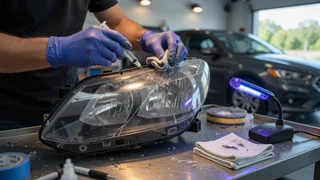
A cracked headlight lens affects more than appearance. A break in the outer glass or polycarbonate cover allows water, road debris, and vibration to reach the reflector, bulb, and aiming mechanism. Whether the damage is a small glass crack or a shattered area, the right headlight glass crack repair approach depends on the crack's location, length, and whether the housing still seals. Some damage can be stabilized temporarily with a lens repair film or adhesive, while structural breaks near mounting points often call for a replacement housing or lens. A careful inspection helps you avoid spending on a housing when the existing lamp can be made weathertight, and it also prevents a weak repair from scattering light or failing a state inspection.
Essential answer
The essential answer is that cracked headlight glass can sometimes be repaired, but the repair is usually temporary unless the damage is a clean, short crack in a flat area of the lens. Headlight broken glass repair typically works best on shallow surface damage that has not opened a path into the housing. Polycarbonate lenses respond to adhesive fillers and polishing, while a true glass lens with a deep crack often requires replacement because the material cannot be safely bonded under heat and vibration. If the crack does not cross the sealing surface or a mounting point, a transparent repair film or lens-safe adhesive may keep moisture out long enough to plan a permanent fix.
A crack that crosses the lamp's sealing surface changes the recommendation. The sealing surface is where the lens meets the housing or bezel, and even a small split there can let water reach the reflector and bulb. Repairing that area with a general adhesive is risky because adhesive compatibility with the lens material and housing plastic is uncertain. The repair may look acceptable while allowing condensation to collect inside the lamp. For a crack near a mounting point, the repeated load from closing the hood or driving over rough pavement can reopen the break. In those locations, the more reliable approach is to replace the cracked lens or the complete headlight assembly.
Diagnosing a problem
Diagnosing a cracked headlight starts with distinguishing a surface scratch from a crack that penetrates the lens. Run a fingernail across the damage. A scratch often catches lightly, while a crack shows a visible line that may change appearance when the lamp is warm. Next, inspect the inside of the housing for fogging, water droplets, or dust trails. Moisture inside indicates the crack has opened a path to the reflector. Shine the headlight against a wall at night and note whether the beam pattern has a bright scatter or a dark shadow near the crack. A clean pattern suggests the break is largely cosmetic, while scattered light means the lens surface no longer controls the beam properly.
If the crack is growing or the lamp is loose, stop driving with that headlight in use until the housing is stabilized. A loose lens can fall against the bulb or wiring, and a cracked housing may allow water to reach hot components. Check the mounting points by pressing gently on the lens and watching for movement at the break. If the crack opens when the lamp is wiggled, adhesive alone is unlikely to hold. In that case, treat the symptom as a possible structural failure rather than a simple glass crack. A fault code is not typically present for a cracked lens, but condensation that reaches connectors can cause an intermittent bulb-out warning, which should lead you back to the compromised seal.