Copart Vehicle Inspection Reports: What Listings Show and When an Independent Inspection Helps

The short answer
Copart is an online vehicle auction platform in the US known mainly for salvage, insurance-loss and used vehicles. Its listings include condition information, but that information is not a full mechanical inspection. It is a summary recorded when the vehicle arrives at the yard, plus photos. Vehicles are generally sold as-is. If you need a detailed, independent assessment of a specific vehicle, you usually have to inspect it yourself during a permitted preview or hire a third-party inspection service to examine it at the yard before you bid.
Note on sources: no specific evidence was supplied for this guide. It contains no prices, turnaround times, provider names or Copart policy dates. Copart's rules, listing fields and yard access policies can change and may vary by location. Confirm current terms with Copart and with any inspection provider before relying on them.
What a Copart listing typically tells you
A Copart lot page acts as the platform's own condition summary. Fields commonly found on listings include:
Vehicle identification number (VIN), year, make, model and trim where available; Title or sale document type, such as a clean title, salvage certificate or other branded document, which varies by state; Primary and, where noted, secondary damage category, for example front-end, rear-end, flood or hail; Odometer reading with a status indicator showing whether the reading is considered actual or not; A basic operational note at intake, such as whether the engine started or whether the vehicle moved under its own power; Whether keys are present; A set of photos taken at the yard
These details help you screen vehicles quickly. They are recorded for cataloguing, not for diagnosis. A note that the engine started at intake does not tell you about oil consumption, transmission behavior under load, frame alignment, hidden corrosion, electrical faults or whether airbags and safety systems are serviceable. Condition can also change between intake and sale, for example through battery drain, weather exposure or handling in the yard.
How an independent inspection differs
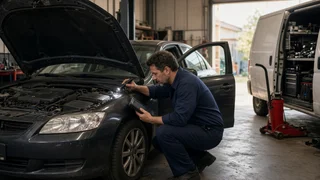
An independent pre-purchase inspection is done by a third party with no stake in the sale. At an auction yard, the inspector physically examines the vehicle and reports back, usually with additional photos and written notes. The scope depends on the provider and on what the yard allows, so it is worth asking exactly what is included before you pay.
Aspect | Copart listing details | Independent inspection; Who produces it | The auction platform, at vehicle intake | A third-party inspector you hire; Purpose | Cataloguing and screening | Assessing a specific vehicle for a buyer; Typical content | Damage category, title type, odometer status, keys, intake run status, photos | Closer photos, panel and structural observations, fluid and leak checks, interior and electrical notes, and a cold start if permitted; Independence | Prepared by the seller's sales channel | Prepared on the buyer's behalf; Limitations | Brief, may not reflect later changes | Usually no test drive or teardown, and limited by yard access rules
Even a thorough yard inspection has limits. Auction yards often do not allow test drives, lifting the vehicle or removing parts. An inspector may not be able to confirm internal engine or transmission condition, frame measurements or the cost of hidden damage. Treat an inspection report as a way to reduce risk, not as a guarantee.
Inspection reports versus vehicle history reports
A vehicle history report is generated from the VIN using records such as title transfers, reported accidents, insurance total-loss records and odometer entries. It describes the vehicle's past as recorded in databases. A physical inspection describes the vehicle's present state. The two answer different questions, so for an auction purchase many buyers check both. You can also check a VIN against open safety recalls through the official US recall lookup.
When an independent inspection is most worth considering
The photos do not clearly show the damaged area or the underside; The damage category suggests possible structural, flood or fire involvement; The vehicle is listed as not starting or not driving, or the run status is unclear; The odometer status is flagged as not actual or exempt; The winning bid plus fees, transport and repairs would be a significant sum relative to your budget; You cannot visit the yard yourself
Practical steps before you bid
Read the full lot page and download or save all photos; Run a VIN history report and a recall check; Confirm the title or sale document type and whether it can be registered in your state; Check Copart's current rules on yard previews and third-party inspections at the specific location; If you hire an inspector, agree in writing on the scope, deliverables and whether a start-up is allowed; Get repair, transport and fee estimates before you set a maximum bid
What this guide cannot confirm
No verified data was available on Copart's current inspection-related services, the exact definitions of its listing condition codes, yard access rules, or the costs and coverage of specific independent inspection providers. Check these details directly and in writing, because they materially affect how much a given report can tell you.