How to Read a Copart Vehicle Inspection Report
The Short Answer
A Copart vehicle inspection report is not a full mechanical inspection. It is the set of condition details attached to an auction lot: the recorded damage, the title or sale document type, the odometer reading and its status, notes on whether the vehicle started or moved, whether keys are present, and a set of photos. To read it well, treat each field as a brief, often visual observation made at the yard. Then compare those fields with the photos and with an independent vehicle history report before you bid.
One condition changes everything: Copart vehicles are generally sold as-is, where-is. The listing describes what was observed or reported. It does not guarantee the vehicle's mechanical condition, hidden damage or repair cost. If the listing is all you have, assume there are problems the listing does not show.
What You Need Before You Start
The lot number and the full 17-character VIN from the listing; Access to the complete photo gallery, viewed at full size rather than as thumbnails; An independent vehicle history report for the same VIN; Your state's rules on registering and inspecting branded-title vehicles, if you plan to put the car on the road; A rough budget for repairs, transport, auction and buyer fees, and any required state inspection
Step 1: Confirm the Vehicle Identity
Check the VIN on the listing against any VIN plate, door-jamb label or dashboard tag visible in the photos. Decode the VIN to confirm the year, make, model, engine and drivetrain. Listings sometimes show a trim or option level that the VIN does not support, so rely on the decoded VIN for anything that affects value or parts compatibility. If you cannot match the VIN in the photos, note that as an unresolved risk.
Step 2: Read the Title or Sale Document Type
The sale document field tells you what paperwork transfers with the vehicle. This field often matters more than the damage description. Common categories include clean titles, salvage certificates, rebuilt or reconstructed titles, and non-repairable or parts-only documents. Some documents are bills of sale rather than titles.
Clean title: no brand is recorded on the document. This does not mean the vehicle is undamaged. Salvage: the vehicle was typically declared a total loss. It usually must be repaired and pass a state inspection before it can be registered for road use. Rebuilt or reconstructed: a previously salvaged vehicle that has gone through a state's rebuild process. Non-repairable, junk or parts-only: in many states these vehicles cannot be titled for road use again. Bill of sale or other non-title documents: registration may be difficult or impossible depending on your state.
Title brand names and their legal effect vary by state. Some lots also have restrictions on who can buy them. Before bidding, confirm what the specific document allows in the state where you will register the vehicle.
Step 3: Interpret Primary and Secondary Damage
Primary damage is the area or type of damage judged most significant. Secondary damage is the next most notable item. Typical entries name a location, such as front end, rear end, side, roof, undercarriage or all over. Others name a cause, such as hail, flood or water, fire or burn, vandalism, mechanical, or minor dents and scratches. Some entries describe normal wear.
These labels describe the most obvious visible damage, not everything that is wrong. A vehicle listed only with "minor dents/scratches" can still have mechanical, electrical or structural problems. Front-end damage can extend into radiator supports, airbags, sensors and suspension even when the photos look moderate. "Mechanical" usually means a known or suspected drivetrain problem. The listing does not tell you how severe it is. Flood, water and fire entries call for extra caution, because corrosion and electrical damage can develop or worsen after the sale.
Step 4: Check the Odometer Reading and Its Status
The odometer field usually pairs a number with a status. "Actual" means the reading is believed to reflect true mileage. "Not actual" means the reading is known or suspected to be inaccurate. "Exempt" means the vehicle falls outside federal odometer disclosure rules, typically because of its age. Some listings show the mileage as unknown or unreadable. Compare the number with the dash photo if one exists, and with the mileage history in your vehicle history report. A reading that is lower than an earlier recorded value is a red flag.
Step 5: Understand Start, Drive and Key Notes
Some lots carry highlights showing that the engine started, or that the vehicle started, went into gear and moved under its own power at the yard. These notes reflect a brief check at a single point in time. They do not confirm that the transmission, brakes, steering, cooling system or engine will hold up under real driving. A vehicle that started at check-in may not start at pickup. If no start or drive note appears, assume the vehicle may not run.
The keys field tells you whether a key was present when the vehicle was processed. A missing key can mean extra cost for programming, especially on vehicles with immobilizer systems or keyless entry.
Step 6: Review the Remaining Listing Fields
Loss type or seller type: indicates whether the vehicle came from an insurance claim, a dealer, a rental fleet, a charity or another source. This affects how much history is likely to be known. Estimated retail value or repair cost, if shown: these are rough reference figures, not appraisals or repair quotes. Airbag indicators or notes: deployed airbags add significant repair cost and may affect inspection eligibility in some states. Engine, transmission, fuel type and drivetrain: cross-check against the VIN decode. Yard location and sale date: these affect transport cost and how much time you have to inspect.
Step 7: Verify the Report Against the Photos
The photos are often the most informative part of the listing. Work through them in a set order so you do not miss anything.
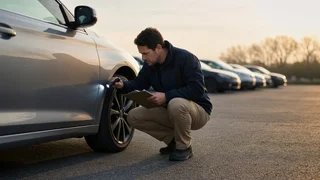
Walk around the exterior: look at panel gaps, misaligned doors or hood, and mismatched paint, which can point to prior repairs or structural shift. Check the glass and lights: broken glass and damaged headlamp assemblies add cost quickly. Wheels and tires: look for bent rims, flat tires, or wheels sitting at odd angles, which can mean suspension damage. Interior: look at the airbag covers, dashboard warning lights if the dash is shown lit, water lines, silt, mold or rust on seat rails and pedals. Engine bay: look for fluid leaks, a damaged radiator or condenser, a cracked intake, missing components or burn marks. Undercarriage, if photographed: look for corrosion, bent frame rails and leaking components. VIN and odometer close-ups: confirm they match the listing.
If the photos do not show an area that matters for your decision, such as the underside on a front-end collision, treat that area as unknown rather than undamaged.
Step 8: Cross-Check With a Vehicle History Report
A history report for the same VIN can show earlier accidents, previous title brands, past auction appearances, odometer readings over time, and the states where the vehicle was registered. Look for inconsistencies. These include a clean title on the listing alongside a salvage brand in the history, mileage that does not line up, or earlier flood events. A vehicle moved through several states shortly before a title change deserves extra scrutiny. History reports have gaps of their own, so a clean report lowers the risk but does not remove it.
Step 9: Get an In-Person or Professional Inspection When It Matters
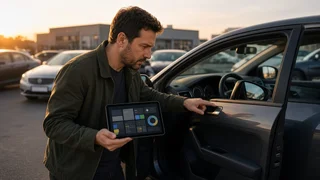
For anything beyond a parts car or a low-stakes project, have someone look at the vehicle in person if the yard and the lot rules allow it. You can go yourself or hire an independent inspection service. Structural damage, frame measurement, airbag system faults, flood-related electrical damage and drivetrain condition all call for a qualified technician or collision specialist. A listing and photos cannot reliably settle these questions. Hybrid and electric vehicles with collision, flood or fire damage need particular caution, because high-voltage battery damage may not be visible and calls for specialist assessment.
Common Fields and How to Read Them
Field | What it tells you | What it does not tell you; Sale document / title | What paperwork transfers and any title brand | Whether your state will register the vehicle without further steps; Primary damage | The most significant visible damage area or cause | Hidden structural, mechanical or electrical damage; Secondary damage | The next most notable damage | A full list of all problems; Odometer and status | Recorded mileage and whether it is believed accurate | Proof of actual mileage; Start or drive notes | That the vehicle started or moved during a brief yard check | Long-term drivability or drivetrain health; Keys | Whether a key was present at processing | Whether the key is programmed or a spare exists; Estimated values | A rough reference point | An appraisal or a repair quote; Photos | Visible condition at the time they were taken | Areas not photographed or damage under panels
Stop Conditions: When to Walk Away
The VIN in the photos does not match the listing, or no VIN is visible and none can be confirmed. The sale document cannot be registered for road use in your state and you need a road vehicle. The odometer is marked not actual, or the history shows rollback-like inconsistencies, and mileage matters to your use. You see flood indicators and cannot inspect the vehicle in person. Signs of structural damage appear and you have no access to frame repair. Your realistic total cost, including repairs, fees, transport and inspection, approaches or exceeds the value of a comparable undamaged vehicle.
Completion Check
You have read the report properly when you can answer each of these questions. Does the VIN match the decoded vehicle and the photos? What does the sale document allow in your state? What do the primary and secondary damage labels suggest, and what might they hide? Is the mileage credible? Did the vehicle start or move, and what does that note leave unproven? Do the photos and the history report agree with the listing? Which questions still need an in-person or professional inspection? If any answer is "unknown," either resolve it or bid as though the worst plausible case is true.