Choosing a DEI T4 Turbo Blanket: Fitment, Features and Real Limits
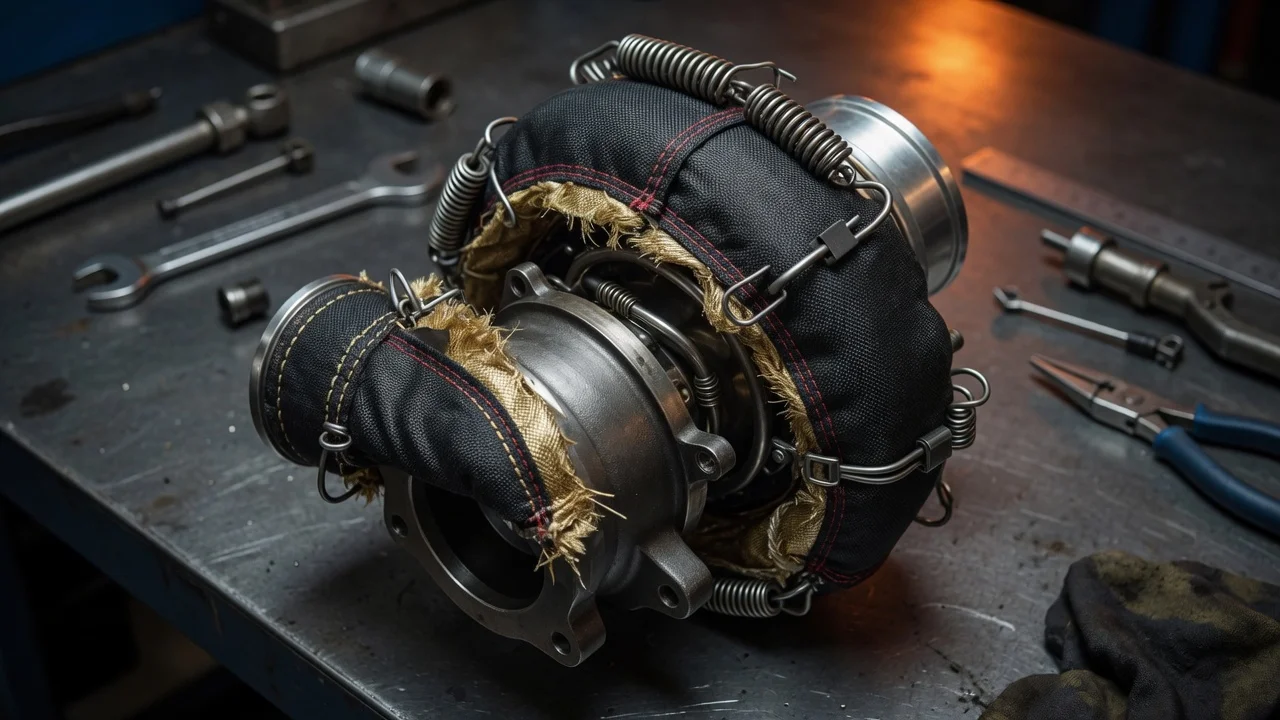
A DEI turbo blanket for a T4 turbocharger wraps the turbine housing so more heat stays in the exhaust path and less radiates into the engine bay. Whether one is the right buy depends on how the vehicle is used, which turbo is actually bolted to the manifold and how much room surrounds it. This guide covers the checks a mechanic makes before ordering, from confirming the housing to judging what a blanket can and cannot fix.
Define the job the product must do
Start with the problem you want solved. Common reasons for fitting a turbo blanket are protecting nearby wiring, vacuum lines, coolant hoses, brake lines and intake piping from radiant heat, and lowering underhood temperatures on a tightly packaged build or engine swap. How the vehicle is driven matters too. A street car that sees short bursts of boost puts a different heat load on the turbine housing than a truck towing up long grades or a car doing repeated track sessions. Note the duty cycle, the available space and whether you will need to remove the blanket often for turbo or exhaust service.
Separate symptom reports from verified failures before blaming heat. A melted connector, a cracked intake coupler or hardened vacuum lines next to the turbo are confirmed damage that a blanket can help prevent from recurring. A burning smell, hot-start hesitation or high intake air temperature are symptoms that can have other causes, such as oil weeping onto the exhaust, worn turbo seals or a cooling system fault. Review the service history, scan for stored diagnostic codes and record the symptom conditions, for example right after a hard pull or only while idling in traffic. A blanket installed over an unresolved oil leak hides the leak and gives the oil a place to soak in.
Check compatibility
T4 describes the turbine inlet flange standard, not one specific housing shape. Turbos that share a T4 flange can differ in turbine housing size, A/R, single or divided scroll design and outlet style, and a blanket has to match the housing it covers. Read the tag or part number on the turbo itself and compare it with the fitment listed in the manufacturer specifications for the blanket. Account for model year and engine variant as well: the same vehicle line may have used different turbos across years or engine options, and aftermarket kits or earlier owner changes mean the vehicle listing alone is not proof. A physical inspection of the installed unit is the reliable check.
Next, look at everything that meets the turbine housing. An internal wastegate actuator arm and flapper pivot must move freely after installation, and an external wastegate port needs a clean opening. Check the downpipe flange or V-band clamp, oil feed and drain lines, coolant lines on water-cooled center sections and any oxygen or exhaust gas temperature sensor fittings nearby. Turbo blankets are generally designed for the turbine side, so the center housing and compressor side are not meant to be wrapped. Finally, measure the gap to the firewall, strut tower, hood and other components. The blanket adds thickness, and in a cramped engine configuration that can turn a near miss into contact once the engine rocks on its mounts.
Features that affect the choice
The details that matter in daily ownership are construction and serviceability. Compare the outer layer's resistance to abrasion and fluids, the attachment method and how easily it can be removed and refitted, and whether the cutouts line up with your wastegate, sensors and line fittings. Check whether mounting hardware is included or sold separately. If more than one version is listed for your housing, compare them on these points against your use rather than on the product name. A blanket that is awkward to remove tends to stay on through inspections it should not skip.
Treat performance claims carefully. Statements about quicker spool, added power or a specific temperature drop depend heavily on the turbo, engine, tune, ambient conditions and how the measurement was taken, so they are not guarantees for your vehicle. More useful evidence is what you can measure yourself under repeatable conditions: underhood or component surface temperatures before and after, logged intake air temperature on the same route and the condition of nearby hoses and wiring at the next service. If you cannot measure a claimed benefit, buy the blanket for heat protection, which is the job it can be judged on.
Limitations and ownership costs
Install on a cold engine and follow the instructions supplied with the product. After fitting, confirm wastegate movement through its full travel, reroute any sensor wiring away from the blanket and check clearance with the engine rocked by hand. Some owners report smoke or odor during the first heat cycles; follow the supplied guidance on break-in, and if odor continues beyond that, inspect for an oil or coolant leak rather than assuming it is the blanket. Budget for replacement fasteners or springs if the originals fatigue after repeated removal, and expect the blanket itself to wear from abrasion, heat cycling and fluid contamination.
Add the blanket to routine inspection. Look for oil soaking, fraying, loose fasteners and contact marks, and replace an oil-soaked blanket only after fixing the leak that caused it. Removing it to inspect the turbo, check shaft play or look for housing cracks adds labor to every visit. A blanket cannot repair leaking turbo seals, a cracked housing, boost leaks, a poor tune or an overheating cooling system. Owner opinions conflict on whether trapped heat adds stress to the housing or center section; results depend on use and cooldown habits, so follow the turbo maker's guidance and warranty terms and keep a sensible cooldown idle after hard driving.
Build a practical shortlist
Before comparing candidates, confirm the turbo part number and turbine housing type, then keep only blankets whose listed fitment matches them. Check that the openings suit your wastegate, sensors and oil or coolant lines, and that your measured clearance allows for the added thickness. Note which attachment hardware is included, how the outer material handles the fluids present in your engine bay and how easily the blanket comes off for inspection. Write down the specific problem you are solving and how you will measure the result, then set an inspection interval in your service records.
If two options pass every check, choose on fit and serviceability rather than headline claims. If none clearly fits your housing, contact the seller with the turbo part number and photos of the installation instead of guessing. When the real issue is one exposed hose or harness and the turbo cannot take a blanket safely, protecting that component directly may be the more practical fix.