Choosing a DEI Turbo Blanket: Fitment, Features and Trade-Offs
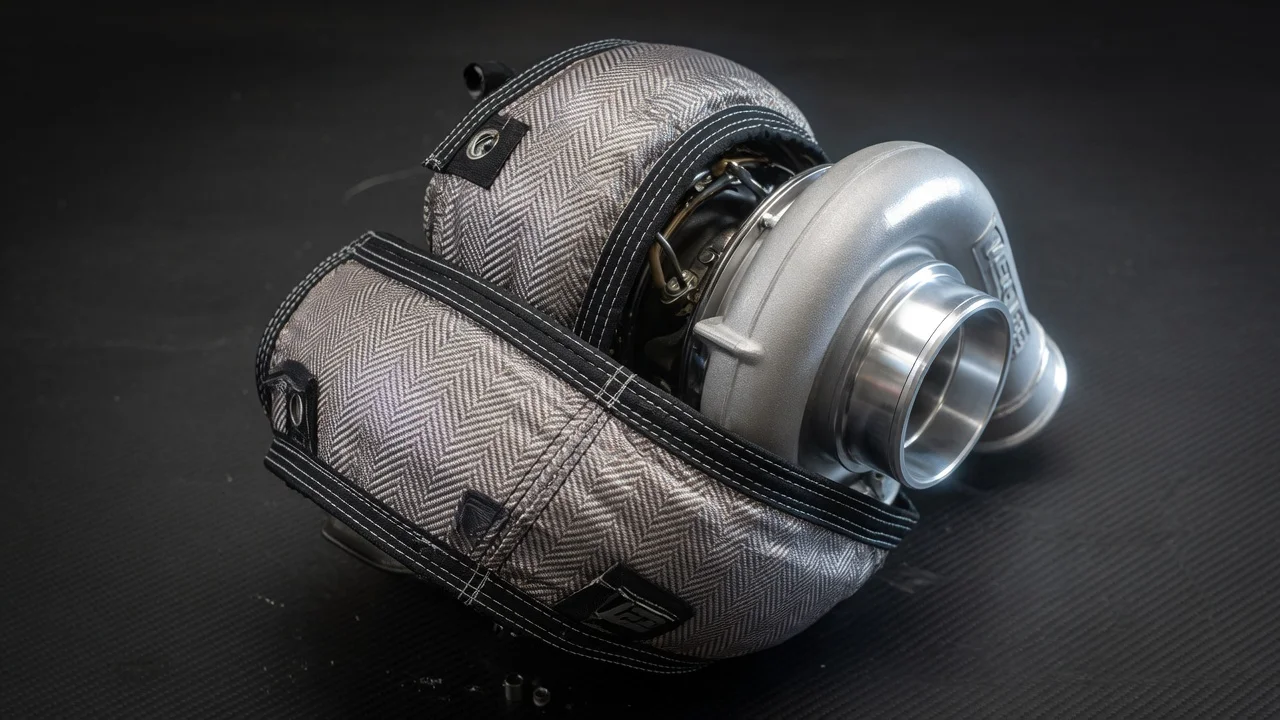
A turbo blanket wraps the turbine side of a turbocharger to hold radiant heat inside the housing and away from wiring, hoses and intake parts. DEI offers several insulating covers for this purpose. The right one depends on your turbo, your engine bay and the specific problem you want to solve, not on a product label. This guide covers how to pick one, fit it and live with it.
Define the job the product must do
Start by naming the problem. Owners usually look at a turbo heat blanket because of melted or brittle wiring near the turbo, softened silicone couplers, high intake air temperatures after idling, or heat reaching the firewall or brake booster area. Separate what you have noticed from what you have confirmed. A hot-feeling hood or a forum post about heat soak is a symptom report. A cracked boot, a crumbling connector or intake temperatures logged under repeatable symptom conditions is a verified failure or measurement. Note when the issue appears: after a hard run, in stop-and-go traffic, or only after shutdown. Then check the service history and scan for diagnostic codes. An exhaust manifold gasket leak, a weeping oil feed line or a failing sensor can cause heat damage or drivability complaints that no blanket will fix.
Model year and engine variant matter as much as the symptom. The same nameplate can use different turbochargers across years or engine options, and many factory turbos already sit under stamped metal shields. Blankets are most often considered for aftermarket turbo kits, engine swaps and upgraded turbos where the original shielding no longer fits. Be clear about how the vehicle is used. A daily driver that sits in traffic, a tow vehicle under sustained load and a track car running short, intense sessions place different demands on heat management. They also differ in how often you will need to remove the cover for inspection.
Check compatibility
Fitment starts with the turbine housing, not the vehicle. DEI turbo shield kits are usually listed by turbine housing frame size, so identify the turbo first. Read the tag or casting numbers on the turbo, check the part number in your build records, or measure the housing and compare it with the dimensions on the listing. An upgraded turbo may use the same mounting flange as the original but have a larger turbine housing, so do not assume the stock size still applies.
Next, look at what surrounds the housing. Many modern engines have the turbine housing cast into the exhaust manifold, and a blanket shaped for a standalone housing may not wrap it properly. Check clearance and cutouts for the wastegate actuator rod and arm, any external wastegate or divided-scroll inlet, the downpipe flange, the oxygen sensor and exhaust gas temperature probe locations, and the oil and coolant lines feeding the center section. The blanket should cover the turbine housing only; the center housing and compressor side generally need to stay exposed. Finally, compare the installation against the turbocharger maker's guidance and the vehicle manufacturer specifications. Some turbo suppliers restrict insulating covers, and a modification can raise questions during emissions inspection or a warranty claim.
Features that affect the choice
The features that actually change the outcome are, in order, fit, retention and heat resistance. A cover that closely matches the housing shape, with correctly placed openings, insulates better and stays put longer than a loose one with a higher printed rating. Look at how it attaches. Springs, hooks or safety wire should hold tension through repeated heat cycles without rubbing through the outer jacket. Check whether hardware is included and whether it is stainless. Consider how easily the blanket comes off, because you will be removing it for inspection.
Treat temperature ratings and performance claims with care. A rating may refer to continuous or intermittent exposure, and the listing should say which. Claims of lower under-hood temperatures or faster spool depend on the engine bay, airflow and turbo, so they do not prove your vehicle will see the same result. Color, finish and labels such as racing or pro are cosmetic. Useful evidence includes a stated frame size, published dimensions, a list of included hardware and clear installation instructions. To find out whether the blanket helped on your car, log intake air temperature or surface temperatures before and after installation under the same conditions.
Limitations and ownership costs
Install the blanket on a fully cold engine. Access can be the hardest part: depending on the layout, you may need to remove factory heat shields, the intake tube or the downpipe to seat the blanket and hook the springs. Expect to adjust it after the first few heat cycles, because the material can settle. Wear gloves, since insulating fibers can irritate skin.
The biggest ownership risk is oil. A blanket soaked with oil from a leaking feed line, valve cover or turbo seal can smolder or ignite. Fix leaks before installing, and replace any blanket that becomes saturated rather than trying to clean it. A cover also hides the housing, so cracks, exhaust leaks at the flange and a sticking wastegate are harder to spot. Remove it during scheduled inspections instead of leaving it on for the life of the turbo. Opinions differ on whether trapping heat in the turbine housing shortens its life. Owners do report cracked housings, but the cause is rarely isolated, so follow the turbo maker's position on covers.
Know what the blanket cannot do. It does not cool the oil, replace a proper cooldown period after hard driving, fix poorly routed intake piping or reduce exhaust gas temperature at the source. Budget for the blanket, mounting hardware if it is not included, possible labor to remove and refit it during service, and eventual replacement once the jacket frays or the core degrades.
Build a practical shortlist
Before buying, write a short checklist and compare candidates against it. Confirm the problem you are solving and whether it is a verified failure or a symptom report. Record the exact turbo, model year and engine variant, and whether the turbine housing is standalone or integrated with the manifold. Match the frame size and dimensions to the listing, and confirm cutouts for the wastegate, sensors, lines and flanges in your engine configuration.
Then check the attachment method, the included hardware, the stated temperature rating and whether it is continuous or intermittent, and the installation instructions. Confirm that your turbo supplier allows a turbine housing cover and that the change will not cause problems with inspection or warranty. Make sure there are no active oil or exhaust leaks, and plan how often you will remove the blanket for inspection. If two candidates pass every item, choose the one with the more precise fit and easier removal. Then measure the result on your own vehicle rather than relying on marketing claims.