Choosing a PRL Intercooler: Fitment, Features and Ownership Costs
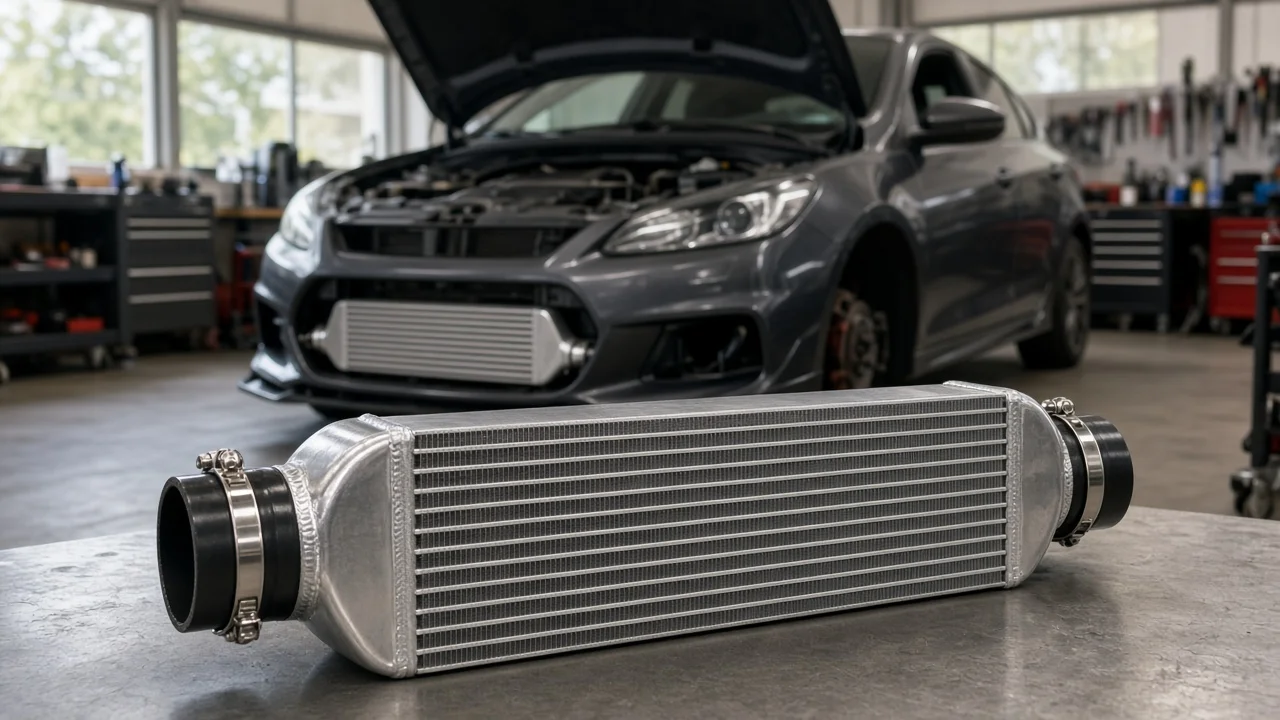
A PRL intercooler is a front-mount upgrade aimed mainly at turbocharged Honda and Acura models. Whether it suits your car depends on your model year, engine configuration, current modifications and how you drive. Those factors decide whether a larger core solves a real problem or just adds parts. This guide covers how to define the job, confirm compatibility, judge features honestly and budget for installation and maintenance before you buy.
Define the job the product must do
Factory intercoolers on many small-displacement turbo engines are sized for stock boost and normal commuting. They handle a highway merge without trouble, but they can heat soak during repeated hard pulls, a hot track session or a long summer grade with a loaded car. Start by naming your use: daily driving on a factory tune, a mild ECU tune, a planned turbo upgrade, or regular track and autocross days. Each step asks more of the charge air cooling. A kit sized for a big-turbo build may be more than a lightly tuned daily driver needs.
Separate symptom reports from verified problems. Feeling the car go flat after a few hard runs is a symptom. A datalog showing charge air temperature climbing well above ambient while the ECU pulls ignition timing is evidence. When you log, record the symptom conditions: ambient temperature, gear, boost and the number of consecutive pulls. If the car also stores diagnostic codes, such as an underboost fault, resolve the cause first. An intercooler will not cure a boost leak, a sticking wastegate or a faulty sensor.
Practical constraints count as much as performance goals. Consider your budget for parts and labor, and whether you can remove the front bumper yourself. Check your local emissions inspection rules, and decide whether a remaining powertrain warranty is something you want to protect.
Check compatibility
Fitment depends on the generation, model year and engine variant. A kit built for a 1.5-liter turbo engine is not interchangeable with one for a 2.0-liter version of the same nameplate. A mid-cycle refresh can also change bumper structure, sensor locations or charge pipe routing. Match the product listing to your exact year, trim and engine, and confirm your build details if the trim is unclear.
Next, look at the interfaces. Confirm that the inlet and outlet diameters match your charge pipes. Find out whether the kit reuses factory pipes or requires its own, and where the boost pressure and temperature sensor mounts. Some front-mount kits require trimming the bumper beam, an under tray or a bracket, so read the installation instructions before ordering, not after. Also check for conflicts with parts you already run. These include an aftermarket front lip, an oil cooler, a radiator upgrade or a relocated horn, as well as any driver-assistance hardware in the front fascia.
In states with strict emissions programs, find out whether the part carries the exemption required for street use on your vehicle. Also check whether your inspection looks at visible engine modifications. Treat the published manufacturer specifications as your reference. If a detail you need is missing, ask the seller before you buy.
Features that affect the choice
Core construction is the first real variable. Bar-and-plate cores are generally sturdier and can absorb more heat before saturating during repeated pulls. Tube-and-fin designs tend to be lighter and often flow with less restriction. Core thickness and frontal area determine how much cooling air the core can work with. A thicker core may cool the charge better but can reduce airflow to the radiator behind it, which matters on a car that already runs warm on track.
End tank shape, internal volume and pipe diameter affect pressure drop and throttle response. Extra volume has a cost: the turbo has to fill it, and a poorly shaped end tank can leave part of the core underused. Check whether the maker publishes pressure drop or temperature data, and read the conditions behind those figures.
Treat marketing labels carefully. A claimed temperature drop or power gain only means something when the test lists ambient temperature, tune, boost level and the number of pulls. Dyno sheets from heavily tuned cars do not transfer to a factory-tuned car, and a single pull after a cool-down hides heat soak. Owner datalogs recorded under consistent conditions tell you more than a percentage on the box. Finish color, logo placement and polished piping are cosmetic and should not drive the decision.
Limitations and ownership costs
Installation usually means removing the front bumper, often the under tray, and disconnecting the factory charge pipes. If you are not comfortable with that work, budget for shop time. Tighten couplers and clamps according to the kit instructions. A boost leak test after installation is a cheap way to confirm that every joint seals. Some owners pair the swap with a tune revision, which is a separate cost to plan for.
A larger front-mount core is more exposed to road debris, and bent fins or stone damage reduce airflow. Inspect the face of the core at oil changes, and clean or straighten fins gently. A light oil film inside the pipes can come from normal crankcase ventilation. Pooling oil, or a sudden increase in it, calls for a closer look at the PCV system and the turbo seals. Record the install date, parts and any retune in the car's service history, which helps later diagnosis and supports resale.
Know what the part cannot do. On a factory tune, the ECU already manages boost and timing toward its own targets, so the benefit is often more consistent performance in the heat rather than a higher peak figure. An intercooler will not fix underboost caused by leaks or wastegate faults, misfires, a worn turbocharger or a failing sensor. Modifying the charge air system may also affect warranty coverage for related components, so ask your dealer if that matters to you.
Build a practical shortlist
Narrow your options with a checklist rather than a ranking. For each candidate, write down the following: confirmed fitment for your model year, trim and engine; whether charge pipes are included or required; any bumper or bracket modification; core type and dimensions from the manufacturer specifications; sensor provisions; emissions status in your state; warranty terms; and total cost, including couplers, labor and a possible retune.
Compare that list against your logged data and goals. If your logs show heat soak under realistic driving, a PRL intercooler matched to your engine is a reasonable next step. If the logs look clean and you mostly drive on a stock tune, the money may do more elsewhere. If a bigger turbo is in your plans, choose a core and piping sized for that target now so you only buy once.
Before ordering, inspect your existing charge system. Look for cracked couplers, loose clamps, oily joints or damaged pipes, and fix the causes of any stored codes. Starting from a sound baseline makes it much easier to tell afterward whether the new intercooler did its job.