Choose GL-5 85W-140 gear oil
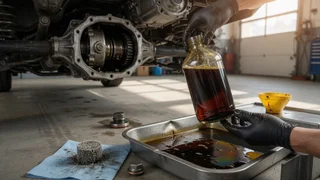
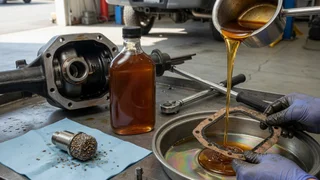
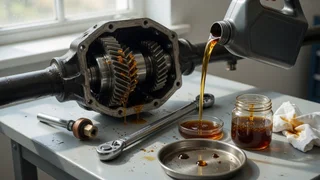
Choosing GL-5 85W-140 gear oil means matching a heavy-viscosity, extreme-pressure lubricant to the axle, differential, or gearbox that actually calls for it. The GL-5 designation refers to a lubricant specification for hypoid gears under high load and sliding contact, while 85W-140 describes multigrade flow behavior across cold and hot operating temperatures. This weight is common in older differentials, towing applications, commercial equipment, and some manual transmissions where the manufacturer does not prohibit GL-5 chemistry. The right choice depends on equipment identification, manufacturer approval, fill quantity, and how the unit is maintained rather than on brand alone.
The direct answer
GL-5 85W-140 gear oil is a heavy-duty lubricant intended for hypoid gears that experience high-pressure sliding contact, especially in rear differentials, limited-slip axles when compatible, and certain industrial or towing drivelines. The GL-5 service classification indicates a higher level of extreme-pressure additive chemistry than GL-4, which matters because the wrong classification can affect yellow-metal synchronizer parts in some manual transmissions. Before buying, identify the exact component and confirm the lubricant specification in the owner’s manual or service documentation. A differential calling for GL-5 and an 85W-140 viscosity is the clearest fit for this fluid.
The practical answer is conditional on the application. If the vehicle manufacturer lists GL-5 85W-140 or an equivalent heavy gear oil for the axle, this product is appropriate for high ambient heat, sustained load, or towing where a thicker hot-viscosity film helps protect gear faces. If the equipment calls for a lighter grade, a GL-4 fluid, or a fuel-efficient axle lubricant, installing this oil can increase drag, raise operating temperature, or create compatibility concerns. The first check is therefore not price but the equipment tag, fill plug, or service manual entry that confirms the fluid requirement.
Choosing and buying
When choosing and buying, separate the lubricant specification from marketing claims and focus on equipment compatibility. A GL-5 85W-140 gear oil should carry API GL-5 performance language and match any manufacturer approval listed for the axle or gearbox. Limited-slip differentials may need a friction-modifier additive unless the oil already states that it is suitable for limited-slip use without a separate supplement. Purchasing a fluid that does not match the clutch-pack behavior can produce chatter or inconsistent lockup, so read the container description against the service requirement before committing.
Also consider fill quantity, level check access, and the service interval. Buying by the quart or gallon should reflect the unit’s capacity plus a small margin for spillage during filling, but avoid storing open containers indefinitely because moisture and debris can compromise the lubricant. Check whether the fill and drain plugs are accessible enough for a level check after the fluid warms and settles. A purchase decision is stronger when the container size supports one clean service event and the fluid remains compatible with the seals and additive package already present in the housing.
Comparing alternatives
Comparing alternatives usually means evaluating conventional, synthetic-blend, and full-synthetic GL-5 85W-140 gear oils against similar use cases. A mineral-based lubricant may be acceptable for moderate-duty older equipment, while a synthetic can offer better cold-flow behavior, oxidation resistance, and shear stability during long towing grades. Since 85W-140 is already a high-viscosity choice, the synthetic version may improve low-temperature circulation without sacrificing the hot-film strength that protects hypoid gear teeth. The trade-off is typically higher upfront cost rather than a difference in the basic GL-5 rating.
The best alternative depends on how the vehicle is used and stored. A truck that tows frequently in hot conditions may benefit from the thermal stability of a full-synthetic oil, while a lightly used classic axle may be served well by a quality conventional fluid changed on schedule. If two products both meet GL-5 and the manufacturer approval, compare the container’s limited-slip compatibility, the amount needed to reach the fill hole, and whether the retailer supplies a data sheet showing the viscosity and additive claims. Choose the lubricant that most closely matches the equipment requirement and the duty cycle, not simply the one with the lowest price per quart.