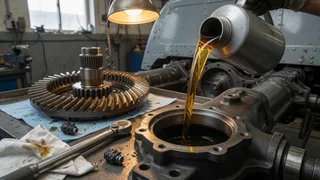
Choosing GL-1 140 Gear Oil: When It Fits and What to Check
The short answer
Buy GL-1 140 gear oil only when the manufacturer's specification for your gearbox, differential or steering box calls for a straight, non-extreme-pressure gear oil in the SAE 140 viscosity grade. That situation is most common on older vehicles, vintage cars, classic tractors and some industrial or agricultural gear cases. If your manual or service data calls for API GL-4 or GL-5, or for a multigrade such as 80W-90 or 85W-140, GL-1 140 is not the right oil. Fitting it to a hypoid differential in particular risks rapid gear wear.
What the label means
GL-1 is an API service designation for gear lubricants. It describes the most basic type of gear oil: a mineral oil without extreme-pressure (EP) additives. EP additives are sulfur- and phosphorus-based compounds that protect heavily loaded gear teeth. GL-1 oils may still contain rust and oxidation inhibitors, anti-foam agents or pour-point depressants. The category was intended for gears under mild loads and sliding conditions, such as some spiral-bevel and worm gears and many older manual transmissions.
The "140" is an SAE viscosity grade for gear oils. It indicates a heavy, thick oil at operating temperature. A single number with no "W" means the oil is a monograde. It is not rated for cold-weather flow in the way a multigrade such as 85W-140 is.
Why GL-4 or GL-5 is not an automatic upgrade
A higher GL number does not mean a better oil for every gearbox. GL-4 and especially GL-5 oils contain substantial EP additive packages. In some older units, those additives can react with yellow metals such as bronze or brass. These metals may be used in synchronizer rings, bushings, thrust washers or worm-wheel gears. Where a manufacturer specified a straight gear oil for that reason, a GL-1 product preserves the original chemistry.
The reverse also applies. A gearbox or axle designed around EP protection, including any hypoid differential, needs that protection. GL-1 cannot provide it.
Checks before you buy
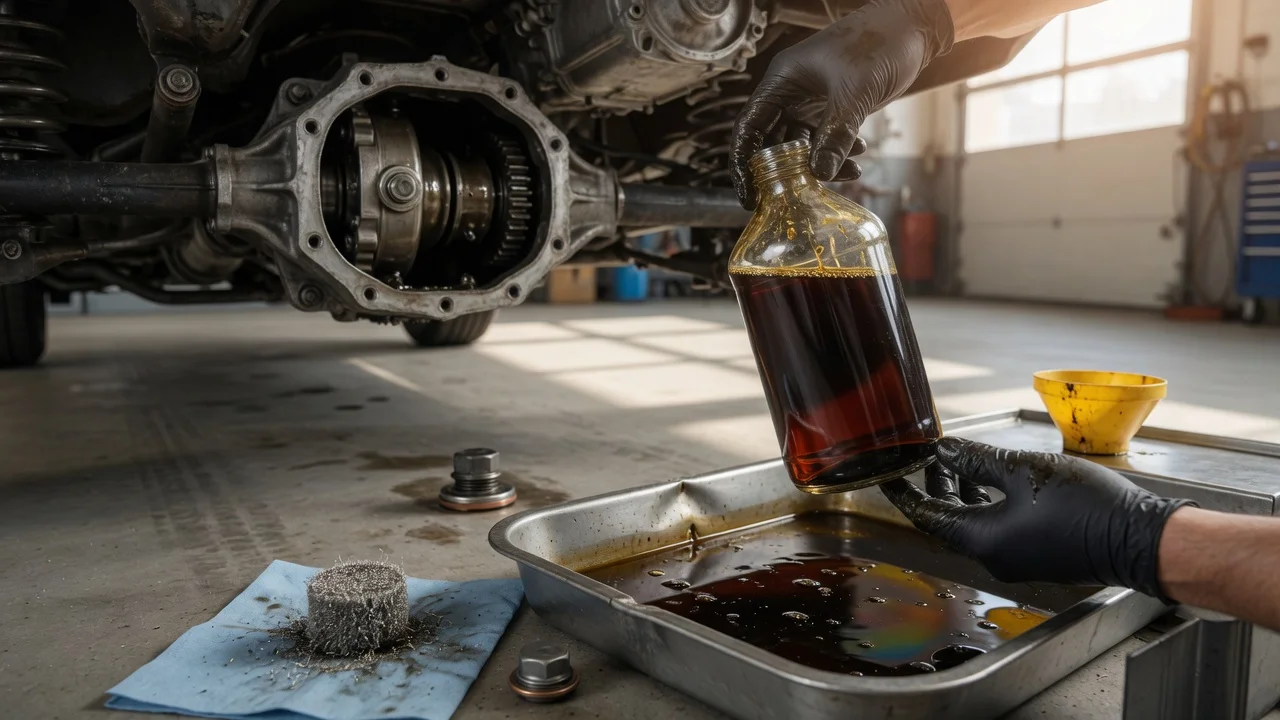
Confirm the specification for your exact unit. Specifications can change between model years, markets and gearbox or axle variants of the same vehicle, so check the manual or service data for your build rather than a general model listing. Identify the gear type. Worm, spur and spiral-bevel gears under light loads are typical GL-1 applications. Hypoid gears are not. Check for yellow-metal components. If the gearbox uses bronze or brass parts and the manufacturer warns against EP oils, avoid GL-4 and GL-5 unless the oil's maker explicitly states it is safe for yellow metals. Consider your climate and use. A monograde 140 is very thick when cold. This can make shifting stiff and slow the oil's flow at start-up. If the manufacturer lists alternative grades for low temperatures, follow that guidance. Read the product data sheet. Confirm that the oil is labelled API GL-1 and SAE 140, and check the stated base oil and any additives. Some heavy straight oils sold for vintage use carry other designations, so make sure the data sheet matches your requirement. Work out the quantity. Find the fill capacity for your unit and buy enough for a full change plus any flushing you plan. Inspect the old oil and seals. Metal particles, a burnt smell or active leaks point to a mechanical problem that new oil will not fix.
Cost and availability
No pricing or availability data was supplied for this article, so specific brands and costs are not covered. GL-1 140 is a niche product. Stock levels and prices vary by market and retailer. When comparing offers, check the container size, the currency, and whether shipping or hazardous-goods fees are included. An advertised shelf price is not the same as the final cost delivered to your door.
Gaps to resolve yourself
This guide cannot confirm the correct oil for any specific vehicle or machine. That depends on the model year, market and exact gearbox or axle fitted. No product data sheets or test results were supplied, so no brands are compared or ranked here. If your manual is unavailable, contact a specialist for your vehicle or the gearbox manufacturer before choosing an oil.