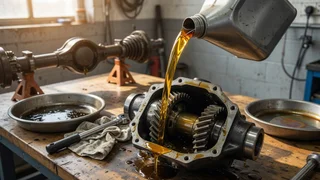
Choose GL-1 90 gear oil
Choosing a GL-1 90 gear oil involves more than picking the first bottle with the right viscosity number. This older lubricant specification serves straight-cut or low-speed gearboxes where mild chemistry protects yellow metals better than aggressive modern additives. The right choice depends on confirming what the equipment manufacturer actually requires, checking the fill quantity and level, and distinguishing a genuine service need from a generic gear-oil substitution. Buyers should treat the specification as a compatibility boundary, then evaluate package size, available formulations, and condition of the existing lubricant before committing to a purchase.
The direct answer
For a gearbox that explicitly requires GL-1 90 gear oil, select a straight mineral gear lubricant meeting that traditional API designation and the SAE 90 viscosity band. The key condition is manufacturer approval: if the manual or data plate names GL-1, do not substitute a GL-4 or GL-5 product simply because it has a higher rating. Gl-1 lacks the active extreme-pressure chemistry found in those later grades, which is often intentional when bronze synchronizers, bushings, or worm gears need a chemically gentle oil.
The 90 portion of the designation describes viscosity at operating temperature, not a single thin or thick universal fluid. Buyers should also confirm the fill quantity and level check procedure because an overfilled case can aerate the lubricant and a low level can starve splash-fed gears. Service interval matters as well; older equipment may need more frequent drains if the oil shows moisture, metal sparkle, or a burnt odor. A fault code or leaking seal is evidence that a repair may be needed, but the oil choice still starts with the named specification.
Choosing and buying
Before buying, verify the equipment identification and any plate or manual callout for GL-1 90. Some vintage transmissions, steering boxes, and industrial reduction units were designed around this lower-additive chemistry. A modern extreme-pressure oil can attack copper-alloy components over time even when the viscosity looks similar. Therefore, the most important purchase check is not price per quart, but whether the product label or technical sheet lists GL-1 rather than only a generic gear-oil rating.
Consider total ownership and service factors rather than the bottle cost alone. Look at the advertised package size against the required fill quantity, because buying too little leads to mixing brands and buying far too much leaves opened containers that absorb moisture. Check the condition of the current lubricant during a level check; if it is milky, heavily darkened, or gritty, a simple top-off may be the wrong purchase. A drained-and-refilled case with the correct fluid is often better value than repeatedly adding oil to a contaminated fill.
Comparing alternatives
When comparing GL-1 90 options, the clearest criterion is whether each candidate is labeled for the same traditional service category. One bottle may be a plain mineral oil while another blends a viscosity-index improver or a mild rust inhibitor. Both can be acceptable if the manufacturer approval is met, but they differ in low-temperature flow and oxidation stability. Do not rank them by modern gear-oil performance tests that assume hypoid loads; those tests do not represent the straight-cut or worm applications that commonly call for GL-1 90.
A practical tie-breaker is availability in a size that matches the service interval without creating long-term storage problems. A quart may be convenient for a small steering box, while a gallon or pail suits a transmission with a larger fill quantity and regular drains. If two products carry the same GL-1 90 specification, choose the one with clearer label information about the base-oil type and rust protection. The best alternative is the fluid that fits the equipment requirement, matches the needed volume, and can be sourced again at the next scheduled change.