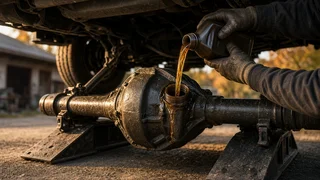
Choose gear oil for a manual transmission
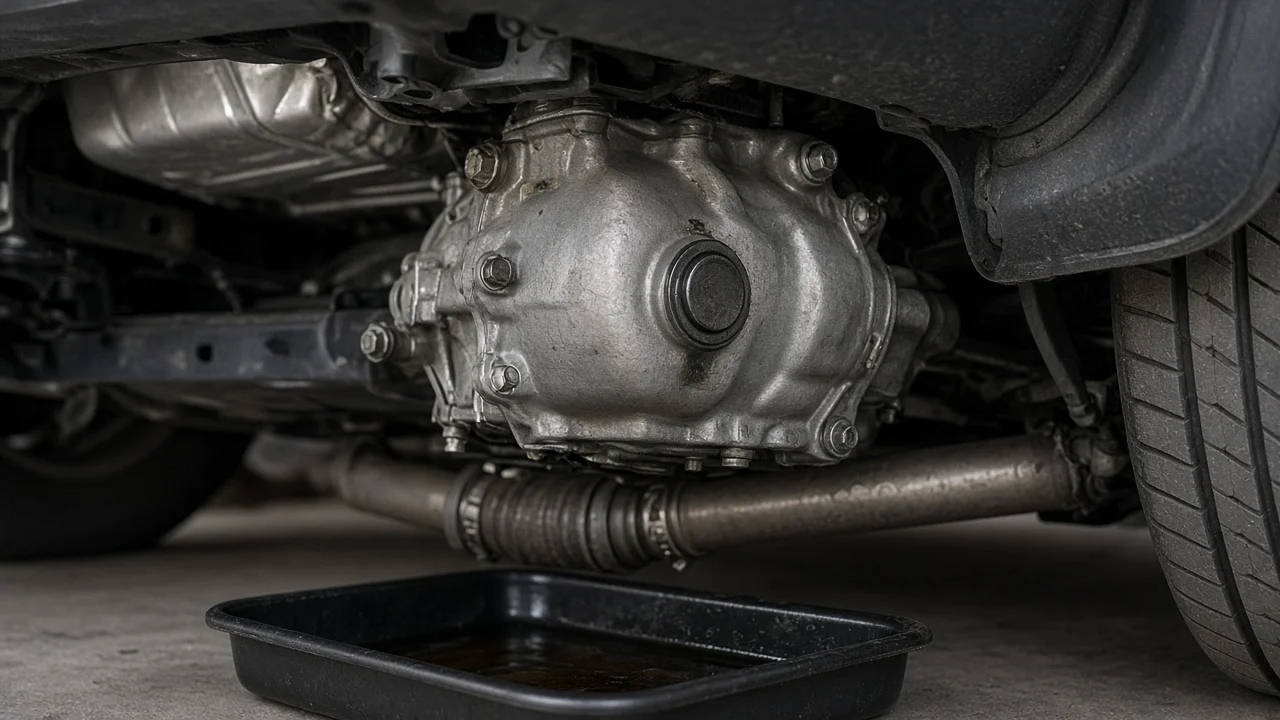
Choosing gear oil for a manual transmission is not about finding the thickest or most expensive lubricant on the shelf. The right fluid must protect helical gears, synchronizers, and bearings while preserving shift feel. An incorrect fill can cause stiff engagement, grinding, or long-term wear. Because manual gearboxes place different demands on a lubricant than differentials or automatic transmissions, matching the fluid to the transmission design and the expected operating conditions matters more than relying on a generic viscosity rating alone.
Essential answer
The essential answer is to use the lubricant specified by the vehicle manufacturer for the particular transmission and axle combination. That specification exists because synchronizer friction, gear tooth loading, and seal compatibility vary between designs. A fluid approved for one manual transaxle may be wrong for another even when both call for similar viscosity. Treat the owner’s manual or a reputable application guide as the primary source, then narrow choices by the required performance designation rather than by bottle color or marketing language.
Once the correct specification is identified, the physical properties still matter. A manual transmission needs a fluid that flows well enough at cold startup to reach the upper shafts and bearings, yet remains stable under the heat generated by continuous highway driving. In many modern gearboxes, the fill quantity is modest and the drain interval is long, so an error persists for tens of thousands of miles. Confirming the level check procedure and the exact fill quantity before buying helps avoid an underfilled case or an overfilled unit that aerates the lubricant.
Relevant alternatives
When comparing alternatives, the main division is usually between a conventional mineral gear oil, a synthetic blend, and a full synthetic fluid formulated for manual transaxles. A conventional fluid may be acceptable for an older, low-stress transmission and is often the least expensive choice. However, a synthetic can offer steadier viscosity across a wider temperature range and may improve cold-weather shifting. The better option depends on the transmission’s friction design: some synchronizers rely on a specific level of friction to match gear speeds, and a fluid that is too slippery can delay engagement.
Another practical comparison is between using a dedicated manual transmission lubricant and substituting an engine oil or automatic transmission fluid where an older design allows it. Some classic gearboxes were designed around engine-oil viscosity, and a modern gear oil may be too heavy or carry additives that attack yellow-metal bushings. A manufacturer approval or clearly stated equivalency resolves this risk. If the vehicle regularly operates under heavy load, towing, or high ambient heat, choose a fluid that remains within its intended operating range under those conditions rather than one selected only for the lowest purchase price.