Choose 3M windshield urethane adhesive
The short answer
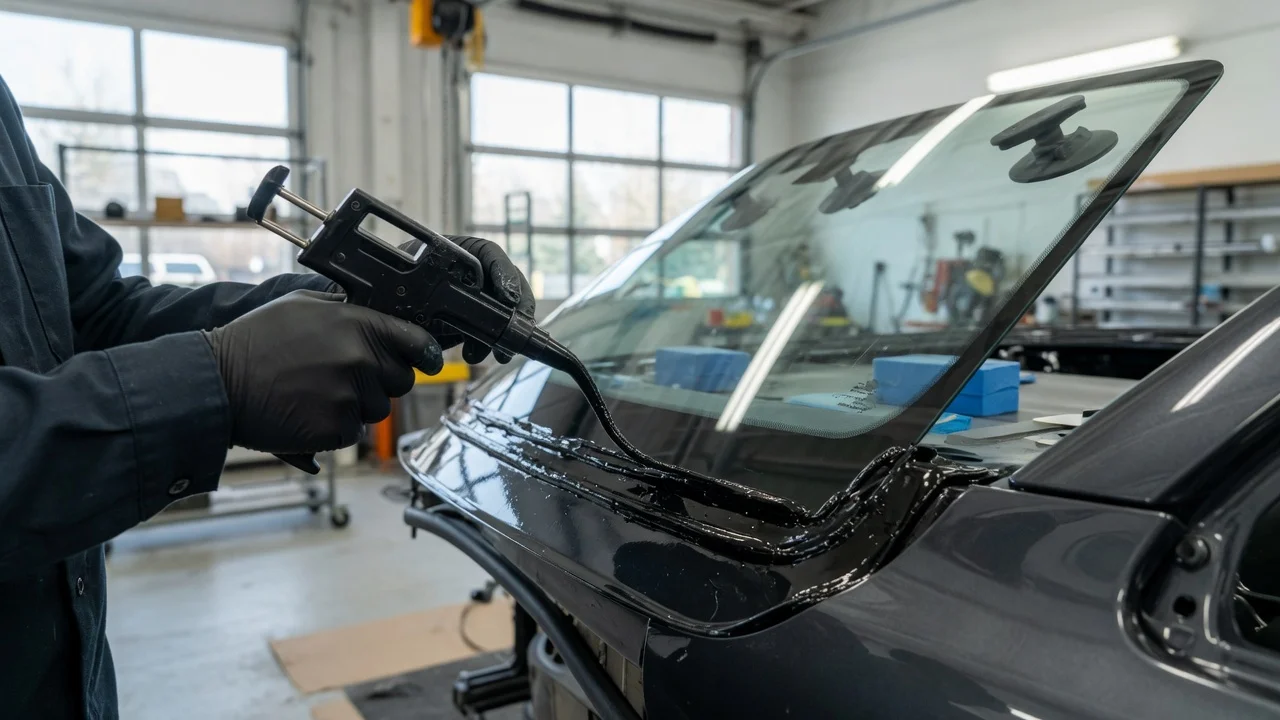
The 3M 08693 auto glass urethane is sold as a windshield adhesive. Whether it suits your job depends less on star ratings than on whether its documented cure behavior, preparation system and approvals match your vehicle, your working conditions and how soon the car must be driven again. This guide had no review scores, test results or prices to summarize. It focuses instead on the checks that should decide the purchase, and on how to read the reviews you find.
Several conditions can change the answer. The vehicle manufacturer's repair information may specify a particular adhesive system or adhesive properties. You may need the car back on the road quickly. You may be working in cold or dry weather. The cartridge may be close to its expiry date. Or the windshield may carry driver-assistance cameras that need recalibration after replacement. If any of these apply, check them before you treat a positive review as a recommendation.
Why the adhesive choice matters
Windshield urethane is a moisture-curing polyurethane. It hardens by reacting with humidity in the air, not by drying. On many modern vehicles the bonded windshield adds to body stiffness and helps the passenger airbag deploy correctly. That makes the adhesive a safety-related part, not just a seal against leaks and wind noise. A bead that looks fine and stops water can still be unsuitable if it is not fully cured, or if the surfaces were not prepared the way the manufacturer requires.
What to check before buying
Exact part number: Confirm that the listing and the packaging both show 08693. 3M sells other auto glass urethanes with different part numbers and cure profiles, so do not assume they are interchangeable. Safe drive-away time: This is the minimum wait before the vehicle can be driven with the adhesive able to do its safety job. Take it from the current technical data sheet, not from a listing or a review. It usually depends on temperature, humidity and bead size. Preparation and primer system: Check which glass primer, body (pinch-weld) primer and cleaning steps the adhesive needs. Also check whether it is meant to bond over a trimmed layer of the old urethane. Buy every required component, not just the cartridge. Vehicle requirements: Look up the repair information for your exact model year, market and trim. Some manufacturers specify adhesive properties or approved products. Options such as heated glass, head-up displays, rain sensors or camera brackets affect which glass and which follow-up work you need, even if they do not change the adhesive. Shelf life and storage: Check the expiry or manufacture date and make sure the packaging is sealed. Marketplace stock may be old, and urethane past its date may not cure as specified. Application tools: Confirm that the cartridge fits your caulking gun. Thick urethane, especially when cold, can be hard to push through a light-duty gun. Plan the nozzle cut so the bead size matches the installation instructions. Working conditions: Read the data sheet's temperature and humidity limits. Cold or dry conditions can slow curing and lengthen the wait before driving.
Counting the full cost
The cartridge is often a small part of the total. A realistic budget includes the required primers and applicators, cutting tools to remove the old glass, replacement moldings or clips, setting blocks, and any camera or sensor recalibration the vehicle needs. Add the time the car must stay parked while the adhesive cures. Also weigh whether a professional installation would come with a leak or workmanship warranty that a DIY job would not, and whether your insurer has requirements for glass claims.
When you compare prices, note the market, the date and the currency. Check whether shipping, tax and the primers are included. Treat advertised prices as asking prices rather than proof of what buyers actually paid.
How to read reviews of 3M 08693
Separate product complaints from seller complaints. Reviews about late delivery, damaged packaging or expired stock say more about the seller than about the adhesive. Look for context. Useful reviews mention the vehicle, the temperature, the primer used and how long the reviewer waited before driving. Read leak and wind-noise complaints carefully. These problems often come from preparation, bead size or glass placement rather than the adhesive itself. Check review dates. Packaging, formulation details and data sheets can change over time. Know what reviews cannot show. Owner reviews can describe handling and short-term results, but they cannot confirm crash or airbag-related performance. That has to come from the manufacturer's documentation and the vehicle maker's requirements.
What this guide could not confirm
No supplied evidence covered review ratings, current prices or availability, cure or drive-away times, regulatory or vehicle-maker approvals, or compatibility with specific models for the 3M 08693. Check each of these against the current technical data sheet, the product packaging and your vehicle's repair information before you buy.
A practical next step
Start with your vehicle's windshield replacement procedure and note any adhesive requirements. Then get the current 3M data sheet for 08693 and confirm the primer system, the conditions it needs and the drive-away time. If those fit your vehicle and your schedule, buy from a seller who can show a recent expiry date. If the vehicle needs camera recalibration, or you cannot meet the curing conditions, get a professional installation quote before buying the adhesive yourself.