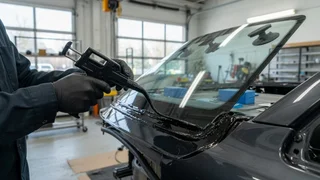
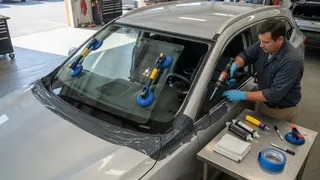
Choose 3M windshield urethane adhesive
Choosing the right windshield urethane adhesive matters because the bond does more than hold glass in place. It restores the sealing surface, supports mounting points, and helps the windshield contribute to structural stiffness during a collision or rollover. Shoppers evaluating 3M 08693 auto glass urethane windshield adhesive reviews are usually comparing cure behavior, adhesive compatibility, and practical handling before committing to a replacement. The most useful review reading focuses on fitment, open time, and the condition of the pinch weld rather than looking for a universal best product. Understanding how the adhesive interacts with the glass specification and the vehicle body makes the purchase decision clearer.
The direct answer
The direct answer for most private owners is that 3M 08693 auto glass urethane windshield adhesive is a plausible choice when the installation follows the vehicle-specific glass repair method and the car is kept out of service long enough for the urethane to develop handling strength. Reviews generally describe it as a high-viscosity adhesive intended to bond glass to a prepared metal pinch weld. The strongest results depend less on the cartridge itself and more on removing old adhesive cleanly, applying the correct primer if the glass specification requires it, and setting the windshield without stressing the fresh bead.
One condition changes the picture immediately: a vehicle with an advanced driver assistance system mounted near the glass. The windshield often acts as an optical window and a mounting surface, so adhesive thickness, position, and cure behavior can affect visibility and sensor alignment. A product that works for a basic replacement may be inappropriate if the camera bracket, lane departure sensor, or rain sensor needs a specific bead profile. Before buying, confirm that the adhesive and the replacement glass work together for the vehicle trim and that the car can sit undisturbed afterward.
Choosing and buying
When choosing and buying, begin with fitment and adhesive compatibility rather than price alone. The cartridge must fit the applicator gun you plan to use, and the urethane must be compatible with the primer and glass bonding surface already selected. Check the age and storage of the cartridge; moisture-cure urethanes have a limited working life and can fail to cure properly if the package was opened long ago or stored in humid conditions. A low price from a closeout seller is not a bargain if the material has aged past its usable window.
Inspect the sealing surface before ordering. Deep rust, pitted metal, or remaining old urethane changes how well a new bead can seal. The buying decision should therefore include the cost of a pinch weld primer, cleaning supplies, and possibly a second person to help position the windshield. If a shop is doing the work, ask whether the adhesive is included in the total installation cost or charged separately. A detailed quote should separate the part from the labor so you can compare the total against a mobile service that brings its own materials.
Reviews are most informative when they describe conditions similar to yours. A reviewer installing glass in a warm, dry garage has a different cure experience than someone working in cold weather or high humidity. Focus on comments about open time, sagging, and whether the final bead allowed the trim and cowl to seat correctly. Those practical details reveal more than a broad statement that the product worked, because the same urethane can behave differently when the ambient temperature and the temperature of the glass and body vary.
Comparing alternatives
Comparing alternatives should center on cure time, required primers, and cleanup behavior. A fast-curing adhesive may be attractive because the vehicle returns to service sooner, but it is less forgiving if the windshield needs repositioning after initial contact. A slower product gives more time for alignment but forces the owner to keep the vehicle unused longer. For a daily driver, the trade-off between safe drive-away time and installation ease is often more important than a minor difference in adhesive volume.
The choice also changes by use case. A body shop replacing glass frequently may prefer a product with predictable open time across many vehicle types, while a home mechanic may choose a cartridge that is easier to store and transport. Consider how the adhesive interacts with the glass specification and the windshield's role at the mounting points for the rearview mirror or sensor cover. The best product is the one that matches the installation conditions, the vehicle's sealing surface, and the amount of time the car can remain stationary while the urethane cures.