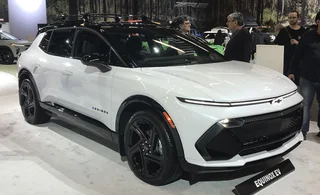
Charging a Chevrolet Equinox EV at Home
The Short Answer
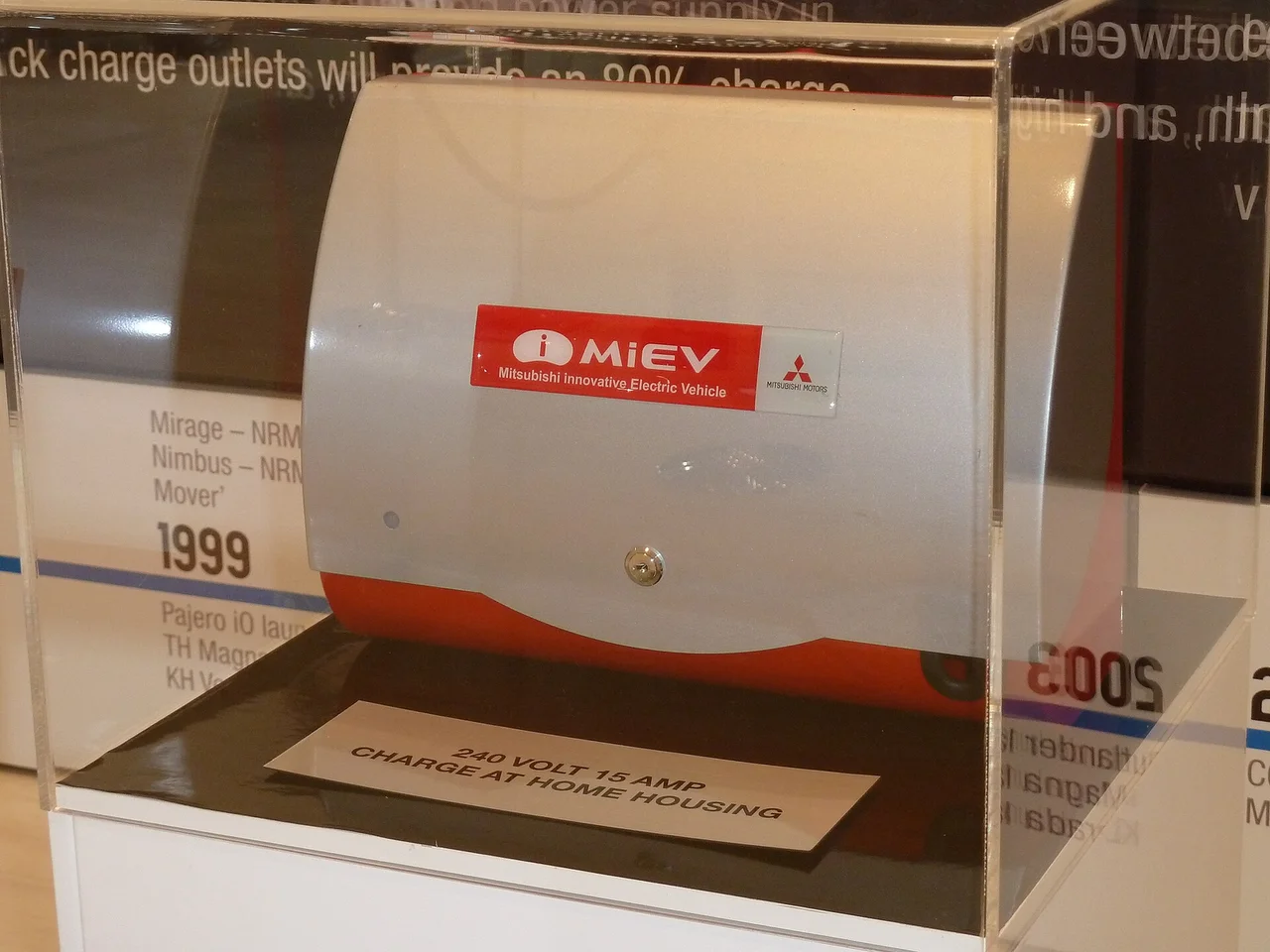
You can charge a Chevrolet Equinox EV at home in two ways: from a standard 120-volt household outlet (Level 1) or from a dedicated 240-volt circuit with wall-mounted charging equipment (Level 2). Level 1 needs no installation work but adds range slowly. Level 2 needs an electrical installation but is much faster, and it is the setup most owners choose for daily overnight charging. DC fast charging, the third type, happens at public stations and is not a home option.
One point changes the answer for your car: how fast it charges at home depends on the charger's output, the circuit behind it, and the onboard charger built into the vehicle. The onboard charger converts household AC power into DC power for the battery, and its maximum rating can vary by model year and trim. The evidence for this article did not include confirmed specifications, charging times, or prices for any Equinox EV version. Check your owner's manual, window sticker, or a Chevrolet dealer for the figures that apply to your vehicle.
How Level 1 and Level 2 Home Charging Differ
Feature | Level 1 (120-volt) | Level 2 (240-volt); Power source | Standard household outlet | Dedicated 240-volt circuit, similar to those used by electric dryers or ranges; Installation | Usually none, if the outlet is in good condition | Typically requires a licensed electrician and possibly a permit; Charging speed | Slow; suited to low daily mileage or topping up | Substantially faster; can usually restore a typical day's driving overnight; Equipment | Portable cord set, if supplied with the vehicle or bought separately | Wall-mounted charging unit (often called EVSE) or a plug-in unit on a 240-volt outlet; Best fit | Short commutes, backup use, or renters without installation options | Daily drivers, longer commutes, or households sharing one charger
Exact charging times for either level depend on battery size, state of charge, temperature, and the power limits above. No verified Equinox EV charging-time figures were supplied for this article, so none are given here.
What a Level 2 Home Installation Involves
Panel capacity check: an electrician confirms that your electrical panel can support a new 240-volt circuit alongside your existing load. Dedicated circuit: Level 2 equipment should run on its own circuit, with a breaker and wiring sized for the charger's rated output. Charger choice: hardwired units are wired directly into the circuit, while plug-in units connect to a 240-volt outlet. Both work; your electrician can advise which suits your panel and garage. Permits and inspection: many US jurisdictions require a permit for new 240-volt circuits. Requirements vary by locality. Placement: mount the charger where the cable comfortably reaches the vehicle's charge port, which affects how you park.
Details to Confirm Before You Buy Equipment
The onboard charger's maximum AC rating for your model year and trim. A charger rated higher than this will not charge the car any faster. The connector type on your vehicle's charge port, so the home charger's plug matches it or a suitable adapter is used. Whether a portable charging cord was included with your vehicle, and what voltages it supports. Local utility programs, such as time-of-use electricity rates or charger incentives, which vary by region and change over time. Any current Chevrolet or GM home-installation offers. None were confirmed for this article.
Which Option Fits You
If you drive modest distances and park near a reliable outlet, Level 1 may be enough, at least to start. If you rely on the Equinox EV as a daily vehicle, or want a full battery each morning without planning around charge times, a Level 2 installation is the more practical long-term choice. In either case, get the vehicle-specific charging specifications for your model year before choosing equipment, and have any new circuit installed by a licensed electrician.