Car door edge trim guard
Choosing a car door edge trim rubber seal protector is about preventing chips, scrapes, and paint damage before they happen. A door edge can strike a garage wall, an adjacent vehicle, or a shopping cart with surprising force even at low speed. Thin paint on a folded metal edge is especially vulnerable to impact and moisture penetration. The right protector should match the door profile, remain securely seated, and tolerate repeated opening and closing. Fit and surface preparation matter as much as the rubber material because a loose edge guard can trap water and dirt against the body panel. Buyers comparing universal trim strips should focus on how the product grips the door edge and whether it can follow curved contours without lifting.
The direct answer
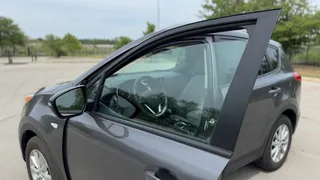
A car door edge trim rubber seal protector is a flexible strip that presses or bonds over the painted outer lip of a door. It is useful when the door edge is exposed to tight parking spaces, low ceilings, or careless contact. The best choice depends on the door edge thickness, the depth of the seating groove, and whether the trim relies on an adhesive backing, internal retaining clips, or a compression fit. A compression style is easy to test and remove, but it must grip tightly enough not to creep along the edge.
For adhesive-backed protectors, material compatibility and surface preparation determine how long the product stays in place. The edge must be clean, dry, and free of wax or silicone before installation. The rubber or EPDM-like material should remain flexible in cold weather and resist hardening from sun exposure. If the trim is too rigid, it may lift at a curve. Before buying, measure the total length needed and check whether the product can be trimmed cleanly at the ends.