Car Battery Sizzling: What It Means and What to Do
The short answer
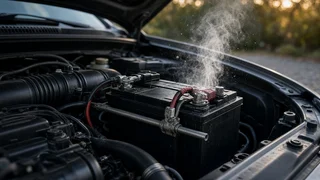
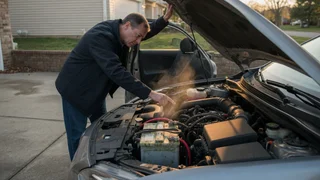
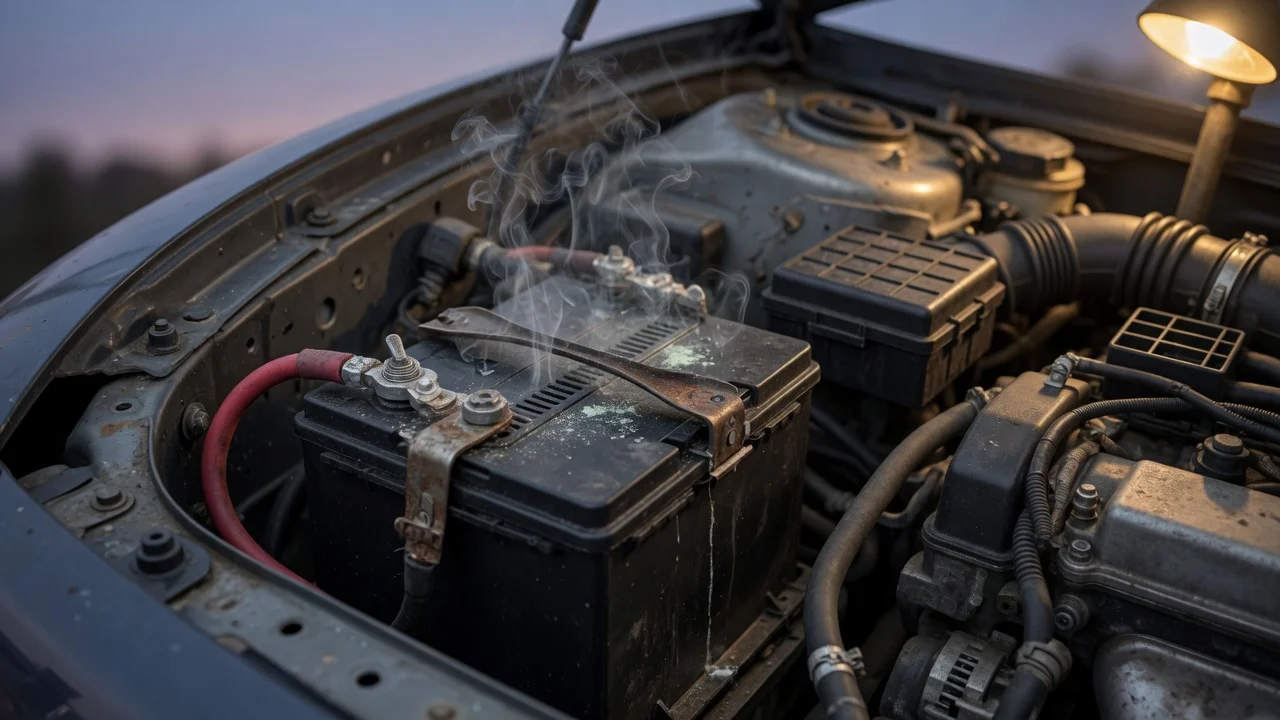
A car battery that sizzles, hisses or bubbles audibly is usually reacting to excess current or heat. In a conventional 12-volt lead-acid battery, the most common cause is overcharging. The electrolyte, a mixture of sulfuric acid and water, starts to gas or boil, and the battery vents hydrogen and oxygen. An internal fault such as a shorted cell can produce the same symptom. Either way, treat the sound as a warning rather than normal behaviour, because the gases released are flammable and the electrolyte is corrosive.
Which battery this applies to
Most of this guide concerns the ordinary 12-volt starter battery found under the bonnet or in the boot of petrol and diesel cars. Hybrids and electric vehicles also carry one of these. If the sizzling, popping or hissing seems to come from a hybrid or electric vehicle's high-voltage traction battery, usually mounted under the floor, the situation is different. Leave the vehicle, keep others away and contact emergency services rather than investigating yourself. Lithium-ion packs can overheat in ways that escalate quickly.
Common causes of a sizzling 12-volt battery
Overcharging: a faulty alternator voltage regulator, or an incorrectly set or malfunctioning external charger, pushes too much current into the battery and makes the electrolyte gas heavily or boil. Internal failure: a shorted or damaged cell can cause localised heating and gassing even when the charging system is working correctly. Heat and age: an old or heat-stressed battery may lose electrolyte and become more prone to gassing and swelling. Leaking or corroded terminals: acid seeping around the posts can fizz as it reacts with the metal, which sounds like sizzling but may originate outside the battery case.
Warning signs that often accompany the sound
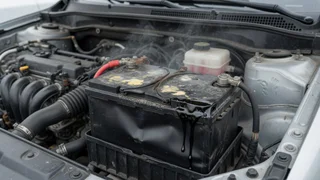
A rotten-egg or sulphur smell, which can indicate the battery is venting gas from overcharging or overheating. A case that is hot to the touch, swollen or bulging. Visible fluid, wetness or fresh white or bluish-green corrosion around the terminals or vents. Steam or vapour coming from the vent caps. Dim lights, warning lights or other electrical faults that suggest a charging-system problem.
What to do if your battery is sizzling
Switch the engine off, or disconnect the charger at the wall socket first if the battery is on a charger. Do not smoke, use a naked flame or create sparks nearby, because hydrogen gas is explosive. Open the bonnet or garage door to ventilate the area if you can do so without leaning over the battery. Do not touch a hot, swollen or leaking battery, and keep your face away from it. Battery acid can burn skin and eyes. Let the battery cool before anyone handles it, and wear eye protection and acid-resistant gloves if you go near it. Have the battery and the charging system checked by a qualified technician before you drive again. If the alternator is overcharging, a new battery would likely be damaged the same way.
Is it safe to keep driving?
It is generally not advisable to drive while a battery is actively sizzling, hot or swollen. Continued overcharging can worsen the damage, release more flammable gas and, in severe cases, cause the battery case to rupture. The cautious course is to stop, let the battery cool and arrange inspection or recovery. The exact charging voltages a healthy system should produce vary by battery type and vehicle, including flooded, AGM and EFB designs and systems with smart charging. This guide does not include model-specific figures, so check the vehicle's documentation or ask a technician for the correct range.
Bottom line
A sizzling car battery almost always signals a problem: most often overcharging, sometimes an internal fault or acid leaking at the terminals. Stop charging or driving, ventilate the area, avoid sparks and contact, and have both the battery and the charging system diagnosed before you use the car again.