Can a Throttle Body Cause Stalling
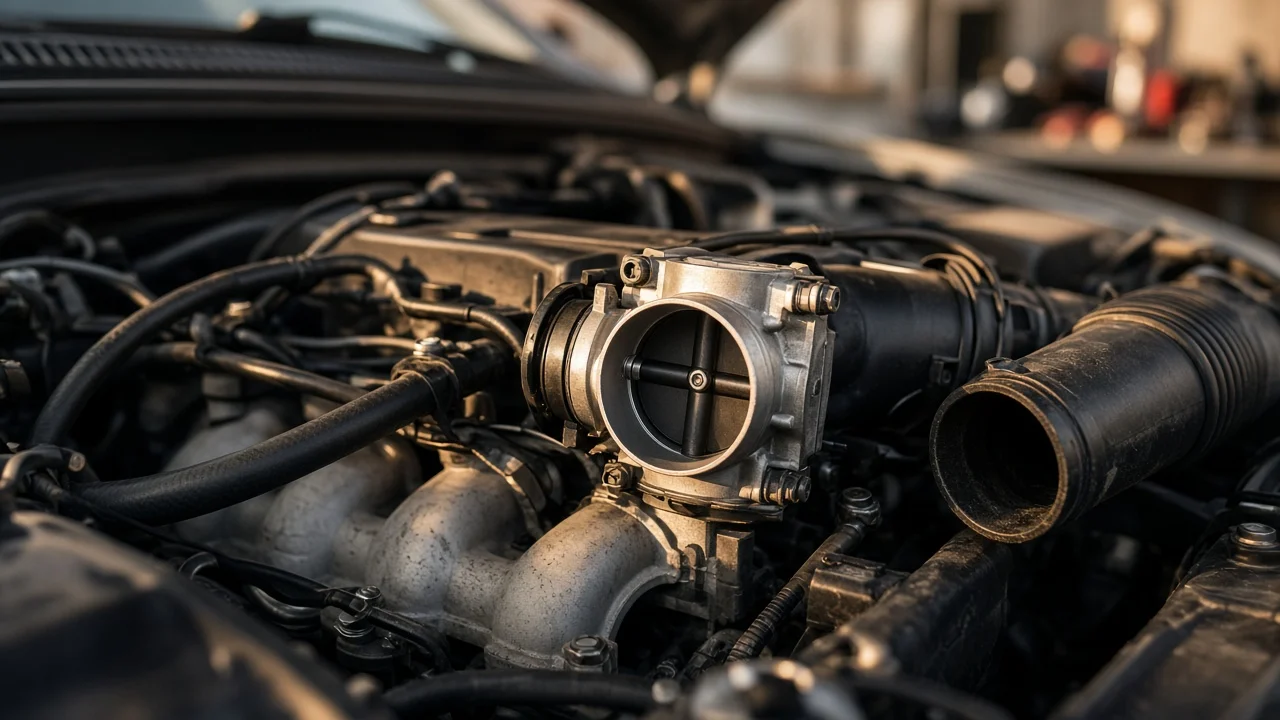
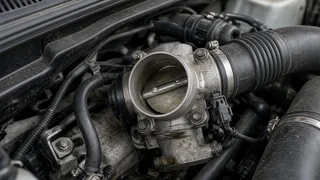
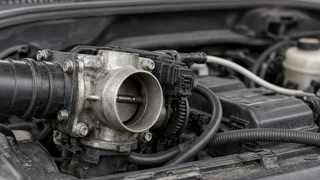
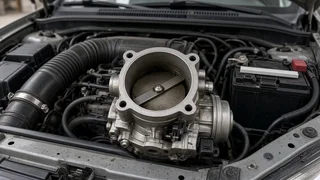
A stalling engine often feels sudden, but the causes usually involve a predictable interruption in air, fuel, or spark. The throttle body is a prime suspect because it manages the air entering the intake passage. When the throttle plate cannot hold a stable idle position or the position sensor sends an incorrect control signal, the engine control module may not deliver enough air to keep the engine running. Carbon accumulation, wear in the electronic motor, or an air leak around the housing can create the same symptom. The question can a throttle body cause a car to stall therefore has a clear answer: yes, under specific conditions that disturb airflow and idle adaptation.
Essential answer
Yes, a throttle body can cause a car to stall, though it is not the only possible source. In a conventional cable-operated setup, the throttle plate normally closes to a small preset angle at idle. If deposits build up around the plate and bore, they restrict the small amount of bypass air the engine expects. The idle may dip below the target speed, and the engine can die when the driver releases the accelerator, especially after coming to a stop or during slow parking maneuvers.
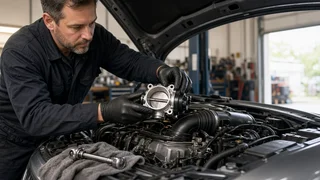
Electronic throttle control introduces additional failure paths. The accelerator pedal sends a request, but the throttle body uses its own motor and position sensor to move the plate. If the control signal is unstable or the sensor reading does not match the commanded angle, the engine computer may enter a reduced-power or shutdown strategy. An intermittent signal, sticky plate, or unmetered air leakage past worn seals can upset idle adaptation enough to produce stalling without setting a fault code. Diagnosis should therefore check the throttle body as a system, not assume replacement.