Can a Throttle Body Cause a Car Not to Start
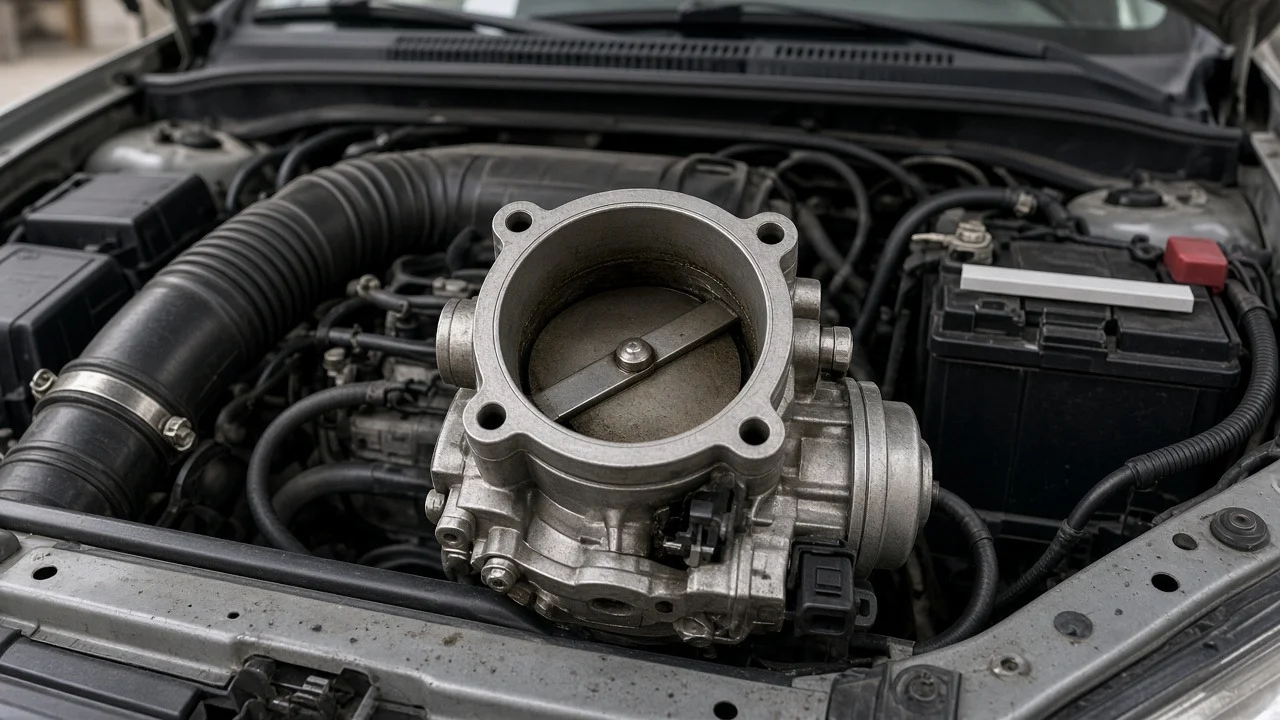
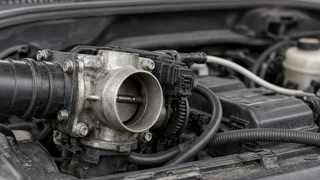
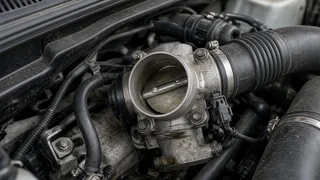
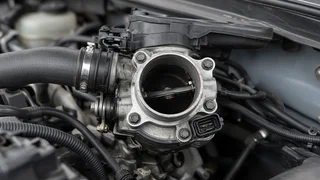
A no-start condition often points toward ignition, fuel delivery, or battery faults, yet the throttle body can still influence whether an engine fires and settles into idle. This component regulates the intake passage airflow that the engine control unit expects during cranking and startup. If the throttle plate sticks, the position sensor reports an implausible value, or heavy carbon blocks the small amount of air needed for cold idle, the air-fuel balance may be wrong enough to prevent starting. Understanding when the throttle body is a likely cause helps avoid replacing parts that are not responsible.
Essential answer
Yes, a throttle body can cause a car not to start, but it is not usually the first mechanical failure to suspect. A completely closed throttle plate leaves only the idle air bypass or a controlled crack for airflow. If that narrow path is heavily restricted by carbon or the plate is seized, the engine may not receive enough air to support the cold enrichment required during cranking. Under those conditions, the starter may spin normally while the engine refuses to catch.
A more common throttle-related starting problem is an incorrect control signal from the position sensor. The powertrain control module uses this signal with coolant temperature and engine speed to calculate the startup air mass. An intermittent or biased sensor can request an unrealistic opening, flooding or starving the engine. A dirty throttle body usually causes poor idle and stalling before a total no-start, whereas a hard electrical or mechanical fault can make the engine fail to fire entirely.