Cadillac 3.6 Timing Chain Problems
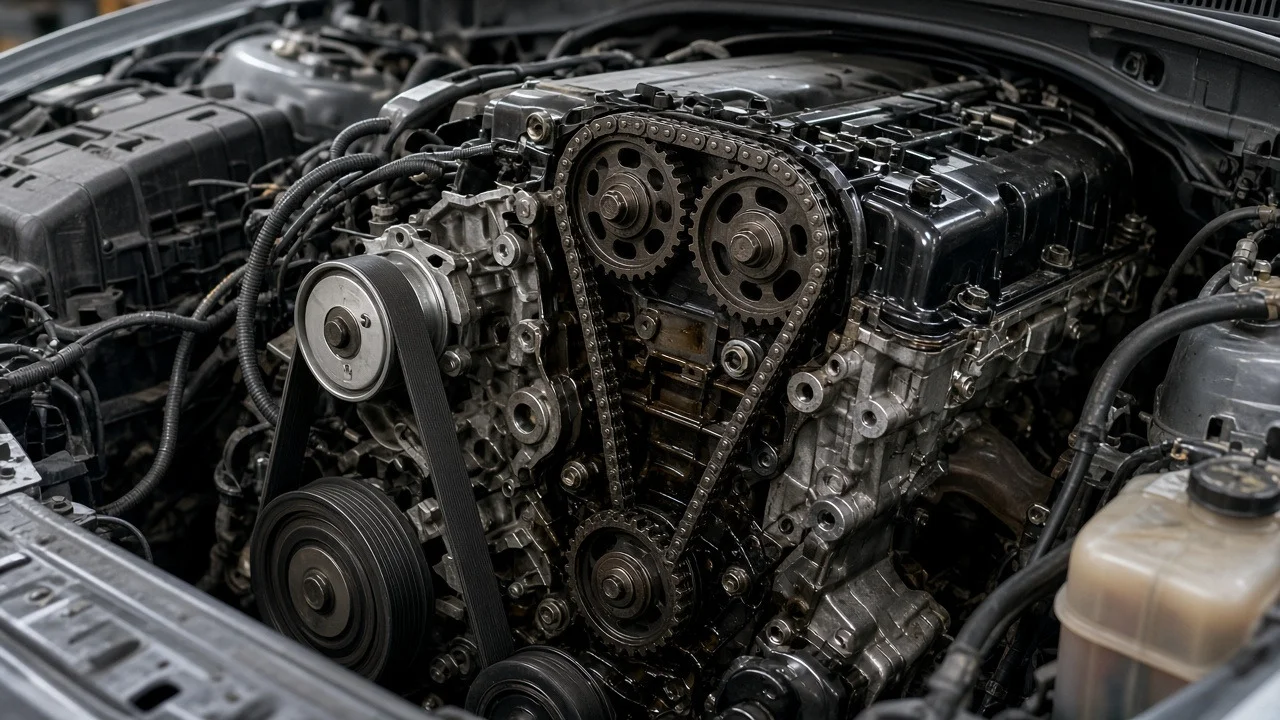
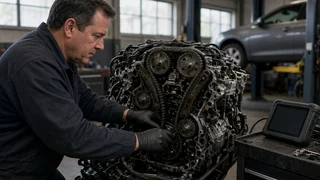
Cadillac 3.6 timing chain problems can transform a quiet V6 into a source of rattling starts, rough running, and corrective trouble codes. The high-feature engine configuration places long chains, guides, and tensioners at the heart of valve control, so wear or oil-pressure loss has cascading effects. Service history and symptom conditions matter because similar noises can point to different failures. Understanding why these chains stretch or skip helps an owner separate ordinary cold-start noise from evidence that needs immediate inspection. Diagnostic codes support an investigation, but they do not by themselves prove which timing component has failed.
Essential answer
The essential answer is that timing chain issues on Cadillac 3.6 engines are a recognized concern rather than a universal defect. The chain system in this engine configuration uses long runs and multiple sprockets, which increases the number of wear points compared with shorter single-chain layouts. Tensioners depend on oil pressure and clean lubrication, while plastic guides carry the chain across spans. When a guide wears, a tensioner loses range, or the chain develops stretch beyond manufacturer specifications, valve timing can drift enough to affect idle quality, power delivery, and fuel trims.
The scope of the problem varies with model year, service history, and operating conditions. Engines with frequent oil changes and prompt attention to cold-start rattle often continue service without chain replacement. Engines that run low on oil, use extended drain intervals, or repeatedly start with degraded oil may show guide wear earlier. The problem should therefore be understood as a maintenance-sensitive wear mode. A timing chain fault is not automatically present just because an engine is known for the issue, and a rattling noise alone does not confirm that the chain has skipped.
Diagnosing a problem
A short rattle immediately after a cold start is the most common early symptom condition. During that moment, oil pressure has not yet filled the tensioner, allowing the chain to move against a worn guide until pressure builds. If the noise disappears within a second or two and does not return when warm, the tensioner may still be functioning but clearance is increasing. Codes for camshaft position correlation, misfire on one bank, or variable valve timing response can point toward timing drift, but they should be treated as evidence to investigate. Other causes, such as a failing actuator solenoid or contaminated oil, can produce similar codes.
Inspection should focus on what can be observed without guessing at internal damage. Oil condition and level are relevant because the tensioner depends on hydraulic force. Comparing requested and actual camshaft positions through a scan tool can show whether one bank is lagging, while listening with a mechanic's stethoscope may localize noise to the front cover area. Manufacturer-dependent codes require vehicle-specific confirmation before condemning a chain or guide. Persistent metallic rattling when warm, rough running with timing codes, or sudden performance loss suggests the vehicle should not be driven further until the timing system is inspected, because a skipped chain can create valve contact risk.