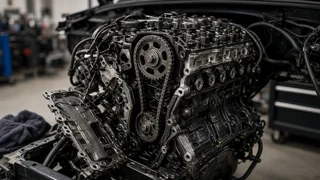
GM 3.6 Timing Chain Problems
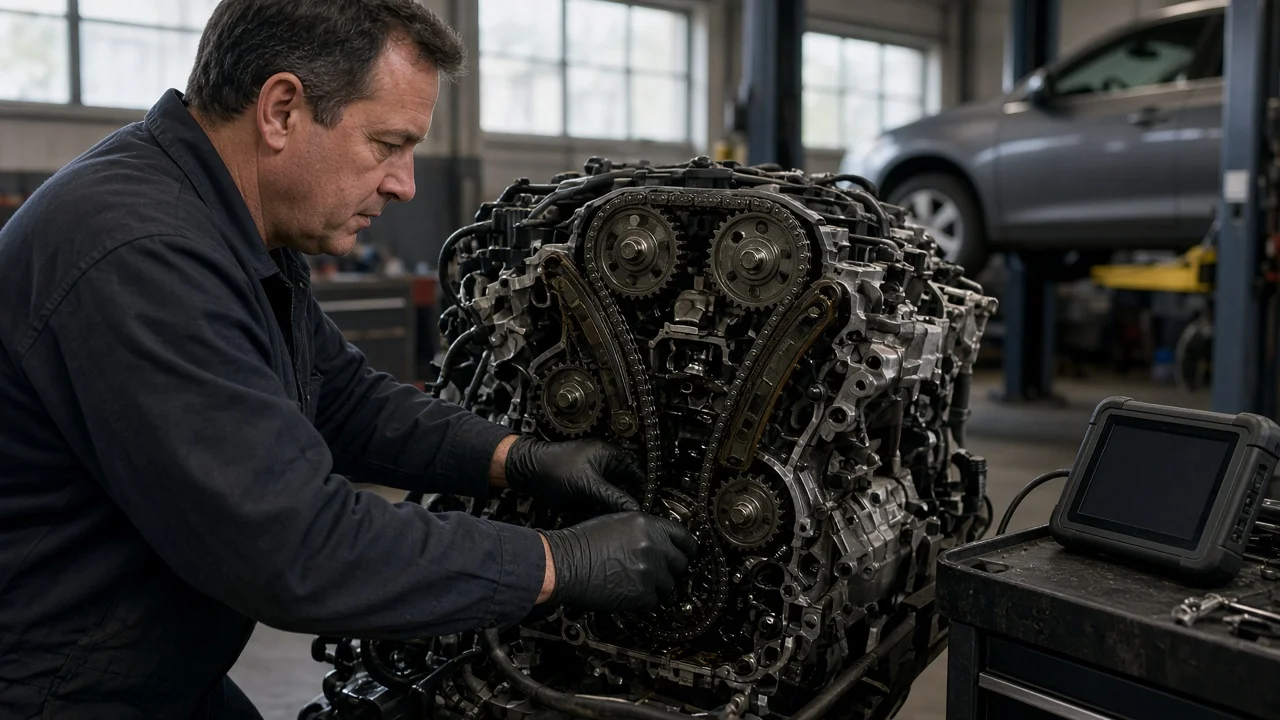
The GM 3.6 engine family has earned a mixed reputation among owners, and timing chain concerns are one of the most frequently searched topics for these V6s. This article explains the nature of gm 3.6 engine timing chain problems, how symptoms tend to appear, and what operational factors can influence wear. Because this engine has appeared in many vehicles across different model years, service history and engine configuration matter when interpreting noises, diagnostic codes, or oil-related warning signs. Understanding the difference between a confirmed fault and an early symptom can help owners decide on inspection priorities without assuming the worst.
Essential answer
Timing chain problems in the GM 3.6 V6 are most commonly associated with stretching, wear in the chain guides, or tensioner degradation. When the chain loses proper tension or the guides become brittle, the valvetrain may develop noise, variable valve timing may become unstable, and diagnostic codes can point toward camshaft and crankshaft correlation faults. The reported concerns are often tied to oil condition, oil level, and extended drain intervals, since the chain and tensioners rely on consistent oil pressure and lubricant performance. A well-maintained engine can still develop wear, but neglect tends to accelerate the process significantly.
The term gm 3.6 engine timing chain problems does not refer to one universal manufacturing flaw across every version of this powerplant. Engine configuration differences, model year changes, and how the vehicle was driven all shape the likelihood of failure. Some owners experience no chain-related repair during high mileage, while others encounter rattle at startup after many miles of service. The essential answer is that these engines can exhibit timing chain wear that produces observable symptoms, but accurate diagnosis requires comparing current behavior against manufacturer specifications and service history before replacing major components.
Diagnosing a problem
A short rattle during cold startup often points to a timing chain tensioner that has not yet received adequate oil pressure. The noise may fade within a second or two as the tensioner pressurizes. If the rattle becomes continuous, appears during warm operation, or is accompanied by rough idle and reduced power, inspection becomes more urgent. A fault code such as a camshaft position correlation error is useful evidence, but it does not by itself prove a chain has stretched. Sensor issues, actuator problems, or low oil pressure can produce similar readings and should be evaluated alongside the chain and guides.
Symptom conditions are important when forming a diagnosis. A vehicle that rattles briefly only on the first start of the day may have a different wear pattern than one that knocks steadily under load. Checking oil level and condition is a reasonable first step because a low level or heavily degraded lubricant can reduce tensioner response. If the behavior continues, a professional inspection may include examining timing cover access, checking for plastic debris from guide wear, and comparing measured timing values with manufacturer specifications. Any vehicle showing sudden metal-on-metal noise, loss of power, or stalling should be stopped and assessed before further operation to avoid more extensive cylinder head or piston damage.