Buy 3/16 brake line fittings
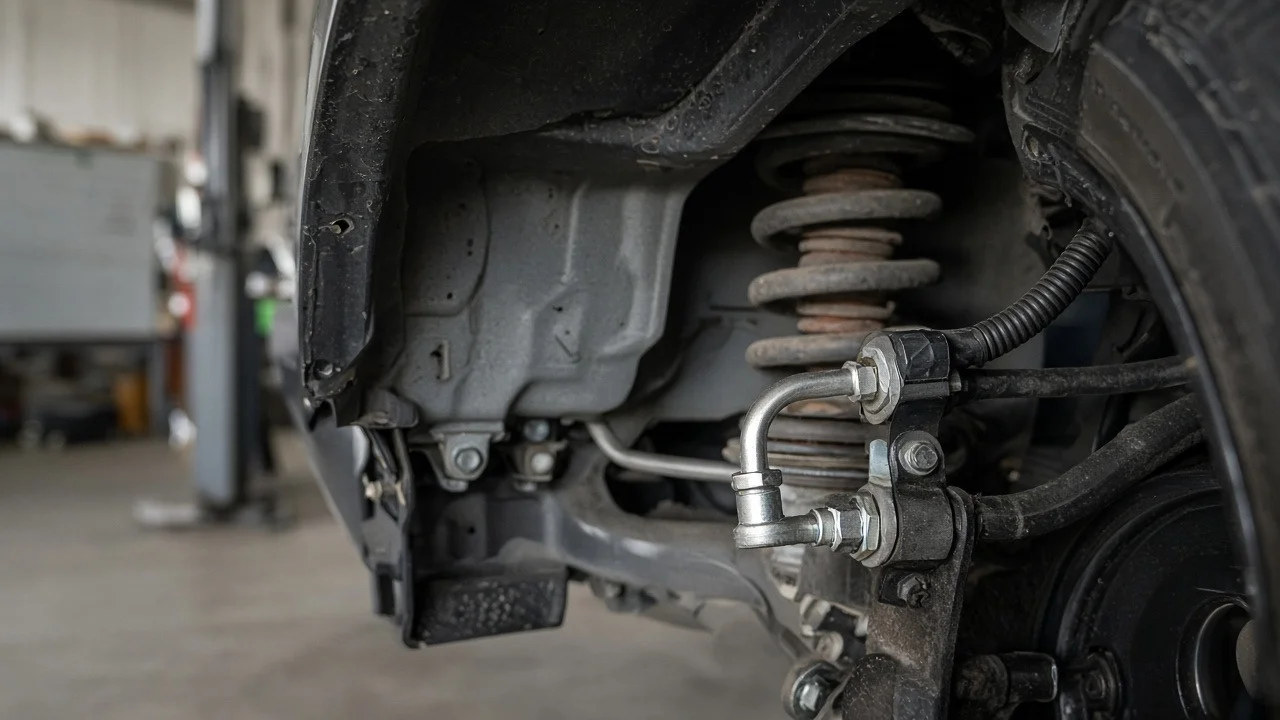
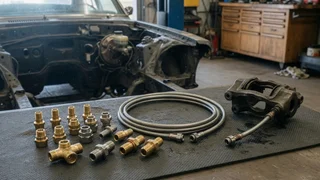
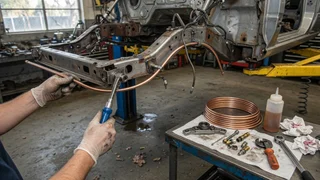
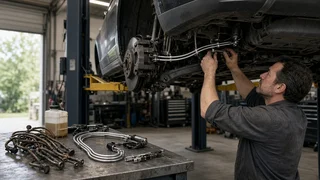
Finding the right 3/16 brake line fittings at AutoZone comes down to matching the flare style, thread size, and material to the existing tubing and the connection point. A fitting that looks close can still leak or strip under hydraulic pressure, so the safe purchase is one that duplicates the original component exactly. This guide explains how to read the hard line and fitting, why the flare seat matters more than the outside diameter, and what to check before you leave the parts counter with a new union, adapter, or tube nut.
The direct answer
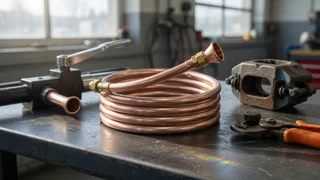
The immediate answer is yes, AutoZone commonly stocks 3/16 inch brake line fittings in the small parts aisle near the straight tubing and brake repair components. The qualifying condition is that 3/16 inches refers to the outside diameter of the steel or nickel-copper line, not the thread or the flare. Two lines of the same diameter can use different inverted flare seats, metric bubble flares, or thread pitches, so a fitting that threads on loosely is not automatically the correct part. You need to identify the connection at the wheel cylinder, caliper, hose, or master cylinder before choosing a fitting.
For most older domestic cars and light trucks, a 3/16 inch line uses a 3/8-24 inverted flare fitting, but this is not a universal rule. Some imports and newer models use an ISO bubble flare or a different sealing angle that requires a matching tube nut. When you are buying a replacement, compare the old fitting side by side with the new one and check that the seat angle and the inverted cone are the same shape. A tight thread fit with the wrong flare will feel secure in your fingers but can fail when brake fluid pressure rises under hard stops.