Buy 3/16 Brake Line Fittings
The short answer
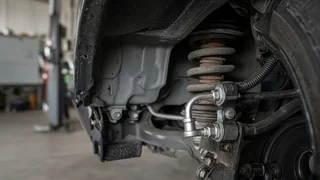
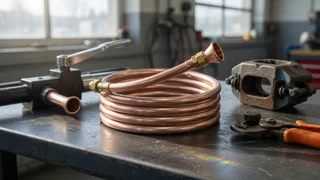
Auto parts retailers such as AutoZone are a common place to look for brake line fittings, but asking for "3/16 fittings" is not enough to get the right part. The 3/16-inch figure is the outside diameter of the brake tubing. The fitting also has to match the thread size and flare style at the component you are connecting to, such as a caliper, wheel cylinder, master cylinder, proportioning valve or union. Two fittings that both suit 3/16 tubing can still be incompatible. Current stock, part numbers and prices at any particular store were not part of the information available for this article, so confirm them with the store before you go.
What "3/16" tells you and what it doesn't
The 3/16 figure tells you the size of the tube the fitting slides over. It tells you nothing about the threads on the outside of the fitting or the shape of the flare that seals against the mating port. Those two details decide whether the fitting will thread in and seal under brake pressure. Both can differ between vehicle makes, model years, markets and even positions on the same vehicle, so check each connection you plan to replace.
The two details you need to match
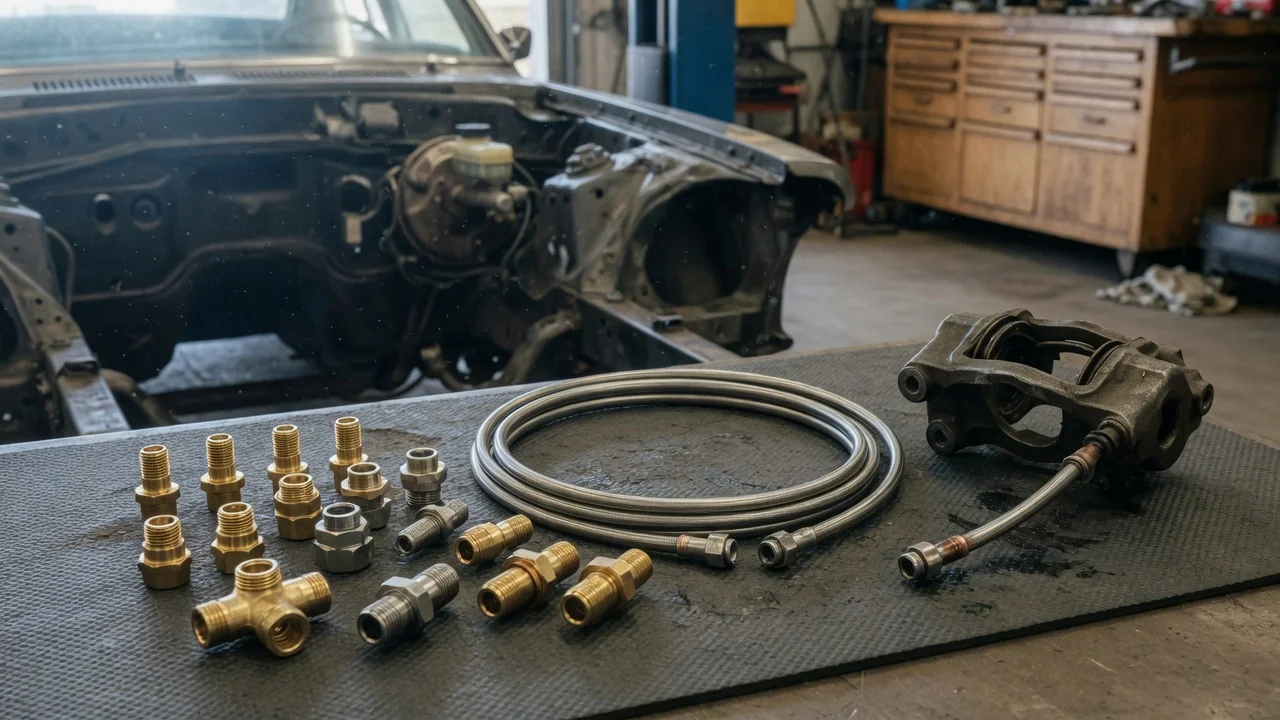
Thread size and pitch: this may be an inch (SAE) thread or a metric thread. 3/8-24 is a common thread for 3/16 line on many North American vehicles. Metric threads such as M10x1.0 are common on many European and Asian vehicles. Other sizes also exist, so do not assume either of these fits your vehicle. Flare type: the end of the tube is formed into a flare, a shaped end that seals against the port. The two main styles are the double, or inverted, flare (SAE 45-degree) and the bubble flare (ISO or DIN). They are not interchangeable, even if the threads happen to match. Fitting style: most brake connections use tube nuts, also called flare nuts, threaded into a port or a union. A union is a short double-ended connector used to join two lengths of line. Buy the style that matches the job.
Flare type | Typical description | Seat shape; Double / inverted flare (SAE) | Tube end folded back on itself, then flared | 45-degree cone; Bubble flare (ISO/DIN) | Tube end formed into a rounded bubble | Rounded seat
How to confirm the right fitting before buying
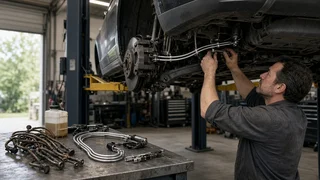
Bring the old fitting, or the tube end with its nut, so the counter staff can compare it side by side with the new part. Check the thread with a thread pitch gauge if one is available. This is the most reliable way to tell inch threads from metric threads that look similar. Look up your exact year, make, model, market and powertrain in a service manual or parts catalog. Fitting specifications can change between production years and between markets. If you are replacing a section of line, confirm that the flare tool you plan to use makes the same flare type the fittings require. Ask the store to check stock at your location before you make the trip. Online listings and local shelf stock do not always match.
A safety note
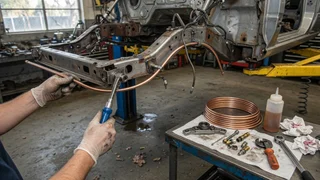
Brake lines carry high hydraulic pressure, and a fitting that is mismatched or poorly flared can leak or fail. Compression fittings are generally not considered suitable for hydraulic brake lines; use properly flared connections. After any brake line work, bleed the system and check every joint for leaks before driving. If you are unsure about the thread size, flare type or quality of your flares, have a qualified technician inspect the work.
Information not covered here
This article does not include confirmed AutoZone part numbers, prices, brands or in-store availability. It also does not list fitting specifications for any particular vehicle. Confirm those details with the retailer and with documentation for your exact vehicle.