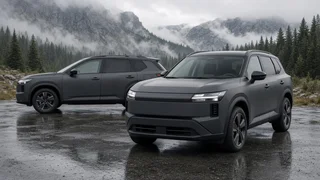
Boxy Nissan cars
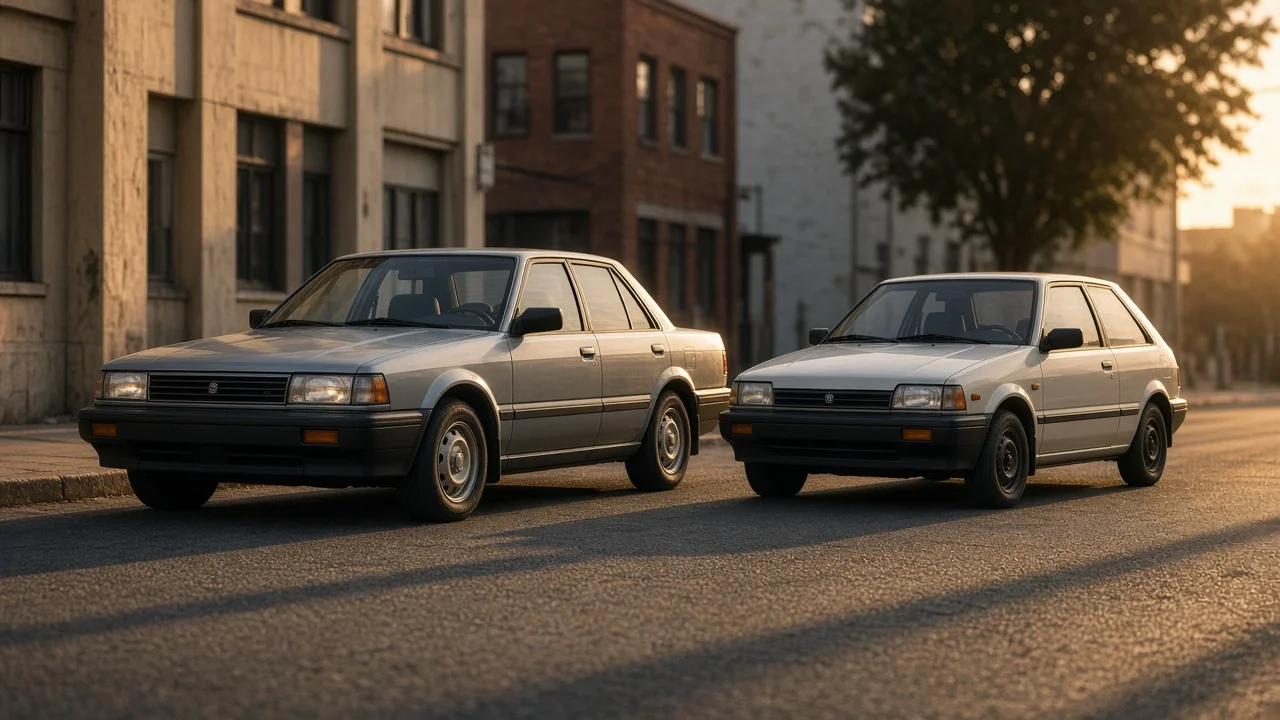
Searching for a “box car nissan” usually means you are picturing squared-off Nissan models that prioritize interior space and upright styling over sleek curves. These vehicles span several model generations and body styles, from compact hatchbacks to larger SUVs and vans. Because the term is informal, it can apply to different nameplates depending on the model year and market specification. Understanding the shared design logic helps you evaluate which squared Nissan fits your needs, whether you are researching used examples or simply trying to identify a vehicle you have seen on the road.
Essential answer
The essential answer is that “box car nissan” is not one official model but a descriptive category covering several Nissans known for tall roofs, flat sides, and rectangular proportions. The most commonly associated vehicles are the Nissan Cube and the first-generation xB-like Nissan models, though the Cube remains the strongest example. Other upright Nissans, such as the Kicks or older Stanza wagons, can also be described this way depending on their body style and trim level. The relevant meaning shifts with the model generation and the region where the vehicle was sold.
In practical terms, boxy Nissan cars emphasize cabin volume and outward visibility. The upright glass and near-vertical tailgate create a larger usable passenger area relative to the vehicle footprint, which is useful for city driving and carrying tall cargo. However, the same shape increases aerodynamic drag and can produce more wind noise at highway speed. When comparing a boxy Nissan to a conventional sedan or crossover, consider how the powertrain configuration and body style affect daily usability rather than focusing only on the distinctive silhouette.