Boxy Nissan cars
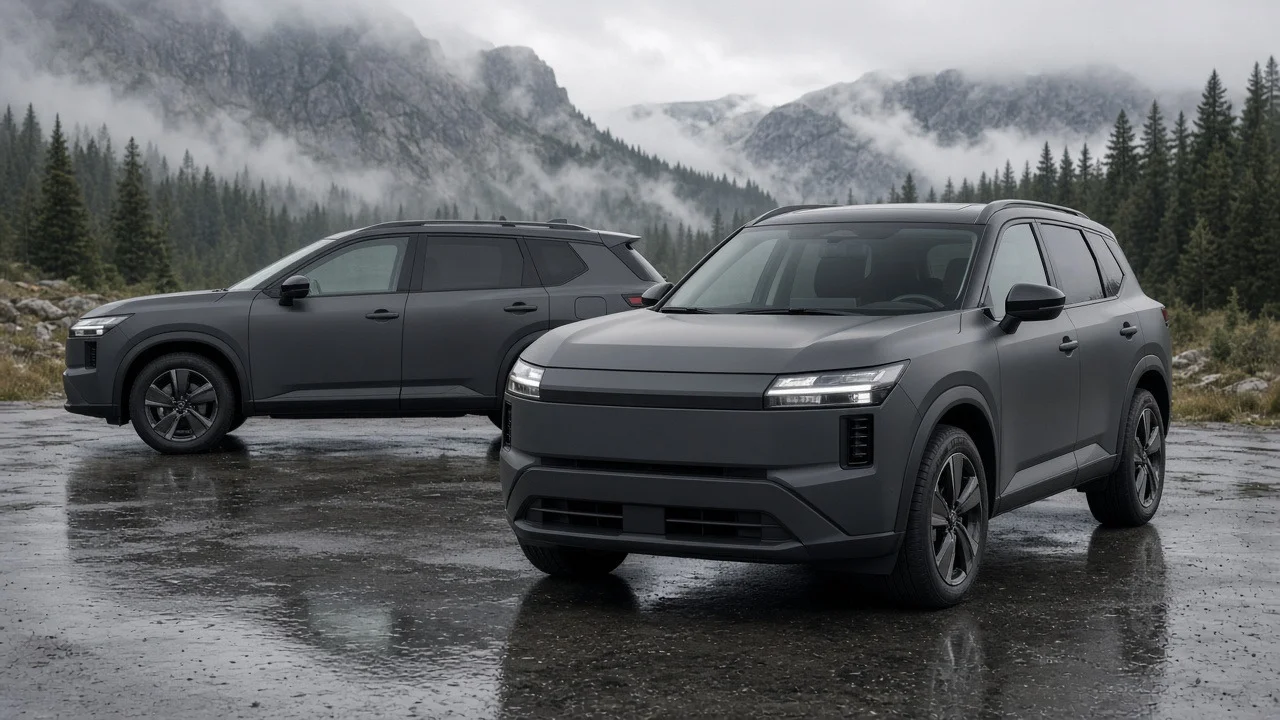
Drivers searching for a box Nissan car are usually recognizing a distinct design language: upright glass, squared corners, tall roofs, and a cabin that prioritizes visibility and cargo space over sleek curves. The term is not a single official model line, but a useful way to group Nissan vehicles whose styling leans angular rather than aerodynamically soft. Some are current crossovers, while others are older wagons, hatchbacks, or SUVs from different model generations. Understanding this look helps narrow a search by body style and practical layout before focusing on a specific trim level, powertrain configuration, or market specification.
Essential answer
A boxy Nissan car generally means a Nissan with a tall greenhouse, flat or nearly vertical side glass, a more upright tailgate, and defined corners at the hood or rear pillars. This shape increases usable interior room, especially for headroom and squared-off cargo space, and often improves outward sightlines. It is not limited to one segment: compact hatchbacks, midsize crossovers, and older four-wheel-drive SUVs can all carry the boxy label depending on the model year and body style.
Because the description is stylistic, the same vehicle can look more or less boxy across a model generation. A trim level may add roof rails, cladding, or wheel designs that emphasize the squared stance, while another market specification can alter lighting or bumper shapes slightly. Buyers comparing these vehicles should focus on the practical benefits of the shape, such as easier loading, predictable parking boundaries, and a more open-feeling cabin, rather than treating “boxy” as a precise engineering category.