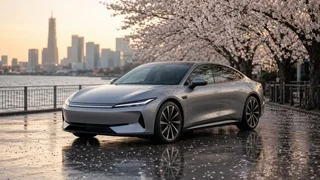
Japanese boxy cars
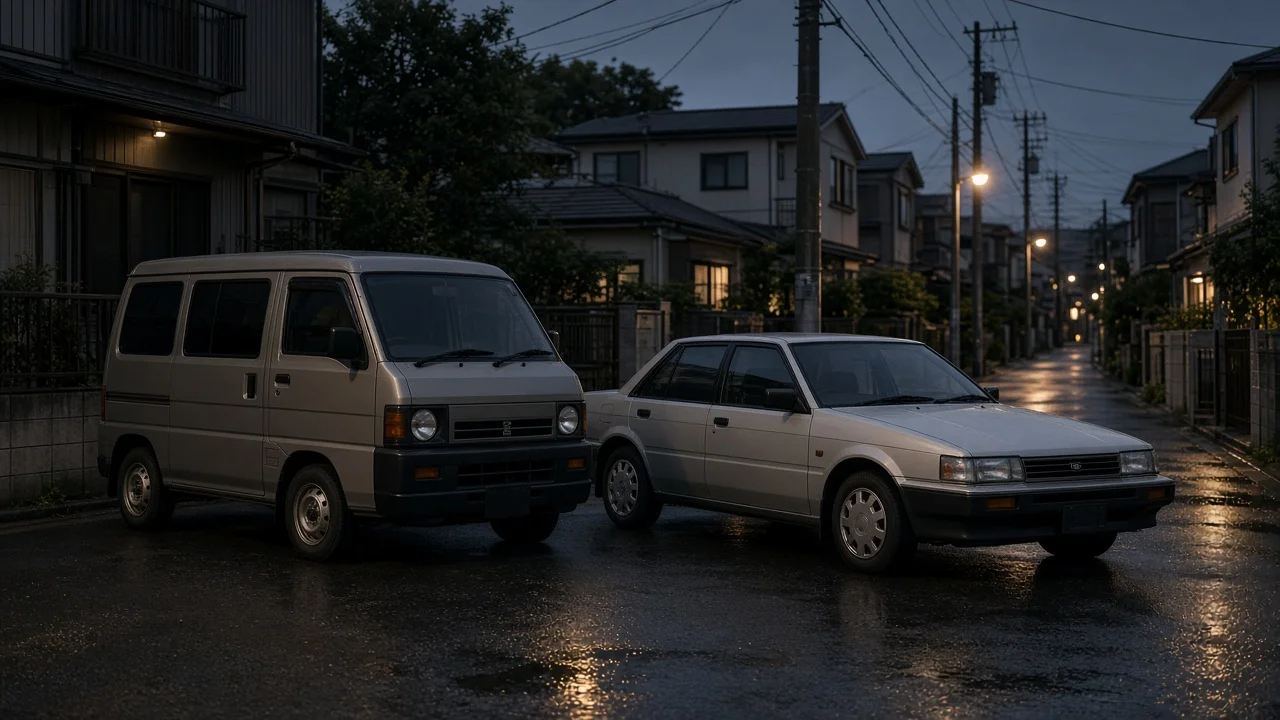
Searching for a Japanese box car usually means looking past ordinary sedans and crossovers toward upright, space-efficient designs that prioritize interior room within a compact footprint. These vehicles blend tall rooflines, near-vertical pillars, and squared-off rear hatches into a distinct body configuration. In the US market, the term often points to small vans, kei-inspired imports, or retro-styled models known for their practical layout, generous headroom, and easy loading. Understanding how a boxy shape affects visibility, cargo use, and everyday maneuverability helps narrow the choices across different model years, powertrain options, and regional availability.
Essential answer
A Japanese box car is generally understood as a vehicle with a tall, rectangular body configuration rather than a sleek or sloped profile. The boxy proportion is not merely cosmetic; it creates a more vertical passenger cabin and a wider, taller rear opening. Some examples come from Japan’s kei-car class, which uses compact dimensions but maximizes usable space through flat sides and minimal tumblehome. Others are larger compact vans or retro hatchbacks sold outside Japan. Market segment and equipment level vary widely, so the term covers both basic city runabouts and more comfortable family-oriented models depending on the model year and powertrain options offered in a given region.
Because the shape trades aerodynamic smoothness for interior efficiency, these vehicles tend to feel airy and easy to judge from the driver’s seat. The upright glass area improves outward visibility, while a low, flat load floor simplifies lifting bags or boxes through the tailgate. That same upright stance can make crosswind sensitivity more noticeable, though modern suspension tuning often reduces the effect. For a shopper comparing Japanese box cars, the useful starting point is not a single nameplate but a shared design approach: modest exterior length, tall cabin height, and seats that fold or slide to expand cargo space without making the vehicle bulky.