BMW battery drain warning

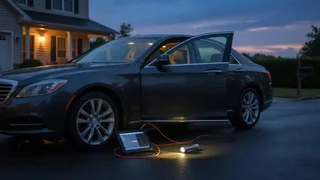
A BMW battery drain warning means the vehicle has detected current flowing from the 12-volt battery while the car is parked and switched off, or that the battery is losing charge faster than normal standby systems should allow. The message is a symptom, not a confirmed component failure, and it requires interpreting the conditions under which it appeared. Understanding normal system voltage, key-off electrical loads, and the difference between a weak battery and excessive parasitic draw helps owners decide whether a recharge, a test, or further diagnosis is the appropriate next step.
Essential answer
The warning is a starting point rather than a verdict. It often appears when the battery’s state of charge falls below a threshold while the vehicle is parked, or when the power management system records an unexpected draw after shutdown. The message can be triggered by a battery that is aging and no longer holds a charge well, by recent short trips that prevented full charging, or by an electrical consumer remaining active after the ignition is off. Each cause produces a similar warning but requires a different response, so the first step is to separate battery condition from a genuine key-off drain.
A weak battery and a parasitic draw can look identical on the dashboard, yet they are not the same condition. If the battery is simply discharged or aging, recharging or replacement may resolve the warning. If a module, aftermarket accessory, lighting circuit, or comfort system stays awake, the drain will continue even with a healthy battery. Treating the warning as evidence that current is being consumed at the wrong time is useful, but it does not identify the source or prove that the battery itself has failed. Observing repeat occurrences and the conditions before parking narrows the possibilities.
Diagnosing a problem
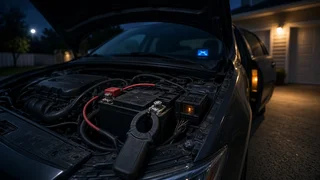
Start with battery terminals and state of charge. Corroded or loose connections create resistance that can make a good battery appear discharged and interfere with charging output, so a clean and secure terminal is a basic check before chasing a drain. System voltage measured at rest can indicate whether the battery is merely discharged or has lost capacity, but exact voltage thresholds vary with temperature and vehicle state, so readings should be interpreted as a range rather than a definitive test. If the warning appears only after extended parking or cold nights, a marginal battery is a likely contributor.
A repeat warning on a fully charged and well-connected battery points toward parasitic draw. In that case, the goal is to identify when the drain is occurring and whether it exceeds the small standby load that modern control modules normally use. After shutoff, electrical systems pass through stages before entering sleep; a reading taken too early can mistake a normal shutdown sequence for a fault. Because some manufacturer-dependent codes and power management behaviors require vehicle-specific confirmation, a persistent warning is best resolved by looking for patterns, checking accessible connections and charging, and avoiding assumptions that a fault code or message names a failed part.