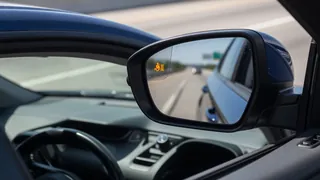
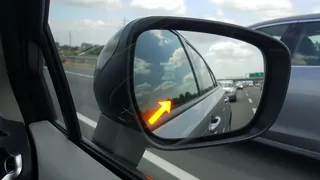
Blind spot radar sensor
A blind spot radar sensor is the hidden set of eyes that watches the areas alongside and behind a vehicle where mirrors leave dangerous gaps. When a car enters that zone, the system typically lights a warning in the side mirror or door trim. Understanding where the sensor sits, how it builds its detection field, and what can disturb its view helps drivers trust the alert without ignoring system limits. This overview explains the sensor’s core function, common operating conditions, and the diagnostic meaning of related warnings.
Essential answer
A blind spot radar sensor is a short-range radio-frequency device mounted to detect vehicles occupying adjacent lanes that are difficult to see in door mirrors. It transmits a signal and measures the reflection from moving metal objects. When the return signal matches the signature of an approaching or passing vehicle, the system commands a warning indicator, usually an amber icon in the side mirror glass or A-pillar trim. This is not camera-based object classification in every implementation; many systems rely purely on radar returns filtered for speed, angle, and distance, which keeps the logic fast and usable in poor light.
Sensor position matters because the radar needs a clear, angled field aimed rearward and slightly outward from the body. Most sensors are hidden behind the rear bumper cover, one on each corner, while some designs place them behind the rear wheels or integrated into mirror housings. The radar beam ignores static objects like guardrails and parked cars to reduce false triggers, focusing instead on relative motion approaching from behind. A covered, shifted, or misaligned sensor can narrow that detection corridor, causing late warnings, missed targets, or alerts that appear with no visible vehicle nearby.