Adding Blind Spot Monitoring to a Car: Aftermarket Options and Installation
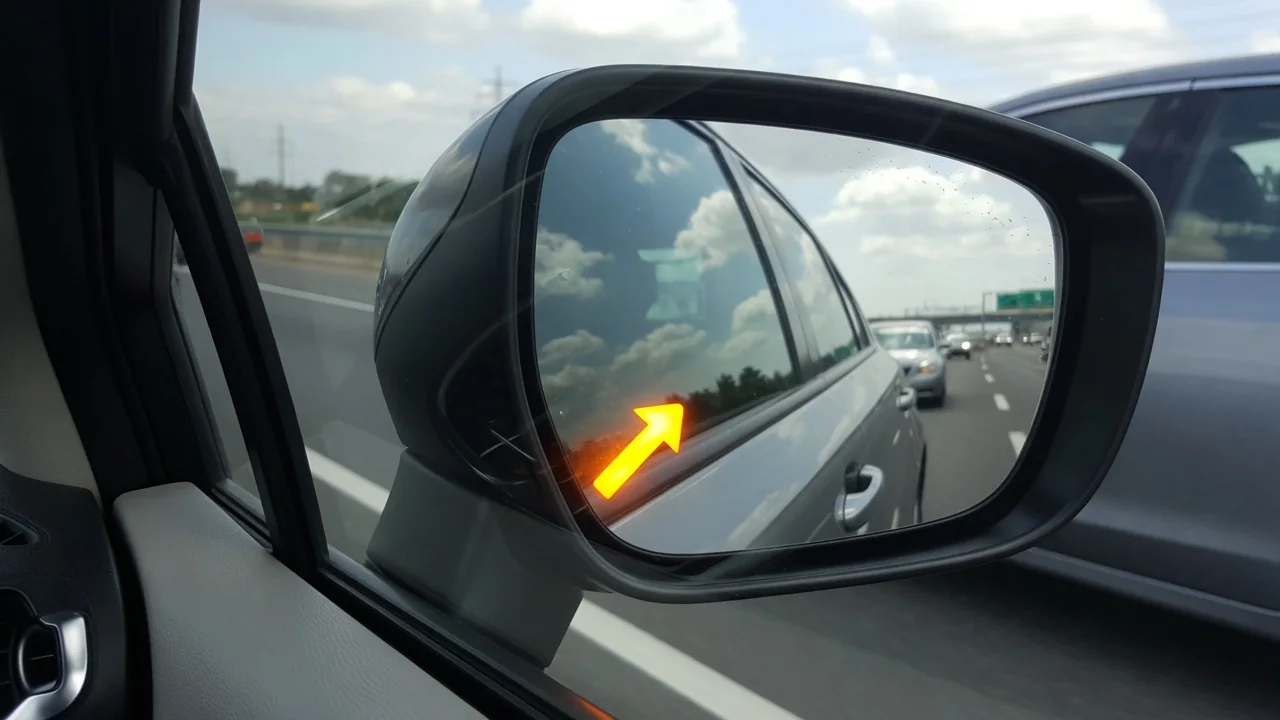
Blind spot monitoring has become one of the most requested driver assistance features, and owners of older or lower-trim vehicles often wonder whether they can add it later. The short answer is usually yes, through an aftermarket blind spot monitoring system, though factory integration is another matter. Here is how these kits work, what installation involves, what drives the cost, and what living with the system day to day looks like.
Can You Add Blind Spot Monitoring to a Car After Purchase?
Can you add blind spot monitoring to a car after purchase? In most cases, yes. An aftermarket kit can be fitted to nearly any car, truck, or SUV with room at the rear corners for sensors and a sensible place for indicators. Adding the manufacturer's own system later is a different story. Factory blind spot detection usually depends on specific bumpers, mirrors, wiring harnesses, and control modules, so retrofitting it after the sale is often impractical or simply not supported by the automaker.
A factory system talks to the vehicle's computers, shows warnings in the side mirror glass or instrument cluster, and may tie into lane change assist. A standalone aftermarket kit runs on its own. It draws power and a few signals from the car and uses its own indicators. Good candidates have plastic bumper covers that radar can see through, accessible wiring, and mounting space clear of brackets or crash structures. Before buying a universal kit, ask a dealer whether a factory option or dealer retrofit exists for your exact model year and trim.
How Aftermarket Blind Spot Monitoring Systems Work
Most aftermarket blind spot monitoring systems use either radar or ultrasonic sensors, and a few rely on cameras. Radar, or microwave, sensors usually mount behind the rear bumper cover. They send out radio waves that bounce off vehicles in adjacent lanes, which lets the module judge distance and closing speed. Ultrasonic sensors work like parking sensors, using sound pulses, and generally have shorter reach. Camera-based units analyze an image of the lane beside you. Each approach trades off range, cost, and mounting complexity differently.
Warnings typically appear as a side mirror indicator, an A-pillar LED, or an audible alert. Mirror lights sit where your eyes already go during a lane change. A-pillar LEDs are easier to install but can feel less intuitive. Some kits add a turn signal trigger that sounds a tone if you signal toward an occupied lane, and some advertise rear cross-traffic alert for backing out. Detection range, minimum speed, and bad-weather reliability vary, so the system supports mirror and shoulder checks rather than replacing them.
Adding Blind Spot Monitoring to a Jeep Wrangler, Toyota, or Ford F-150
People often ask whether they can add blind spot monitoring to a Jeep Wrangler, a Toyota, or an F-150, and the honest answer depends on the specific vehicle. Factory availability varies by model year, trim level, and option package, so check the window sticker, build data, or a dealer rather than assuming. A newer vehicle may already offer the feature on a higher trim, sometimes with related wiring in place. An older one may never have offered it from the factory at all.
Trucks and off-road builds raise extra fitment questions. Aftermarket steel bumpers, lift kits, tow hitches, trailers, and rear-mounted spare tires can block rear corner sensors or trigger false alerts. Some kits are marketed as vehicle-specific, with brackets or harnesses for a particular Jeep, Toyota, or Ford, so check the kit maker's fitment information for your exact vehicle. Retrofitting genuine dealer parts may also require module programming, and only a dealer or specialist can confirm whether that is possible on your configuration.
What Blind Spot Monitoring Installation Involves
A typical blind spot monitoring installation has three parts. Sensors mount at the rear corners, usually behind or on the bumper cover, aimed toward the adjacent lanes. Indicators go where the driver can see them easily, such as the mirrors or A-pillars. Wiring then runs from the sensors and indicators to a control module. It connects to power, ground, and signal sources like the turn signals or reverse lights, so the system knows when to trigger certain alerts.
Professional installation is often the better choice. The job can involve removing bumper covers and interior trim, possibly drilling, and routing wires near airbags and other safety systems, and the sensor angle must be right for accurate detection. If you plan to do it yourself, first read the kit instructions in full, confirm which tools you need, and review both the kit and vehicle warranty terms. Incorrect wiring can disrupt other electrical systems or put coverage at risk, so anyone who is unsure should use a qualified installer.
What Affects the Cost of Adding Blind Spot Monitoring
How much does it cost to add blind spot monitoring? It depends heavily on the hardware and the vehicle. Radar-based kits generally cost more than ultrasonic ones, better-built sensors and modules carry a premium, and mirror-integrated indicators can cost more than simple A-pillar LEDs. Extra features, such as turn-signal-triggered audible warnings or rear cross-traffic alert, also raise the price. Labor varies with how hard the bumper is to remove, whether flush-mounted sensors need paint matching, and local shop rates.
Where a factory or dealer retrofit exists, it may involve genuine parts, harnesses, and programming time. That can make it noticeably more expensive than a universal aftermarket kit, though it usually integrates more cleanly. A universal kit costs less up front but depends on the installer's skill for a tidy result. Whichever route you take, ask for written quotes that list parts, labor, and any calibration or programming fees. That way you can compare offers fairly and avoid surprises when the bill arrives.
Testing, Calibration, and Living With an Aftermarket System
After installation, check the system before you rely on it. A practical test is to have a helper drive alongside in each adjacent lane in a safe, controlled setting while you watch the indicators. Sensor calibration and aim matter because a sensor pointed slightly too high, too low, or too far inward can miss vehicles or pick up the wrong lane. Some kits include a calibration routine, and the installer should confirm that it was completed and that both sides respond consistently.
Expect occasional false alerts from guardrails, concrete barriers, or parked cars. Performance can also drop when dirt, snow, or ice covers the sensors, so keeping the rear corners clean is an easy check you can do yourself. Go back to the installer if the indicators never light, the warnings stay on constantly, or new electrical problems appear after the install. Also ask your insurer and review your vehicle warranty about aftermarket safety add-ons, and keep receipts and installation records in case questions come up later.