Blind Spot Monitor Not Working: How to Diagnose Faults and Warnings
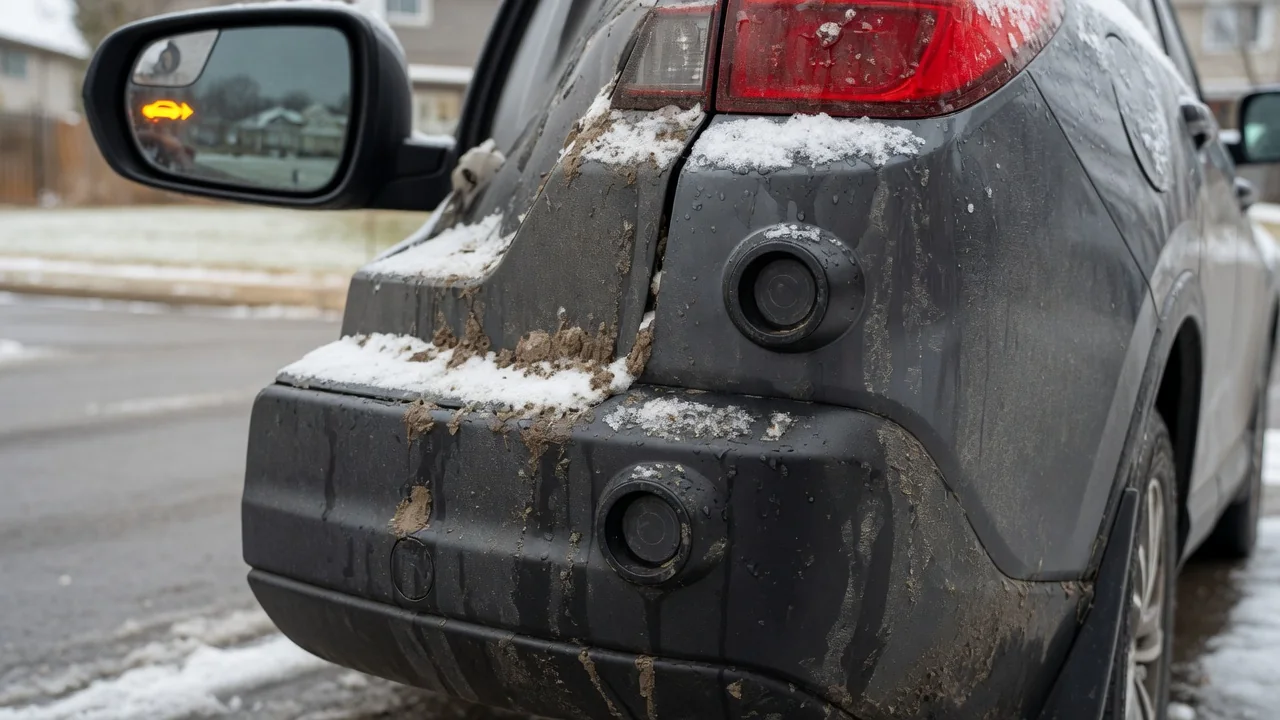
When blind spot monitoring is not working, the car may show a malfunction message or a sensor blocked alert, or it may simply stop lighting the side mirror warning indicator. The cause can be as simple as a dirty rear bumper or as involved as a sensor calibration fault. Learn how to read the warning, what you can check safely and when a professional scan is the right next step.
What a Blind Spot Monitoring Malfunction or Fault Message Means
Most blind spot monitoring systems use a rear corner radar sensor mounted behind each side of the rear bumper cover. These sensors watch the next lanes over and send data to a driver assistance module. That module lights an indicator in the side mirror or on the windshield pillar when a vehicle enters the zone. Many systems use the same sensors for rear cross traffic alert, so a blind spot monitoring system malfunction often turns off both features at once.
An "unavailable" or "sensor blocked" message usually means the system has paused itself because it can't see clearly. It often comes back on its own. A malfunction warning that stays on after you restart the vehicle is more serious and suggests the module has recorded a fault. Either way, assume the system won't warn you, and rely fully on your mirrors and shoulder checks. Wording and icons vary by manufacturer, so your owner's manual is the reference for what your display means.
Safe Checks for a Blind Spot Monitoring Sensor Malfunction
Start with a visual check while parked in a safe place. Look at the rear bumper corners, where the sensors usually sit, for dirt, snow, ice, road salt or mud. Even a thin layer can trigger a blind spot monitoring sensor malfunction message in winter. Also look for anything in the sensors' path, such as bumper stickers, aftermarket bumper covers, bike racks and trailers. Heavy rain or road spray can briefly confuse radar, so note whether the warning appeared in bad weather.
Next, check the bumper itself. Scuffs, cracks, a corner that sits unevenly or signs of a recent collision or bumper repair can shift a sensor's aim. Then make sure the feature hasn't simply been switched off in the vehicle settings menu or with a dashboard button, which happens more often than drivers expect. If the warning clears once the bumper is clean or the weather improves, the cause was most likely something blocking the sensor rather than a failed part.
Ford Blind Spot Monitoring System Fault and How a Reset Works
Ford usually calls its system BLIS, short for Blind Spot Information System. A Ford blind spot monitoring system fault typically shows up as a message on the instrument cluster display, sometimes along with a cross traffic alert warning. Many drivers look for a Ford blind spot monitoring system fault reset, but there's no universal button sequence to rely on. In practice, a reset means clearing any obstruction, turning the vehicle off, restarting it and seeing whether the message comes back.
If the message returns after the sensors are clean and the settings are correct, the next step is a scan with a tool that can read the relevant module. Disconnecting the battery or clearing codes without finding the cause isn't a fix. It can erase stored diagnostic trouble codes that would help a technician find the problem. Check the owner's manual for your model and year to confirm the exact warning wording and what Ford recommends you do.
Mazda CX-3, CX-5 and Mazda3 Blind Spot Monitoring Not Working
On the Mazda CX-5, CX-3 and Mazda3, the usual complaint is a blind spot monitoring malfunction or sensor warning on the display while the mirror indicators stay dark. If blind spot monitoring isn't working on your CX3, CX-5 or Mazda3, start with the same basic checks. Clean the rear bumper corners, remove anything mounted near them, make sure the feature is turned on in settings and look for bumper damage or signs of a recent repair.
Which driver assistance features you have depends on model, year and trim, so confirm what your Mazda actually includes before assuming something has failed. Some vehicles pair blind spot monitoring with rear cross traffic alert, while others may not. If a Mazda blind spot monitoring sensor malfunction message is still there after cleaning and a restart, a dealer or qualified shop should read the stored codes. They can also check sensor mounting, connections and calibration with equipment designed for the system.
Jeep Cherokee and Wrangler JL Blind Spot Monitoring Issues
Jeep Cherokee and Wrangler JL owners often tow or use hitch-mounted accessories, and both can affect how the rear-corner sensors behave. A trailer, cargo carrier or bike rack can sit in a sensor's view and trigger warnings or turn the feature off. Many vehicles have trailer towing settings that change blind spot coverage, so check the settings menu and owner's manual for the right setup. Off-road mud, water crossings and rear-end impacts can also block the sensors or knock them out of alignment.
When blind spot monitoring stops working on a Jeep Cherokee or JL, note exactly when the warning appears. It might show only with a trailer connected, only in rain or snow, only after a trail run or all the time. That pattern gives a technician useful clues and can save diagnostic time. If the warning stays on with a clean bumper and no trailer attached, the next step is a scan of the relevant module rather than guessing at parts.
VW, Honda Pilot, Range Rover Evoque and Porsche Macan Blind Spot Monitoring Problems
Each brand has its own name for this system, so VW, Honda, Land Rover and Porsche owners should look up their brand's term in the owner's manual first. The order of checks is the same whether your VW's blind spot monitoring isn't working, your Honda Pilot has no mirror alerts, your Evoque shows a warning or your Porsche Macan's system has gone quiet. Check for obstructions, check the settings, look for bumper damage, then get a professional scan.
Recent repairs matter. After bodywork, a bumper replacement or a sensor replacement, some vehicles need sensor calibration with dealer-level equipment before the system works correctly. A windshield replacement can also call for calibration of other driver assistance cameras. Tell the shop about any repair history. Defects, recalls and part compatibility vary by vehicle, so check official manufacturer sources or ask your dealer about open campaigns rather than relying on forum reports.
Diagnostic Codes, Calibration and When to See a Professional
Blind spot fault codes are often manufacturer-specific, so check what a code means for your vehicle before drawing conclusions. A diagnostic trouble code is evidence to interpret, not proof that a sensor has failed. Depending on the vehicle, a code might point to a blocked sensor, a communication problem, a wiring issue or a calibration concern. Many basic code readers can't reach the driver assistance module at all, so you may need a more capable scan tool or a dealer.
At home, you can safely clean the sensor areas, remove accessories, review settings and keep track of when the warning appears. Sensor aiming, wiring checks and calibration are jobs for trained technicians with the right equipment. Don't remove bumpers or probe wiring and connectors yourself, because damage or misalignment can make the system less reliable. Blind spot monitoring is a safety aid, so get a persistent fault checked promptly, and use careful mirror and shoulder checks until it's fixed.