How to Bleed the Brakes on a Honda Accord
The Short Answer
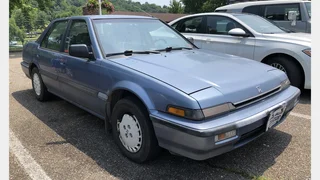
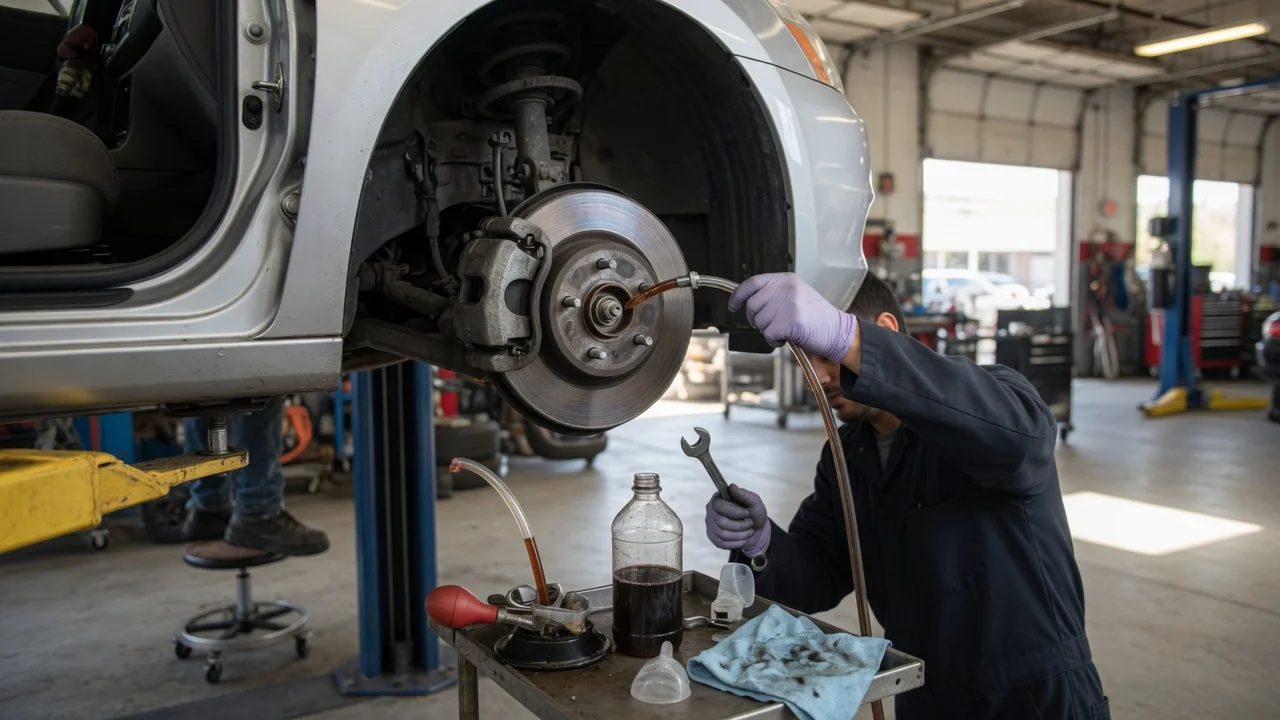
On most conventional, non-hybrid Honda Accords, you bleed the brakes the same way as on most hydraulic brake systems. You open a bleeder screw at each caliper in a set order, push old fluid and air out, and keep the master cylinder reservoir topped up so no new air gets in. The job needs basic hand tools, a length of clear tubing, a catch container, fresh brake fluid of the type Honda specifies, and usually a second person to work the brake pedal.
Two qualifications can change that answer. First, Accord Hybrid models use an electrically assisted brake system, and the bleeding procedure for those cars may differ and may require Honda's dealer diagnostic tool. Second, if air has entered the ABS modulator, a simple four-corner bleed may not clear it on any Accord. That can happen when the system has been run dry or the modulator has been replaced, and a scan-tool-assisted procedure may be needed. Exact steps, specifications and tool requirements depend on model year and generation, so confirm them in the factory service information for your specific car.
What This Guide Covers and What It Does Not
This guide describes the general manual bleeding method for conventional Accords. It does not give bleeder screw torque values, fluid capacities or generation-specific procedures, because those figures vary by model year and were not available to verify here. Look them up in the service manual for your car rather than relying on generic numbers.
Choosing the Right Brake Fluid
Honda specifies a particular brake fluid grade for each model. The correct type is printed on the master cylinder reservoir cap and listed in the owner's manual. Use the grade shown there. Fluid labelled DOT 5 is silicone-based and is not interchangeable with the glycol-based DOT 3 and DOT 4 fluids used in most passenger cars, so never add it to an Accord unless Honda explicitly specifies it.
Brake fluid absorbs moisture from the air over time. That is one of the main reasons periodic replacement is recommended. Use fluid from a sealed container, and keep the container closed between pours.
Tools and Supplies
Fresh brake fluid of the grade marked on the reservoir cap; A box-end or flare-nut wrench that fits the bleeder screws; Clear plastic tubing that fits snugly over the bleeder nipple; A catch bottle or container for old fluid; Jack, jack stands and wheel chocks, or a lift, if you remove the wheels for access; A lug wrench for removing the wheels; Shop rags and water for cleanup, since brake fluid can damage paint; Eye protection and gloves; A helper to operate the brake pedal, unless you use a one-person or pressure bleeder
Bleeding Order
The usual general rule is to start at the wheel farthest from the master cylinder and finish at the closest. However, Honda service procedures for many models specify their own sequence, commonly left front, right front, right rear, then left rear. Because the specified order can vary by generation and brake system layout, check the service information for your Accord's model year before you start and follow the order it gives.
Step-by-Step: Two-Person Manual Bleed
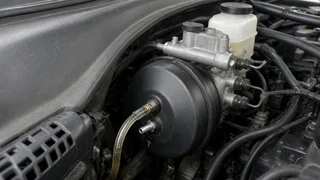
Park on level ground, set the parking brake if the procedure allows, and chock the wheels. Raise the car safely on jack stands or a lift and remove the wheels if you need them off to reach the bleeders. Open the hood, clean around the master cylinder reservoir cap, and remove the cap. Top the fluid up to the maximum mark with fresh fluid. At the first wheel in the sequence, remove the bleeder's rubber dust cap if fitted. Place the wrench on the bleeder, push the clear tube over the nipple, and run the other end into the catch bottle. Have your helper press the brake pedal slowly and hold it down. Open the bleeder about a quarter to half turn. Fluid, and any air, will flow into the tube, and the pedal will sink. Close the bleeder before your helper releases the pedal. Then have them let the pedal return. Repeat the press, open, close and release cycle until the fluid in the tube is clean and free of bubbles. If you are flushing old fluid, keep going until the fluid runs clear and fresh-looking. Check the reservoir after every few pedal strokes and keep it topped up. Do not let it drop low enough to draw air into the system. Tighten the bleeder to the specified torque, refit the dust cap, and move to the next wheel in the sequence. After the last wheel, top the reservoir to the correct level, refit the cap, and wipe up any spilled fluid.
Checking Your Work
With the engine off, press the brake pedal several times. It should feel firm and consistent, not soft or spongy, and it should not slowly sink under steady pressure. Check each bleeder for leaks. Then, before driving at normal speeds, test the brakes at low speed in a safe area. If the pedal is still soft after a careful bleed, there may be air trapped in the ABS modulator, a leak, or a component fault. Have the system inspected before you drive the car normally.
When a Standard Bleed May Not Be Enough
Accord Hybrid models: the electrically assisted brake system may have a different bleeding procedure and may require Honda's diagnostic equipment. Confirm the procedure for your model year before opening the hydraulic system. ABS modulator air: if the reservoir ran dry or the ABS unit was replaced or opened, the modulator may need to be cycled with a scan tool to purge air. Master cylinder replacement: a new or dry master cylinder is usually bench-bled before installation, which is a separate step from bleeding at the wheels. Persistent soft pedal: repeated bleeding that does not firm the pedal points to a problem that bleeding alone will not fix.
Alternatives to the Two-Person Method
One-person bleeder kits use a check valve in the tube so you can work the pedal yourself. Pressure bleeders push fluid through the system from the reservoir. Vacuum bleeders pull fluid out through each bleeder. All three follow the same principles of sequence, keeping the reservoir from running low, and tightening each bleeder before moving on. Whether one is worth buying depends on how often you plan to do the job.
Information Gaps to Fill Before You Start
The material available for this guide did not include model-year-specific bleeding sequences, bleeder screw torque specifications, system fluid capacities, Honda's recommended fluid replacement interval, or the exact procedure for hybrid or ABS-assisted bleeding. Get these from the factory service manual or a Honda dealer for your specific Accord, especially if your car is a hybrid or a recent generation.