Bad Camshaft Phaser Symptoms: Noise, Knocking and Failure
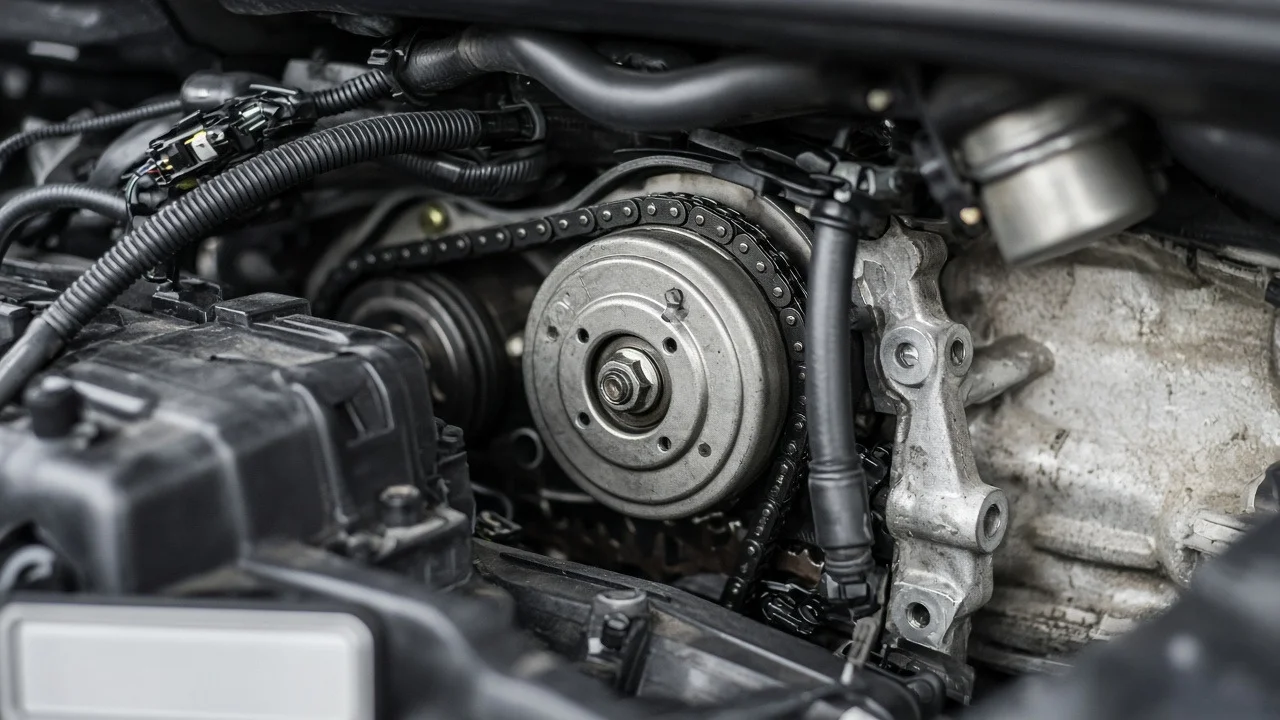
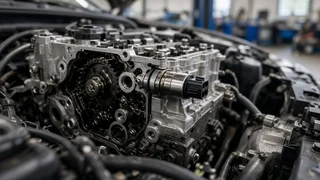
A rattling or knocking sound from the top of the engine often points straight at variable valve timing trouble, and camshaft phaser noise is one of the most direct warnings. The phaser rotates the cam relative to the timing drive in response to oil pressure, so wear, contamination, or a stuck mechanism can alter cam timing before a hard failure occurs. Recognizing early camshaft phaser symptoms helps separate a cold-start clatter from a serious camshaft phaser failure that may damage the timing drive or leave the engine running poorly.
Direct answer
In short, bad camshaft phaser symptoms usually begin as a distinctive rattle, knock, or diesel-like clatter near the front or top of the engine, often most obvious during a cold start. The noise may fade as oil pressure builds, then return when the phaser is commanded to move. Rough idle, hesitation, reduced fuel economy, and an illuminated check-engine light can follow. A phaser that is seized in the advanced position is a specific failure mode where the cam remains shifted from its normal rest angle, producing poor low-speed operation and possible stalling.
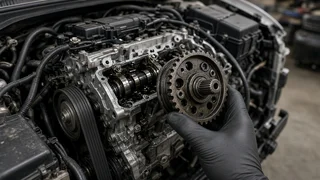
The sound alone is not enough to condemn the phaser because timing chains, guides, lifters, and oil control solenoids can create similar upper-engine noise. The key is that phaser-related knocking commonly changes with engine load and valve timing commands, not simply with rpm. If the noise disappears after the engine warms and oil pressure stabilizes, the phaser may still be leaking internally or slow to lock. If it persists, the locking pin or internal chambers may already be damaged, requiring replacement before the timing drive suffers.
Interpreting symptoms and test results
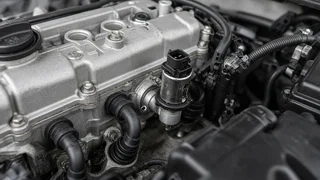
When a fault code appears, treat it as a clue rather than proof that the phaser must be replaced. Codes for camshaft position correlation, over-advanced timing, or slow response can be caused by low oil pressure, a restricted oil control valve, worn timing components, or wiring problems. Because the phaser moves oil through small passages, contaminated or low oil can easily make a healthy unit respond slowly. Checking oil level and condition, plus watching live cam timing data when possible, helps distinguish a sluggish phaser from a failed one.
A camshaft phaser that is seized in the advanced position deserves careful confirmation. The engine may start hard, idle roughly, or ping because the cam is held beyond its commanded angle. The oil control valve should be inspected first, since the same result can come from a stuck valve or a connector issue rather than an internal phaser fault. Vehicle-specific service information is required to confirm whether the problem is mechanical, hydraulic, or electronic before replacing the phaser or touching the timing drive.