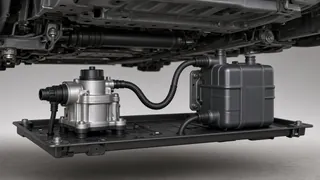
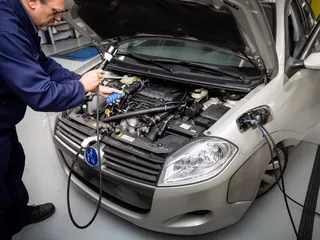
Automotive Smoke Machine for EVAP and Vacuum Leak Detection

An automotive smoke leak tester is a diagnostic tool that reveals where air, fuel vapor, or vacuum can escape from a sealed system. When a vehicle has a rough idle, an emissions-related fault, or a stubborn fuel odor, introducing visible vapor under low pressure turns an invisible leak into a traceable trail. This approach is especially useful for EVAP and vacuum leak detection because small cracks, dry-rotted hoses, loose fittings, and failing seals often make no noise and leave no wet mark. The goal is to identify the leak path before replacing parts, avoiding guesswork and unnecessary component changes.
Direct answer
An automotive smoke leak tester feeds a dense, non-combustible vapor into the evaporative emissions system, intake tract, or vacuum circuit so that escaping smoke marks the leak location. The tester typically uses a regulated low-pressure air supply and a heated mineral-oil or glycol-based fluid to create visible vapor. When a charcoal canister, vapor line, purge valve, vent valve, intake manifold gasket, or vacuum hose allows pressure to escape, the smoke drifts from the exact failure point. This is a practical method for confirming whether a suspected leak exists and narrowing the repair to the affected component.
A diagnostic emissions vacuum leak detection automotive tester is often used after a scan tool points toward a lean condition or an EVAP system code. The smoke machine does not replace code interpretation; rather, it gives the code a physical leak to match. Because manufacturer-dependent EVAP codes differ, the specific monitor and valve positions should be confirmed for the vehicle before testing. A fault code is evidence that a leak may be present, not proof that a particular solenoid or canister has failed. Seeing smoke escape from a cracked hose or loose connection is stronger evidence that a repair is needed there.