Can You Machine a Wheel to Change Offset

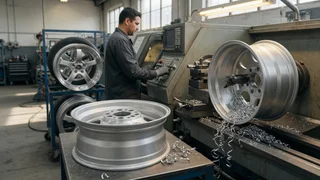
Changing a wheel's offset is not a simple trim or cosmetic adjustment, and removing material from the mounting face can alter the structural relationship between the rim, hub, and suspension. Offset describes where the wheel's mounting surface sits relative to the centerline of the rim barrel. A smaller offset pushes the tire outward, while a higher offset tucks it inward. Drivers often ask about machining because they want a specific stance or clearance without purchasing new wheels. The practical answer requires separating what can be physically cut from what should be altered on a street vehicle where the rim must manage braking, cornering, and impact loads.
Essential answer
Machining a wheel to change offset is possible in a limited physical sense, but it is generally not a reliable way to alter fitment on a road vehicle. Removing material from the hub mounting pad reduces offset and moves the tire outward, yet it also thins the area that carries clamping force from the lug nuts and transfers vehicle weight into the rim. The amount of safe adjustment is small, and many cast or forged wheels do not leave enough excess material for a meaningful change without compromising the mounting face.
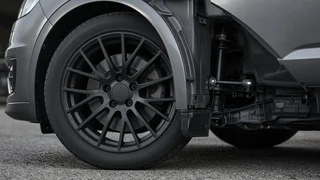
A more workable approach is to adjust fitment through wheels with the correct offset, hub-centric spacers, or a different rim width and bolt pattern combination that preserves tire compatibility. Machining a wheel changes the relationship between the steering axis and the tire contact patch, which can increase bearing load and alter clearance at the fender, suspension upright, or brake caliper. If a wheel must be modified, the decision should follow inspection of the specific casting or forging, not a generic assumption that all rims can be cut safely.