Acoustic Interlayer Windshield: What It Is
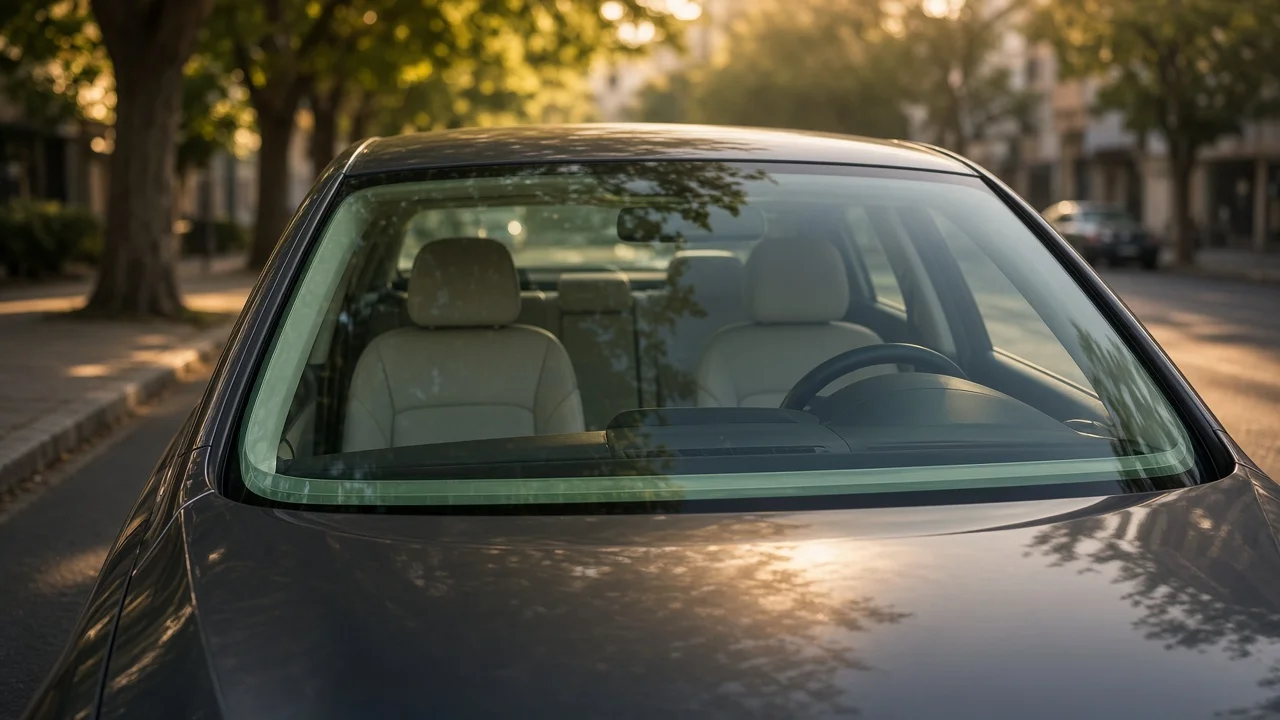
A windshield is more than a wind barrier; it is a structural and acoustic component that shapes how a cabin sounds at speed. An acoustic interlayer windshield uses a specialized vinyl layer inside laminated glass to reduce high-frequency noise transmission. This design targets wind rush, tire roar, and surrounding traffic, making highway travel noticeably quieter. Understanding the construction helps owners distinguish this glass from standard laminated windshields and recognize why replacement choice matters for comfort, fitment, and long-term seal condition.
Essential answer
An acoustic interlayer windshield is a laminated windshield with a sound-damping plastic layer between two sheets of glass. The interlayer does the same safety job as standard polyvinyl butyral by holding glass fragments after impact, while its modified composition absorbs vibration more effectively. The result is a reduction in the cabin noise that otherwise enters through the largest glazed panel on the vehicle. It is not a different glass thickness or an added film on the surface; it is built into the laminate.
The term windshield acoustic interlayer refers to the same construction, so the wording may vary on a window label, build sheet, or replacement estimate. What is acoustic interlayer on windshield becomes important when a vehicle has this glass from the factory and needs service. Not every laminated windshield includes the tuned layer, and appearance alone will not confirm it. The benefit is most relevant at steady highway speeds, where wind and rolling noise dominate rather than urban stop-and-go sounds.
How it works
Sound reaches a windshield as pressure waves in the air. Ordinary glass transmits many of those waves into the cabin, especially at frequencies associated with wind rush and tire contact. In an acoustic windshield, the resilient interlayer shears slightly as the glass panels flex under sound pressure. That internal movement converts some of the sound energy into heat, reducing the amount that passes through the laminate and reaches the occupants.
The isolation effect is greatest in the frequency range where human hearing is most sensitive to road and aerodynamic noise. The glass still needs correct fitment and a healthy seal condition to perform as intended, because gaps or hardened weatherstripping allow noise and water ingress around the edges. Wiper contact and visibility are unaffected by the interlayer itself, but the acoustic damping does not replace proper installation or an intact surrounding seal.
Strengths, limitations and suitability
The main strength of this glazing is a quieter cabin without adding thick, heavy insulation. Since the windshield is already required to be laminated for occupant retention, the acoustic layer adds comfort with little packaging penalty. Drivers who spend long periods on interstates typically notice the greatest benefit, because aerodynamic noise and coarse-surface tire roar are most persistent in those conditions. The effect also helps hands-free calls and audio clarity by reducing competing background sound.
The limitation is that an acoustic windshield cannot cancel every source of cabin noise. Engine vibration, suspension impacts, and loose trim transmit through the body structure rather than the glass. The acoustic layer may also be unobtainable through some aftermarket channels, where vehicle specification matters. Replacement with a non-acoustic laminate can maintain safety but reduce the original noise comfort, so owners should verify the glass they are buying if the vehicle came with this feature.
Procedure
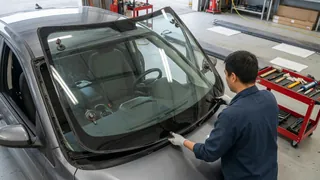
When a windshield needs replacement, identify whether the original part is an acoustic interlayer windshield before approving work. The build sheet, the glass manufacturer's marking, or the quoting process can provide that information. Ask for a replacement that matches the original acoustic laminate specification rather than assuming that any laminated glass is equivalent. A mismatch may seal correctly and look identical while leaving the cabin louder at speed.
The installation should follow the window manufacturer's directions for adhesive preparation and curing. Observe the completed job for a full-contact seal around the glass perimeter and no visible misalignment with the body opening. Check that exterior trim sits flush and that wiper contact is not disturbed. Before driving, confirm there is no water ingress around the edge and that the windshield does not creak when the body flexes. A properly seated acoustic glass should feel rigid and quiet from the first drive.
Diagnosing a problem
If a vehicle that previously felt quiet becomes noisier after glass replacement, the most plausible cause is a non-acoustic laminate or a sealing problem. Ask for the part used and check its marking against the original windshield. A simple replacement with standard laminated glass will look correct but changes the cabin noise signature. If the same acoustic specification was installed, inspect the adhesive seal for incomplete contact that can create the perception of increased wind or road noise.
Whistling or rushing sounds near the glass edge suggest a seal condition issue rather than a change in the interlayer. Check whether the sound changes in crosswinds or when a door closes, which can alter pressure inside the cabin. Water staining on the headliner or along the dash after rain points to water ingress at the glazing perimeter. These observations indicate installation or weatherstrip concerns that need correction, while steadily louder road noise with no leak may mean the glass specification was not matched. Avoid assuming the windshield failed simply because the interior seems louder; confirm the replacement and the perimeter seal first.