Acoustic glass in cars
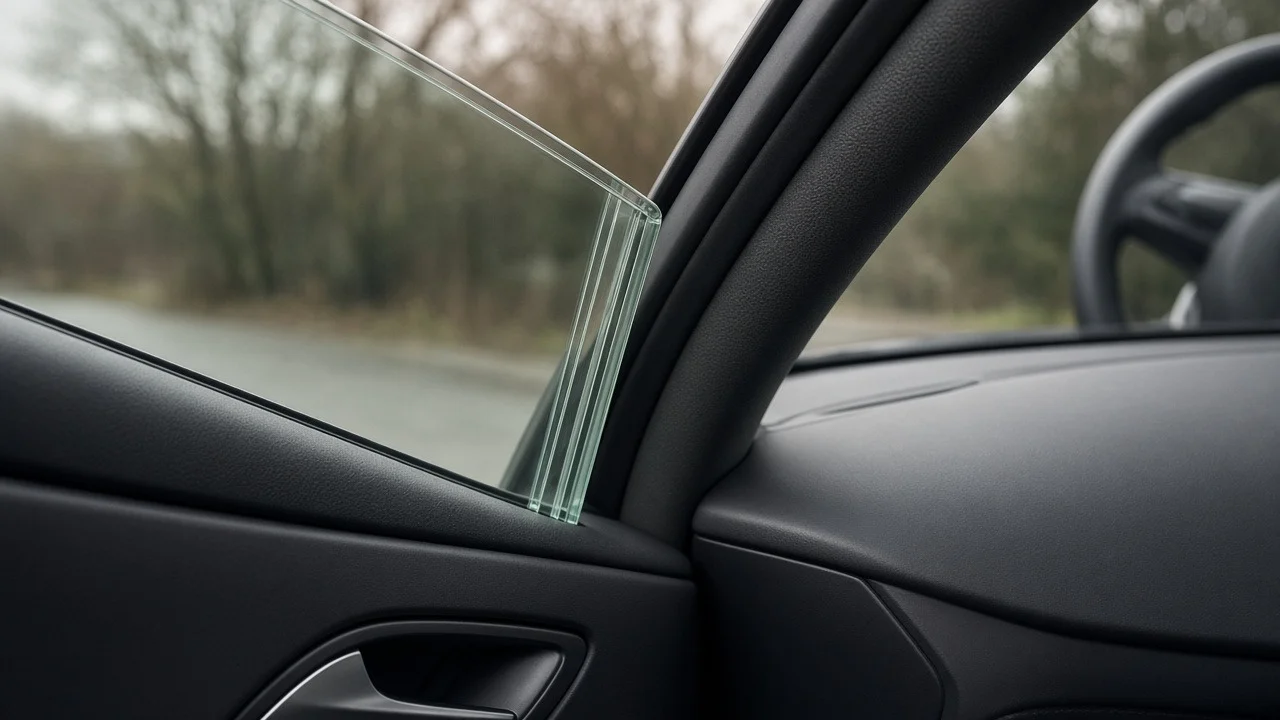
Acoustic glass in a car uses a specialized laminated construction to reduce the transmission of outside noise into the cabin. Rather than a single pane, this type of glazing sandwiches a sound-absorbing interlayer between layers of glass. The design helps control wind roar, traffic drone, and road noise while preserving the strength and visibility expected from automotive glazing. For drivers comparing different vehicles or considering replacement glass, understanding acoustic glass means looking beyond the familiar terms of tinting or heating to the physical layers that change how sound energy moves through the window.
Essential answer
Acoustic glass in a car is a laminated window construction engineered to damp sound more effectively than standard automotive glass. Its core difference is an internal layer, typically a viscoelastic or acoustic vinyl, placed between two glass sheets. That interlayer interrupts vibration before sound can pass fully into the occupant area. The principle is similar to how thicker, layered building windows work, but the automotive version is shaped to fit the vehicle’s sealing surface, mounting points, and visibility requirements while maintaining the safety properties of ordinary laminated windshields.
In practice, the term acoustic car glass may describe a windshield, side windows, or both, depending on how the model was specified. A glass specification that includes an acoustic interlayer changes the way high-frequency rushing sounds and lower-frequency road rumble are absorbed. It does not eliminate all noise, and real-world benefit depends on the vehicle’s overall body sealing, mirror shape, tire choice, and door fitment. Still, the essential distinction is structural: the interlayer works as a damping element, not merely as a thicker barrier.