2007 GMC Yukon Denali Camshaft Phaser
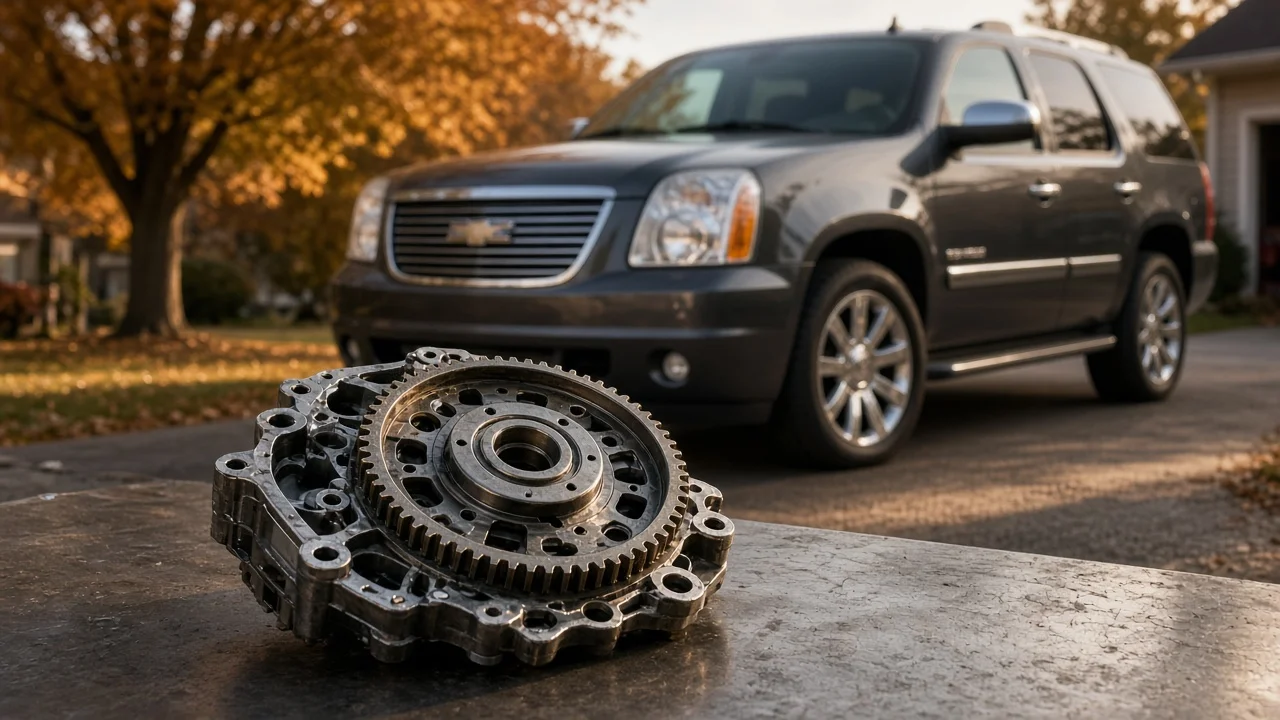
The 2007 GMC Yukon Denali camshaft phaser is a common search topic for owners of this full-size SUV, usually because the 6.2L V8 is making noise, running rough, or logging timing codes. This model year sits within a generation known for variable valve timing hardware that can wear, clog, or lose control authority. Understanding what the phaser does, why this powertrain configuration is sensitive to oil condition, and how a fault presents helps you interpret the symptom before replacing expensive parts.
Essential answer
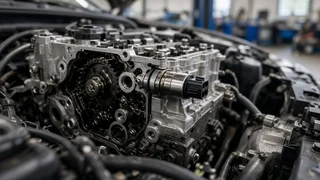
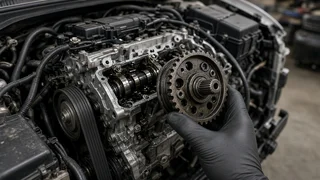
A camshaft phaser is a hydraulically actuated hub on the end of the camshaft that rotates the cam relative to its drive sprocket. On the 2007 Yukon Denali, the engine uses this mechanism to alter valve timing for better torque, idle quality, and emissions. The phaser receives pressurized oil through control solenoids, and the powertrain module commands a target position. When the actual position strays from the commanded angle, the computer stores a correlation or performance code. The part is therefore not a simple fixed gear, but an active component whose movement depends on clean, adequate oil pressure.
For this model year and trim level, the phaser question usually involves one of three situations: a rattling noise at startup, an illuminated check engine light with timing-related codes, or a rough idle after warm-up. Because the Denali's engine bay packages a high-output V8 in a heavy body style, the phaser works under substantial load and heat. A worn phaser can produce a brief cold-start rattle until oil pressure builds, while a stuck phaser can cause steady idle instability. Confirming which behavior is present matters, because the phaser and its control solenoid share symptoms that are easy to misattribute.