Why Does an Automatic Car Delay Engagement When Cold?
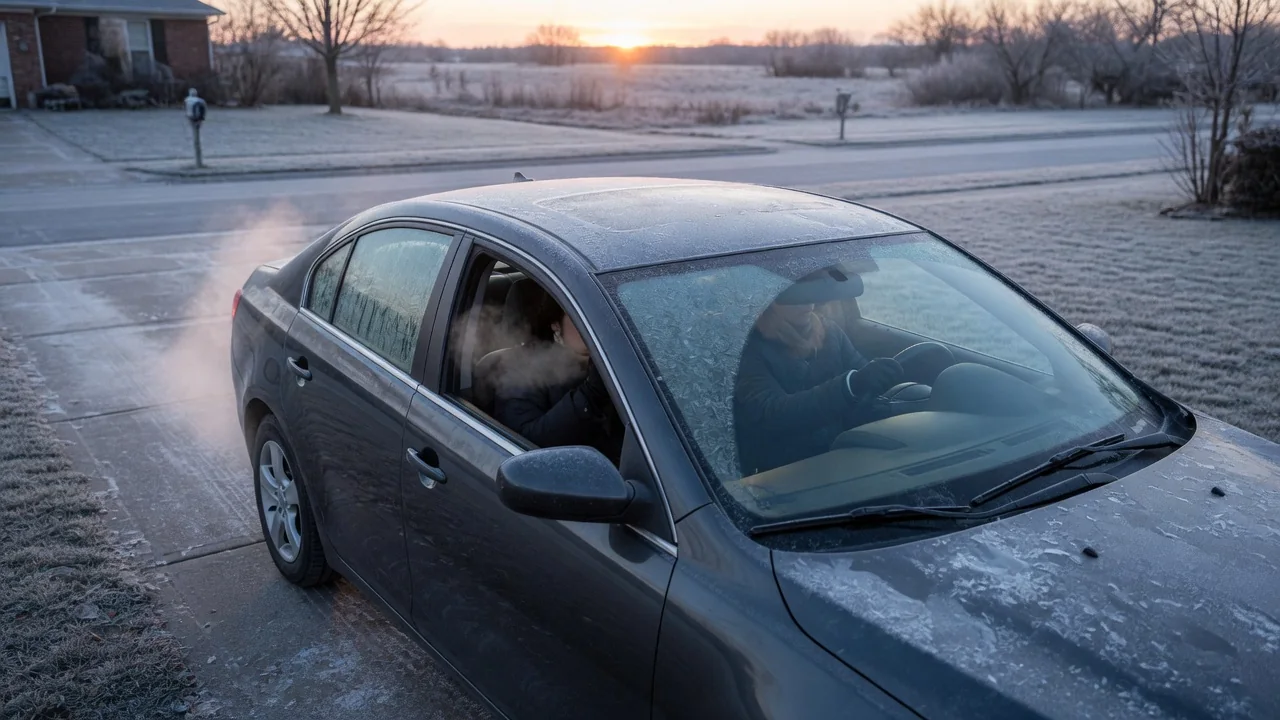
Many drivers notice that on a cold morning, moving the selector from Park to Drive or Reverse produces a short pause before the car takes up drive. In most cases, cold automatic gear engagement is slower because the transmission fluid is thicker and the hydraulic system needs more time to fill and pressurize the clutch that holds the gear. Below is how fluid flow, electronic control, and component condition combine to cause the delay, and how to tell a normal pause from a warning sign.
Fluid Flow: How Cold Transmission Fluid Slows Engagement
A conventional automatic transmission does not lock into Drive or Reverse mechanically. When you move the selector, a valve directs pressurized fluid to a clutch pack or band for that range. The fluid has to fill the apply circuit, push the piston across its clearance, and then build enough pressure to clamp the friction plates together. Only at that point does torque reach the wheels. The pressure comes from a pump driven by the engine, usually through the torque converter hub, so at idle the available flow is relatively modest.
Transmission fluid becomes considerably more viscous as its temperature falls. Thicker fluid moves more slowly through the filter, the narrow passages of the valve body, and the small calibrated orifices that meter how quickly a clutch fills. Those orifices exist to make engagement smooth, but when the fluid is cold they restrict flow even more, stretching the time between selecting a gear and feeling it engage. The pump also has to draw thick fluid through the pickup and filter, which can limit how quickly it delivers volume to the apply circuits.
Another factor is drainback. After a car sits, some fluid can drain out of the torque converter, cooler lines, and clutch apply circuits back into the pan. The first engagement of the day may therefore require refilling passages that were partly empty, and cold fluid makes that refill slower. Rubber and other elastomer seals also stiffen at low temperature, so they may not seal as effectively until they warm, allowing some apply pressure to escape.
Control: How the Transmission Manages Cold Engagement
In older, mostly hydraulic designs, engagement timing is governed by the valve body, springs, check balls, accumulators, and orifices. These parts are calibrated for a range of operating conditions, and cold, thick fluid simply shifts their behavior toward a slower and sometimes firmer engagement. Nothing actively compensates; the delay shrinks naturally as the fluid warms up.
Most modern automatics are electronically controlled. A transmission control module reads a fluid temperature sensor along with engine speed, throttle position, and other inputs, then commands solenoids that regulate line pressure and individual clutch apply pressures. For a garage shift, meaning a shift from Park or Neutral into Drive or Reverse, the module typically runs a fill phase that quickly charges the clutch, followed by a controlled pressure ramp that completes the engagement smoothly. Many systems adjust these phases according to fluid temperature, because a strategy tuned for warm fluid would behave differently with cold fluid.
Some control strategies deliberately favor smoothness over speed when the fluid is cold, accepting a slightly longer engagement to avoid a harsh clunk. Engine management plays a part as well: during a cold start, idle speed is often raised, and engaging a gear at elevated idle could feel abrupt, so engine and transmission controls may coordinate their timing. Many units also use adaptive learning, adjusting fill times as clutches wear. The exact strategy varies by design and manufacturer, so the length and feel of a normal cold delay differ from one vehicle to another.
Abnormal Delay: When Cold Engagement Points to a Problem
A normal cold delay is short, consistent from day to day, and fades as the transmission warms. Engagement should then be firm and free of slipping. A delay becomes suspicious when it grows noticeably longer over time, continues well after the car has warmed up, happens in only one range such as Reverse, ends with a hard clunk, or is accompanied by engine flare, slipping, unusual noise, a warning light, or a stored fault code.
Common causes of an abnormal delay relate to the same hydraulic path described above. A low fluid level can let the pump draw air, which reduces pressure and lengthens fill time. Old or incorrect fluid may not have the viscosity and friction characteristics the transmission was designed for. A restricted filter, a worn pump, or hardened and leaking seals can each reduce the pressure that reaches a clutch, and seal problems often show up most clearly when cold. Inside the unit, worn friction plates increase the distance a piston must travel, while a sticking valve or a failing pressure-control solenoid can disrupt the fill sequence.
On electronically controlled units, a faulty fluid temperature sensor or a wiring problem can cause the control module to use the wrong strategy, and adaptive values that have drifted out of range may produce delayed or harsh engagement. Because several different faults produce similar symptoms, a delay alone does not identify the cause. Diagnosis usually involves checking fluid level and condition by the correct procedure, reading fault codes, and, where needed, measuring hydraulic pressures or reviewing live data.
Practical Implications and Limits
For everyday driving, the practical approach is simple: after selecting Drive or Reverse on a cold start, keep your foot on the brake and wait until you feel the gear engage before pressing the accelerator. Applying throttle during a delayed engagement makes the clutch apply under load, which is harder on friction material and can produce a jolt. Revving the engine in Neutral and then selecting a gear has a similar effect and is best avoided. Gentle driving for the first few minutes reduces stress on the transmission while the fluid comes up to temperature.
Maintenance has a direct bearing on cold behavior. Use only the fluid type specified for the transmission and follow the service schedule in the owner's manual. Checking the level is not always straightforward: some transmissions have a dipstick that must be read at a specified temperature, while others have no dipstick and require a service procedure. Reading the level at the wrong temperature can give a misleading result in either direction.
There are limits to what general knowledge can tell you about a particular car. Engagement strategies, normal delay length, and fluid requirements are vehicle specific, and continuously variable and dual-clutch transmissions use different hardware, although they also depend on fluid condition and temperature-aware control. If you notice a change, record when it happens: outside temperature, which range is affected, roughly how long the delay lasts, and whether it persists once the car is warm. That record helps a technician separate a normal cold characteristic from a developing fault. Any delay accompanied by slipping, warning lights, or loss of drive warrants prompt inspection rather than waiting for it to worsen.