Why Do Some SUVs Have a Third Row? Capacity, Cargo and Access Explained
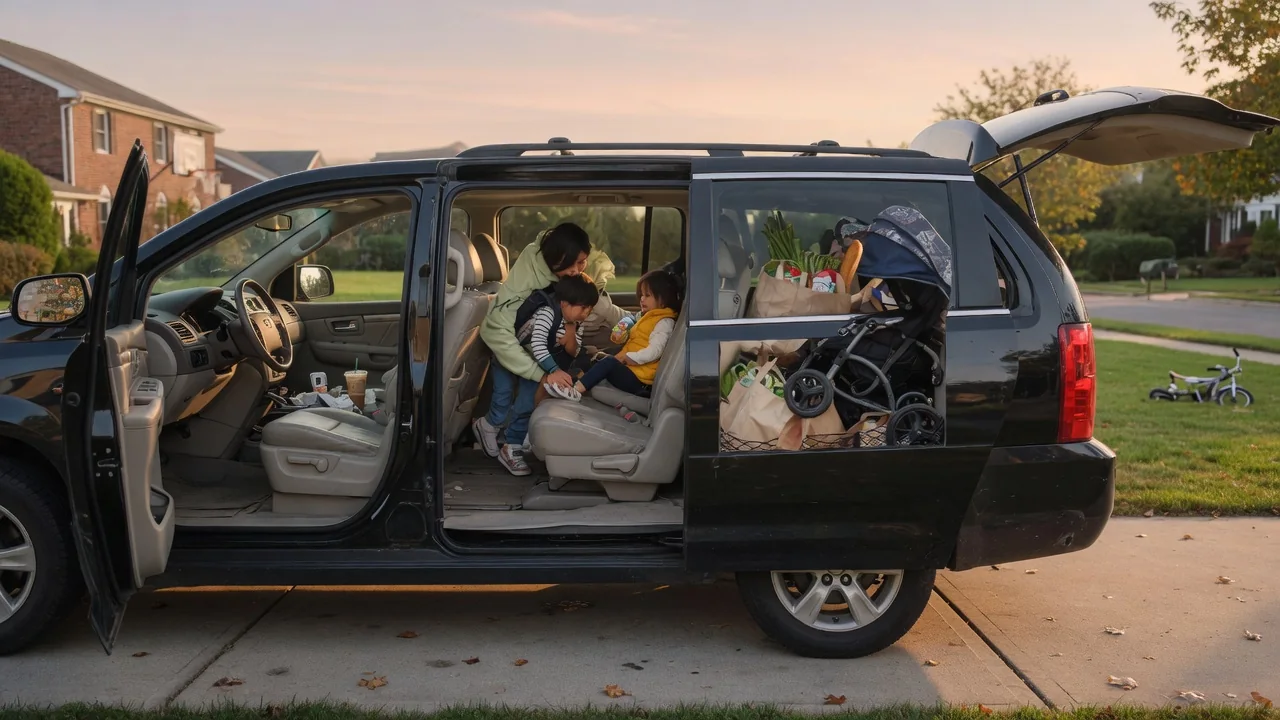
Some SUVs add a third row of seats so they can carry more people without moving up to a van or using a second vehicle. That extra row comes from deliberate packaging choices: a longer body, a rear floor shaped around seats, and second-row hardware that lets people climb past. Understanding three-row SUV packaging explains who benefits from the layout, what it costs in cargo space, and why reaching the back is rarely as easy as getting into the front.
Passenger capacity
The core reason is capacity. A two-row SUV typically seats five: two in front and three across the second row. Adding a third row raises that to seven or eight. The exact number depends on whether the second row is a three-person bench or a pair of individual captain's chairs, and on how many positions the third row has. For households with more than three children, families that regularly carry grandparents or friends, or anyone running carpools, those extra positions can be the difference between needing one vehicle and needing two.
The third row exists because the SUV body shape has room to host it. SUVs are tall and boxy compared with sedans, and three-row designs usually add length, often through a longer wheelbase, a longer rear overhang, or both, to create floor space behind the second row. Designers then arrange the rear floor, fuel tank, spare tire location and rear suspension around seat mounting points and footwells. That is why a third row is normally engineered from the start rather than added later: each seat needs secure anchorages, seat belts, head restraints and enough clearance under the roof.
Capacity on paper is not the same as comfort. Because the third row sits near the rear axle and close to the tailgate, legroom, headroom and cushion height are often more limited than in the rows ahead, which can leave occupants sitting with their knees raised. Many third rows suit children or shorter adults best, while larger SUVs may offer space that adults can tolerate on longer drives. The rated seating number tells you how many belted positions exist, not how comfortable each one will be.
Cargo tradeoff
Every seat behind the second row occupies space that would otherwise be cargo area. With the third row upright, the space left behind it is often shallow, sometimes enough only for grocery bags, a folded stroller or a few soft bags. This is the central compromise of three-row SUV packaging: the same floor area serves either people or luggage, and you rarely get the full benefit of both at once.
To manage that compromise, most third rows fold. Common designs fold the seatbacks flat into the floor, frequently as a split so one side can carry a passenger while the other holds cargo. Some vehicles use a recessed well behind the third row that adds depth when the seats are up and receives the folded seats when they are down. With the third row folded, many three-row SUVs provide a long, flat load floor, which is one reason owners who only occasionally need seven seats still choose them.
The tradeoff reaches beyond the cargo bay itself. Space for third-row footwells and folded seats can affect where the spare tire is stored, how much underfloor storage remains, and how high the load floor sits. Carrying a full load of passengers plus their luggage also adds weight, which counts against payload limits and, where applicable, towing capacity. The tire and loading label on the door jamb and the owner's manual list the specific limits for each vehicle.
Access
Getting into a third row means getting past the second row, and that is where much of the engineering effort goes. Typical solutions include second-row seats that slide forward, seatbacks that tilt forward, or seats that fold and tumble toward the front to open a wider path. Some mechanisms are designed to tip forward with a child seat still installed, but this varies by vehicle and by the type of child seat, so the owner's manual is the reference for what is allowed.
Captain's chairs in the second row change access in a different way. Instead of moving a seat, passengers can walk through the center aisle between the two chairs, which is often easier for older kids, though it reduces total seating by one compared with a bench. Rear door size, door opening angle, step-in height and grab handles also influence how easy it is to climb in, especially on SUVs with higher ground clearance.
Access matters on the way out as well. Third-row occupants usually depend on the second row moving, or on someone opening the tailgate, so it is worth learning how the release levers or straps work before carrying passengers back there. Seat belt routing, head restraint position and the location of any child-seat anchors in the third row differ between designs and should be checked rather than assumed.
Practical implications and limits
In daily ownership, the value of a third row depends on how often it is used and by whom. If the extra seats are filled every day, the recurring question is where strollers, sports gear and backpacks go when every position is occupied. If they are needed only occasionally, what matters more is how quickly the seats fold and return, whether the operation is manual or powered, and whether one person can do it with an armful of bags.
A third row does not turn an SUV into a van. Even well-packaged designs accept compromises in rear entry, luggage room with all seats up, and comfort in the last row. Owners who regularly carry several adults with full luggage may still need a larger body style or a roof-mounted carrier, while buyers who rarely use seven seats may find that a two-row SUV offers more usable cargo flexibility for everyday driving.
Before relying on a third row, try it with the people and gear you actually carry: climb in and out, install a child seat if you use one, fold the seats, and load a typical trip's luggage. Check the owner's manual for seating positions approved for child restraints, tether anchor locations and payload figures. Those details vary by vehicle, model year and trim, and they decide whether the third row is genuinely useful or just a number on the specification sheet.